HIGHLIGHTS
- Skyways officially launches Skyreach with customer flights now underway, marking the first commercial operations of its long-range eVTOL aircraft
- Extended flight range eliminates a critical barrier to eVTOL adoption, enabling regional air mobility routes beyond traditional urban point-to-point connections
- Regulatory approval and successful commercial operations establish new industry standards for safety, certification, and market viability in personal air mobility
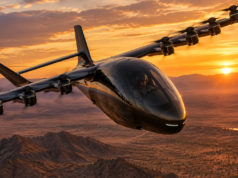
Skyways has officially launched Skyreach, its latest long-range electric vertical takeoff and landing (eVTOL) aircraft, marking a pivotal moment in the commercial personal air mobility industry. With customer flights now underway, Skyways is demonstrating that advanced eVTOL technology has matured beyond the prototype phase into reliable, revenue-generating operations. This launch represents a significant milestone not only for Skyways but for the entire ecosystem of urban and regional air transportation.
Skyreach: Engineering a New Generation of eVTOL Aircraft
The Skyreach aircraft embodies years of research, development, and iterative design improvements focused on extending flight range while maintaining safety and efficiency. Unlike earlier eVTOL prototypes that offered limited range capabilities, Skyreach has been engineered to serve longer routes that connect regional markets and suburban areas to urban hubs. This extended range capability opens new use cases for personal air mobility beyond traditional point-to-point city flights.
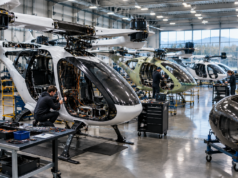
Skyways’ engineering team incorporated advanced battery technology, optimized aerodynamic design, and lightweight composite materials to achieve the performance metrics required for commercial operations. The aircraft has undergone rigorous testing protocols to meet regulatory standards set by aviation authorities, ensuring that safety remains paramount during customer operations. Each flight conducted so far has been meticulously documented to build the operational database necessary for scaling commercial services.
The technical achievement of Skyreach demonstrates that long-range eVTOL aircraft can be economically viable and operationally practical. This is a crucial breakthrough because range limitations have historically been one of the primary objections to eVTOL adoption in broader markets. By proving that extended-range flights are achievable, Skyways has effectively removed a significant barrier to mainstream adoption of personal air mobility solutions.
Commercial Operations: From Test Flights to Revenue Flights
The transition from development and testing to actual customer flights represents a fundamental shift in the eVTOL industry. Skyways’ decision to begin commercial operations with Skyreach indicates confidence in the aircraft’s reliability, safety systems, and customer readiness. This move also signals to investors, regulators, and competitors that the eVTOL market is entering a new phase characterized by operational maturity and revenue generation.
Customer flights are being conducted under established safety protocols and regulatory oversight, with trained pilots operating each mission. Early customers paying for Skyreach flights are likely composed of high-value passengers willing to pay premium prices for time savings and convenience. These initial commercial operations provide invaluable real-world data that will inform future improvements and help establish operational best practices across the industry.
The revenue model for Skyreach flights will likely follow the precedent set by other emerging mobility services: premium pricing during early adoption phases, with gradual cost reductions as operational efficiency improves and volume scales. This economic model has proven successful for ride-sharing services and other disruptive transportation technologies, and Skyways appears to be applying similar principles to personal air mobility.
Regulatory Approval and Safety Framework
Before Skyways could launch customer flights with Skyreach, the aircraft had to receive approval from relevant aviation regulatory authorities. This approval process involved extensive documentation, testing protocols, and certification reviews to ensure that the aircraft meets all safety requirements. The regulatory clearance for Skyreach demonstrates that aviation authorities are prepared to certify and oversee commercial eVTOL operations, a prerequisite for industry expansion.
The safety systems integrated into Skyreach include redundant flight controls, advanced avionics, emergency landing capabilities, and real-time monitoring systems. These features have been designed to exceed baseline aviation safety standards, reflecting Skyways’ commitment to passenger protection. The regulatory framework governing eVTOL operations is still evolving, but Skyreach’s approval establishes important precedents for how aircraft in this category will be evaluated and certified.
Continued regulatory engagement and safety data collection from customer flights will help refine standards for the entire industry. Skyways is effectively acting as a pioneer in establishing best practices and operational norms that other eVTOL manufacturers will likely follow. This leadership role in safety and regulatory compliance strengthens Skyways’ market position and builds customer confidence in the technology.
Market Impact and Competitive Implications
The launch of Skyreach with active customer flights intensifies competition within the eVTOL sector and accelerates the timeline for commercial air mobility services. Other manufacturers such as Joby Aviation, Lilium, and Archer are also advancing their own eVTOL programs, but Skyways has now achieved an important operational milestone that demonstrates commercial viability. This competitive pressure will drive innovation across the industry and encourage faster development cycles among rival companies.
Skyreach’s long-range capability specifically differentiates it from earlier eVTOL offerings and positions Skyways to capture market segments focused on regional connectivity. Airlines, airport operators, and regional transportation authorities may view Skyreach as a complementary service to traditional aviation, potentially leading to partnership opportunities. The aircraft’s performance characteristics could enable new business models that were previously unfeasible with limited-range eVTOLs.
Investment community interest in personal air mobility will likely intensify following Skyreach’s commercial launch. Successful customer flights generate positive momentum, attract additional funding, and validate the business case for eVTOL operators. For Skyways specifically, this operational success strengthens its negotiating position with investors, partners, and potential acquirers, while demonstrating to regulators that their approval decisions were justified.
Customer Experience and Market Adoption Challenges
While Skyreach represents significant technical achievement, widespread adoption of personal air mobility services will depend on customer experience factors beyond aircraft performance. Factors such as pricing, vertiport accessibility, booking convenience, and perceived safety will influence how quickly passengers embrace eVTOL flights. Skyways’ early customer experiences with Skyreach will generate critical feedback that shapes service refinements and market positioning strategies.
The premium pricing required during early commercial operations may limit initial adoption to affluent passengers and business travelers seeking time savings. Over time, as operational costs decrease and competition increases, pricing will become more accessible to broader market segments. Skyways’ challenge will be balancing revenue optimization during early stages with growth strategies that expand addressable markets and build customer loyalty.
Integration with existing transportation networks and urban planning frameworks remains essential for sustained growth. Skyreach flights will only achieve commercial viability if vertiports and landing infrastructure are strategically located, convenient, and properly regulated. Partnerships with cities, airports, and transportation operators will be critical for establishing the infrastructure ecosystem required to scale personal air mobility services beyond early adopter markets.
Key Takeaways from Skyreach Launch
- Skyways’ Skyreach aircraft has achieved regulatory approval and begun commercial customer flights, demonstrating that long-range eVTOL technology is operationally viable and revenue-ready
- Extended flight range capability of Skyreach addresses a fundamental limitation of previous eVTOL designs and enables new regional air mobility use cases beyond city-center routes
- Successful commercial operations establish important precedents for industry safety standards, regulatory frameworks, and competitive benchmarks that will accelerate overall eVTOL market maturation
The launch of Skyreach with active customer flights marks a watershed moment for personal air mobility. Skyways has transitioned from development and testing into commercial revenue operations, proving that advanced eVTOL aircraft can deliver reliable service to paying customers. As early customer flights accumulate operational data and positive user experiences, the entire industry moves closer to mainstream adoption. The success or challenges encountered during these initial Skyreach operations will likely influence how rapidly other manufacturers transition to commercial services and how regulators refine policies governing eVTOL operations. For the personal air mobility industry, this is no longer just a technology story—it is now a business story with real customers, real flights, and real market potential.