HIGHLIGHTS
- Air taxi market projected to reach USD 36.19 billion by 2035, representing significant growth from current valuations
- Multirotor eVTOL technology is the dominant segment, indicating market preference for proven, scalable designs
- Urban air mobility infrastructure investments accelerating as regulatory frameworks mature globally
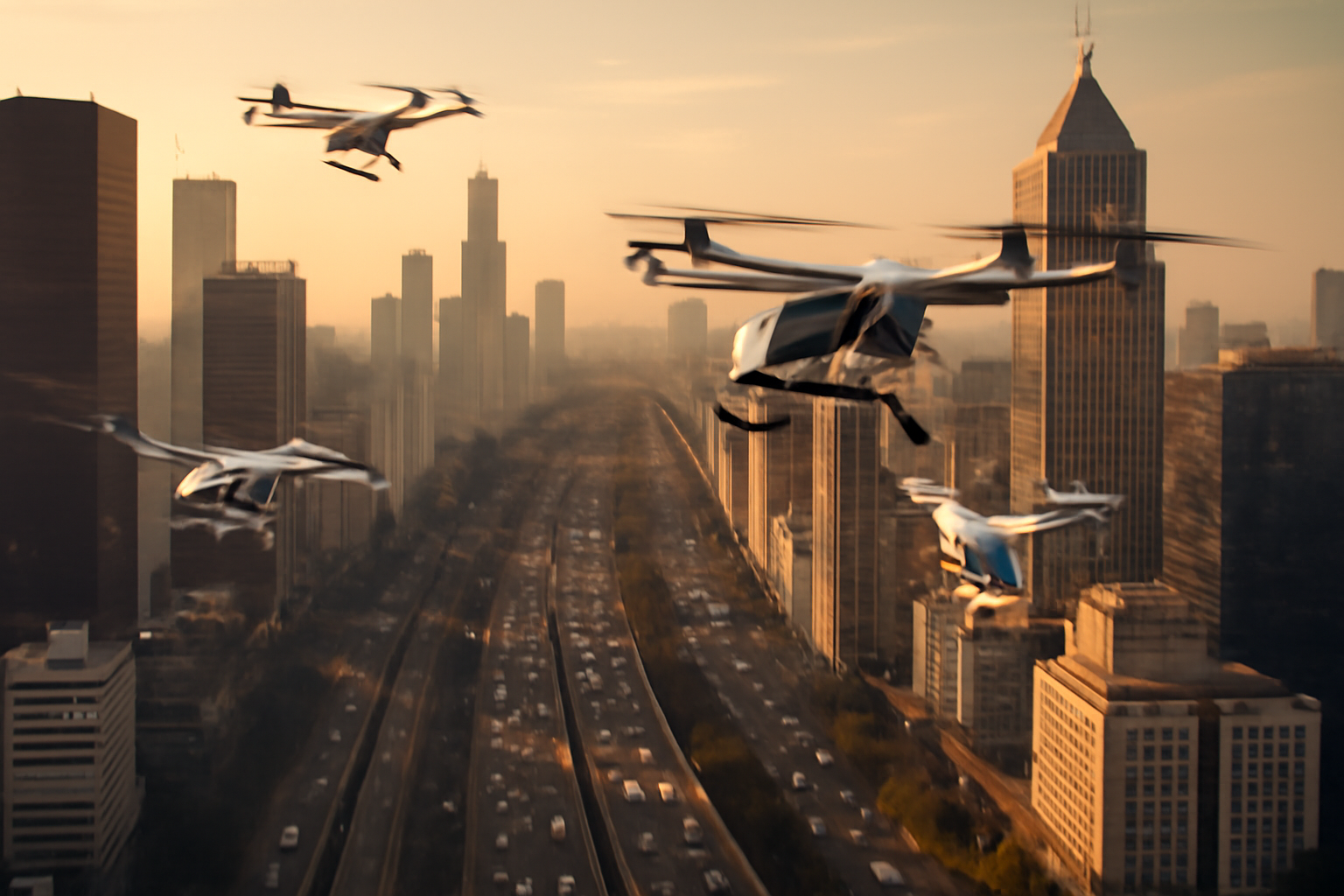
The air taxi industry is experiencing unprecedented growth momentum, with market analysts projecting the global air taxi market will reach a staggering USD 36.19 billion by 2035. This explosive expansion represents one of the most significant shifts in urban transportation since the introduction of the automobile, driven by technological breakthroughs, regulatory evolution, and massive venture capital investment. The latest market data reveals that multirotor eVTOL (electric vertical takeoff and landing) aircraft have emerged as the dominant technology segment, reshaping how investors, manufacturers, and policymakers approach personal air mobility solutions. This comprehensive analysis explores the market dynamics, growth catalysts, and competitive landscape shaping the future of air taxis.
Market Valuation and Growth Trajectory
The projected USD 36.19 billion valuation by 2035 represents exponential growth compared to the nascent air taxi market of today. Industry analysts attribute this acceleration to multiple converging factors, including reduced battery costs, maturing autonomous systems, and increased government support for urban air mobility infrastructure. The timeframe to 2035 provides manufacturers with a critical window to establish market presence, scale production, and build operational networks before the market reaches mainstream adoption.
Current market valuations demonstrate investor confidence in the sector’s viability. Major aerospace companies, startups, and transportation technology firms have collectively invested billions into eVTOL development programs. This capital influx is accelerating prototype testing, regulatory certifications, and pilot operational programs in major metropolitan areas worldwide. The financial trajectory reflects genuine market demand rather than speculative investment, as cities actively prepare infrastructure and regulatory frameworks for commercial air taxi operations.
Regional variations in market growth will play a crucial role in reaching the USD 36.19 billion target. Asia-Pacific markets, particularly China and Singapore, are expected to represent the largest segments due to urban density, favorable regulatory environments, and government backing. North American and European markets will contribute significantly through early-adopter programs in major cities like Los Angeles, New York, Paris, and London. Emerging markets in Latin America and the Middle East present untapped growth opportunities as urbanization accelerates and infrastructure investment increases.
Multirotor eVTOL Dominance
Multirotor eVTOL technology has established itself as the leading design architecture for commercial air taxi operations. Unlike tiltwing or compound helicopter designs, multirotor platforms offer superior hover stability, redundancy through distributed propulsion, and simpler certification pathways. The multirotor segment’s dominance reflects both technical advantages and market maturity, with multiple manufacturers achieving significant development milestones and progressing toward commercial certification.
The technical appeal of multirotor systems lies in their inherent safety features and scalability. Distributed electric motors provide inherent redundancy—if one motor fails, remaining motors can compensate and maintain controlled flight. This architecture addresses regulatory safety concerns more effectively than traditional aviation designs, accelerating certification processes. Additionally, multirotor platforms require less specialized pilot training and can operate from smaller vertiports, expanding deployment possibilities in constrained urban environments where traditional helicopters cannot operate efficiently.
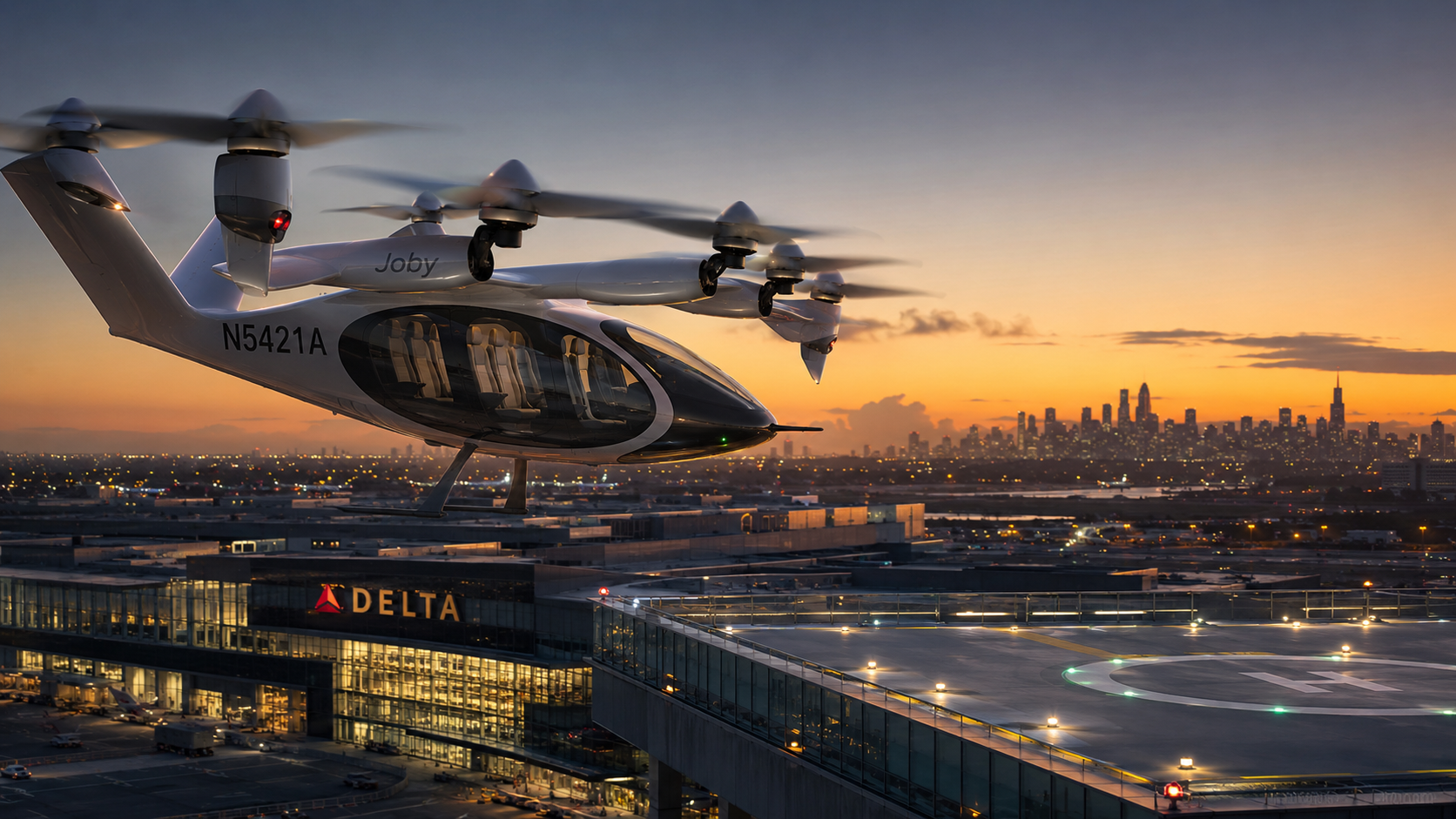
Leading manufacturers have committed substantial resources to multirotor development programs. Companies like Joby Aviation, Archer Aviation, and Lilium have designed multirotor platforms specifically optimized for air taxi operations, emphasizing passenger comfort, noise reduction, and operational efficiency. These manufacturers are conducting extensive flight testing campaigns and working closely with aviation regulators to establish certification standards. The multirotor segment’s market dominance is expected to strengthen as these platforms achieve commercial certification and begin revenue-generating operations in 2025 and beyond.
Regulatory Framework Evolution
Regulatory frameworks governing eVTOL operations have evolved dramatically, transforming from theoretical discussions to practical certification pathways. The FAA, EASA, and national aviation authorities in major markets have established or are actively developing special conditions and certification frameworks specifically designed for electric vertical aircraft. These regulatory efforts represent a fundamental shift in aviation authority approaches, recognizing that eVTOL operations require different safety standards than traditional fixed-wing or rotorcraft operations.
Successful regulatory navigation has become a critical competitive advantage in the air taxi market. Companies that secure early certifications can begin revenue operations and accumulate operational data, establishing market presence before competitors. The regulatory pathway typically involves demonstrating equivalent safety levels to conventional aircraft while accounting for novel technologies like distributed electric propulsion and advanced automation systems. Early certifications in progressive regulatory environments like Singapore, Australia, and Japan are providing templates that other nations are adopting and adapting.
The trend toward harmonized international standards is accelerating market growth prospects. As aviation authorities coordinate on certification approaches, manufacturers can design aircraft meeting multiple regulatory jurisdictions simultaneously, reducing development costs and accelerating time-to-market. This regulatory harmonization is particularly important for multirotor eVTOL platforms, which benefit from standardized design requirements and operational protocols. Progressive regulatory frameworks are directly contributing to the market’s trajectory toward USD 36.19 billion by 2035.
Infrastructure Investment and Vertiport Development
Urban air mobility cannot succeed without appropriate ground infrastructure, and cities worldwide are investing in vertiport development and air traffic management systems. Vertiports—specialized landing facilities for eVTOL aircraft—range from simple rooftop pads to sophisticated multi-story facilities with charging infrastructure, passenger amenities, and ground transportation connections. Major cities are designating specific vertiport locations, securing funding, and beginning construction on facilities intended to support commercial air taxi operations by 2025-2027.
The vertiport development boom reflects genuine market confidence in air taxi commercialization. Cities including New York, Los Angeles, London, Paris, and Singapore have announced specific vertiport projects with defined timelines and funding commitments. These infrastructure investments create network effects that accelerate air taxi adoption—once adequate vertiport infrastructure exists, end-user demand and service viability increase substantially. The infrastructure investment trend is a primary driver of the market’s projected growth toward USD 36.19 billion by 2035.
Air traffic management systems specifically designed for eVTOL operations are equally critical infrastructure components. NASA, EASA, and national airspace authorities are developing automated traffic management systems that can coordinate hundreds or thousands of simultaneous eVTOL flights in urban airspace. These systems leverage advanced automation, artificial intelligence, and real-time airspace monitoring to ensure safety while maximizing airspace utilization. Infrastructure investments in vertiports and air traffic management systems are progressing on schedule, supporting the market’s growth projections.
Environmental and Sustainability Impact
Electric vertical aircraft offer substantial environmental advantages compared to conventional ground transportation, directly supporting mainstream adoption and market growth. eVTOL operations produce zero direct emissions, significantly reducing urban air pollution and contributing to climate goals. When powered by renewable energy sources, air taxi operations can achieve near-zero lifecycle emissions, making them attractive to environmentally conscious municipalities and passengers. These sustainability benefits are driving policy support and investment in urban air mobility infrastructure across the globe.
The environmental narrative surrounding air taxis resonates particularly strongly in progressive markets prioritizing climate neutrality. Cities committed to carbon-neutral transportation systems view air taxis as essential components of future mobility ecosystems. Regulatory incentives, subsidies, and favorable policies in environmentally-focused jurisdictions are accelerating air taxi adoption and infrastructure development. The sustainability argument is a significant factor driving the USD 36.19 billion market projection by 2035, as municipalities prioritize emissions reduction in transportation.
Life-cycle sustainability analyses demonstrate that air taxis offer environmental advantages even when accounting for battery production, electricity generation, and vehicle manufacturing. Studies indicate that air taxis can reduce transportation emissions by 50-75% compared to conventional vehicles for point-to-point urban routes. These quantified environmental benefits are compelling policy makers and corporate fleets to adopt air taxi services, creating demand drivers that support market growth projections. The intersection of sustainability imperatives and air taxi functionality is a primary market growth factor heading toward 2035.
Key Market Drivers and Takeaways
- Battery technology improvements and cost reductions are directly enabling viable eVTOL operations, with battery prices declining 10-15% annually and expected to reach cost parity with conventional powerplants by 2030
- Venture capital investment exceeding $8 billion demonstrates strong investor confidence in market viability, with major aerospace and automotive companies establishing dedicated eVTOL business units
- First-mover cities implementing early pilot programs and infrastructure development are establishing operational templates that other municipalities are rapidly adopting and scaling
- Multirotor technology’s redundancy and safety characteristics are accelerating regulatory approval timelines compared to traditional rotorcraft certification processes
- Integration with existing transportation networks and ride-sharing platforms is enabling rapid customer adoption and revenue generation as services launch commercially
The air taxi market’s trajectory toward USD 36.19 billion by 2035 reflects genuine technological progress, regulatory maturation, and infrastructure investment converging to enable commercial urban air mobility. Multirotor eVTOL technology’s emergence as the dominant architecture provides manufacturers with proven design principles and accelerates time-to-certification. Early regulatory approvals, vertiport construction, and pilot operational programs in major global cities are creating the foundation for exponential market growth. Investment in battery technology, automation systems, and air traffic management infrastructure is progressively removing technical barriers to deployment. The air taxi market represents not merely a new transportation mode but a fundamental reimagining of urban mobility systems, with the USD 36.19 billion market size by 2035 reflecting the scale of this transformation. Cities, manufacturers, and investors positioned to capitalize on this shift are architecting the future of urban transportation.