HIGHLIGHTS
- Uber integrates Zipline’s autonomous drones into Eats delivery network, combining proven drone technology with massive platform reach for efficient last-mile logistics
- Partnership leverages expanding regulatory frameworks and BVLOS waivers to operate drone deliveries safely in urban and suburban markets
- Success of this collaboration validates commercial viability of autonomous drones and will likely accelerate similar partnerships across industries
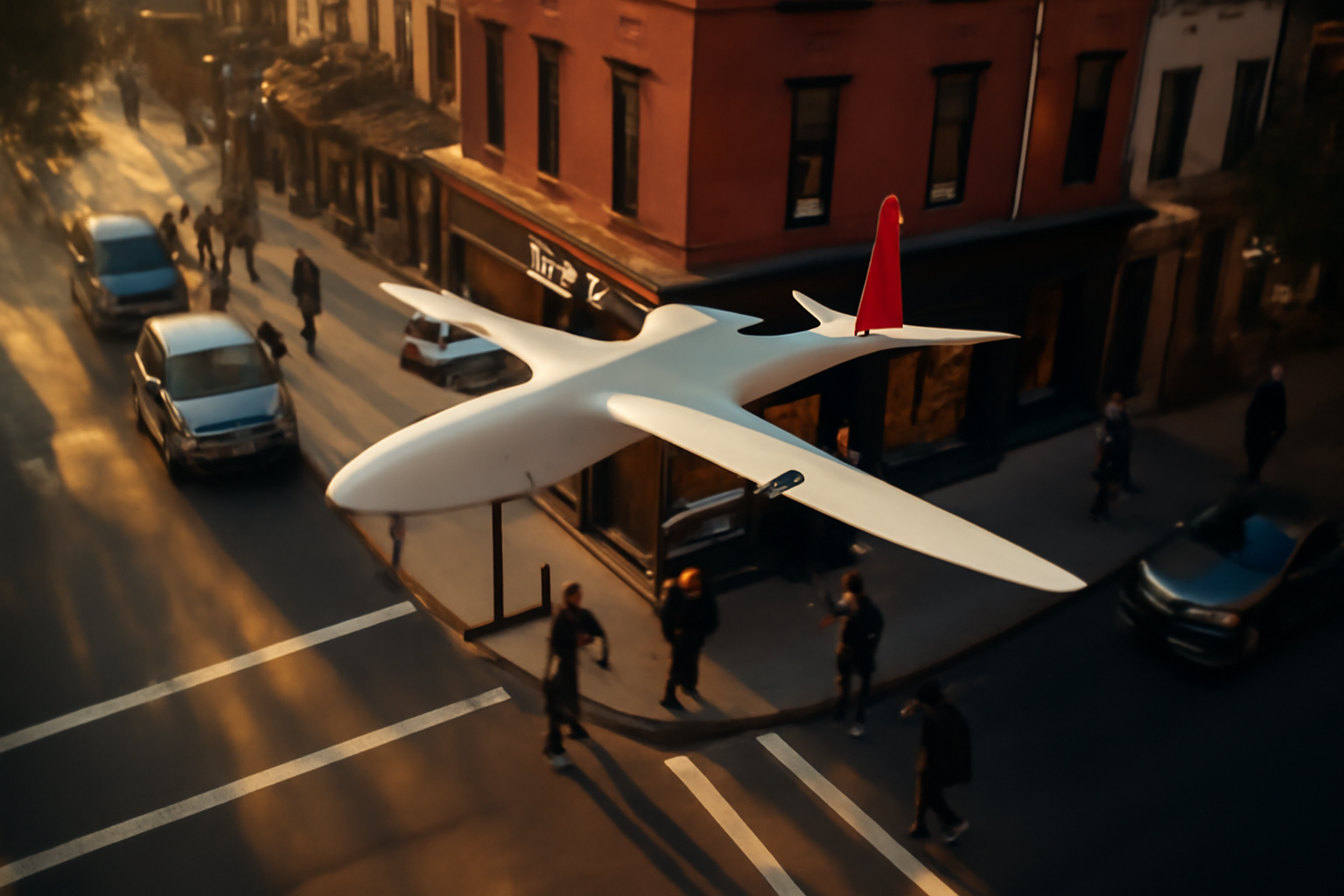
Uber is taking another major stride in revolutionizing last-mile delivery by integrating Zipline autonomous drones into its Eats delivery network. This strategic partnership marks a significant milestone in the evolution of personal air mobility and drone logistics, bringing aerial fulfillment to mainstream food delivery. The collaboration combines Uber’s expansive platform reach with Zipline’s proven autonomous drone technology, creating new possibilities for faster, more efficient delivery in urban and suburban markets.
Strategic Partnership Powers Uber’s Delivery Innovation
Uber’s decision to integrate Zipline drones into its Eats network represents a watershed moment for the delivery industry. Zipline has established itself as a global leader in autonomous drone logistics, with proven track records in healthcare supply chains and commercial delivery across multiple continents. This partnership allows Uber to leverage Zipline’s reliable technology while expanding its delivery capabilities beyond traditional ground-based methods.
The collaboration reflects Uber’s broader commitment to exploring emerging technologies that enhance customer experience and operational efficiency. By investing in drone delivery infrastructure, Uber positions itself ahead of competitors in the race to modernize logistics. Zipline’s expertise in regulatory compliance and autonomous flight operations reduces deployment risks, making this a pragmatic choice for a company operating at massive scale.
For Uber Eats restaurants and customers, this integration offers tangible benefits including reduced delivery times, expanded service areas, and access to premium fulfillment options. The drones can operate during peak hours when ground delivery becomes congested, providing a complementary service layer to traditional couriers. This hybrid approach maximizes efficiency while maintaining flexibility in demand management.
Zipline’s Autonomous Technology Powers Next-Generation Logistics
Zipline brings decades of autonomous drone expertise to this partnership. The company’s aircraft are purpose-built for payload delivery, equipped with advanced safety features, redundant systems, and proven reliability in complex airspace environments. Their drones operate with minimal human intervention, relying on sophisticated onboard sensors, AI-powered navigation, and real-time airspace awareness to execute deliveries safely and precisely.
The technology behind Zipline’s drones includes autonomous battery management, weather-adaptive flight planning, and remote monitoring capabilities. These systems ensure consistent performance across varying conditions, from urban corridors to suburban neighborhoods. Zipline’s infrastructure investments in distribution hubs and charging networks have already demonstrated scalability in healthcare logistics, providing a blueprint for rapid expansion into commercial delivery markets.
Security and data privacy are built into Zipline’s platform architecture. Their systems encrypt all flight data, isolate payload information from external networks, and maintain compliance with stringent regulatory frameworks across multiple jurisdictions. This focus on security makes Zipline an ideal technology partner for Uber Eats, where customer data protection and restaurant confidentiality are paramount.
Regulatory Pathway Accelerates Commercial Drone Adoption
The integration of Zipline drones into Uber Eats operates within evolving regulatory frameworks that have become increasingly drone-friendly. Zipline and Uber are working closely with aviation authorities to ensure all flights comply with local, state, and federal regulations. This proactive engagement with regulators demonstrates how industry leaders can shape sustainable rules that protect public safety while enabling innovation.
Recent regulatory developments, including expanded Beyond Visual Line of Sight (BVLOS) waivers and streamlined approval processes for drone operations in urban areas, provide a clearer pathway for commercial deployment. Uber and Zipline’s partnership will likely serve as a case study for future drone integration initiatives, influencing regulatory standards and best practices across the industry. Their approach prioritizes safety certification, noise mitigation, and airspace coordination—critical factors for public acceptance and regulatory approval.
As more jurisdictions recognize the benefits of drone delivery, this partnership will help establish industry standards and operational norms. Uber’s massive platform presence combined with Zipline’s regulatory expertise creates a template for scaled drone deployment that other logistics companies may seek to replicate. Success here translates to broader market acceptance and potential acceleration of regulatory modernization globally.
Market Implications and Future Expansion Potential
The Uber-Zipline partnership signals a major shift in how investors and stakeholders perceive drone delivery viability. Beyond food delivery, this collaboration opens doors to pharmaceutical logistics, retail fulfillment, and enterprise supply chain applications. Zipline’s existing infrastructure, combined with Uber’s customer base and brand trust, creates a formidable competitive advantage in the emerging aerial logistics market.
For the personal air mobility ecosystem, this development validates the commercial potential of autonomous drones in urban delivery networks. It demonstrates that drones are transitioning from experimental proof-of-concepts to revenue-generating operational systems. Competitors in the eVTOL and drone space will likely accelerate their own commercial partnerships and deployments in response to Uber’s market leadership move.
Long-term implications include potential workforce transformation in logistics, changing real estate requirements for fulfillment centers, and reimagined urban planning around air corridors. The success of this partnership could trigger investment rounds in complementary technologies—from airspace management software to autonomous charging infrastructure. Stakeholders should monitor this initiative as a bellwether for mainstream adoption of aerial delivery solutions.
Key Takeaways
- Uber integrates Zipline’s proven autonomous drones into Eats, combining platform scale with proven drone technology for faster, more efficient delivery.
- Regulatory compliance and proven safety records position this partnership as a sustainable, scalable model for urban drone logistics operations.
- Success here accelerates mainstream adoption of aerial delivery and validates commercial viability of autonomous drones in last-mile logistics markets.
Uber’s investment in Zipline drones represents a critical inflection point for personal air mobility commercialization. By bringing drones into mainstream food delivery, Uber and Zipline are not only improving customer experiences but also demonstrating that autonomous aerial systems can operate safely and efficiently at scale. This partnership will likely inspire a wave of similar collaborations across industries, accelerating the transition from drone concept to drone reality in commercial logistics networks worldwide.