HIGHLIGHTS
- US Army funds Elroy Air’s hybrid-electric cargo eVTOL enhancements, validating electric aircraft for demanding military logistics missions with longer range and higher payloads than pure battery designs.
- Military deployment establishes regulatory precedents and safety standards that will accelerate FAA certification for commercial cargo eVTOL variants across the civilian sector.
- Hybrid-electric cargo eVTOLs reduce operational fuel consumption and maintenance costs while enabling vertical takeoff/landing in remote areas without prepared runways, transforming military and commercial supply chains.
The US Army has announced significant funding for Elroy Air, a leading Santa Cruz-based startup, to expand and enhance its hybrid-electric cargo eVTOL (electric vertical takeoff and landing) aircraft. This strategic investment marks a pivotal moment in military aerospace modernization and demonstrates growing confidence in electric aircraft for demanding logistics operations. The partnership between the Department of Defense and Elroy Air signals a shift toward sustainable, efficient cargo transport solutions that could transform how the military moves supplies and equipment across challenging terrain and into remote operational areas.
Elroy Air’s Hybrid Cargo Platform: Technical Innovation
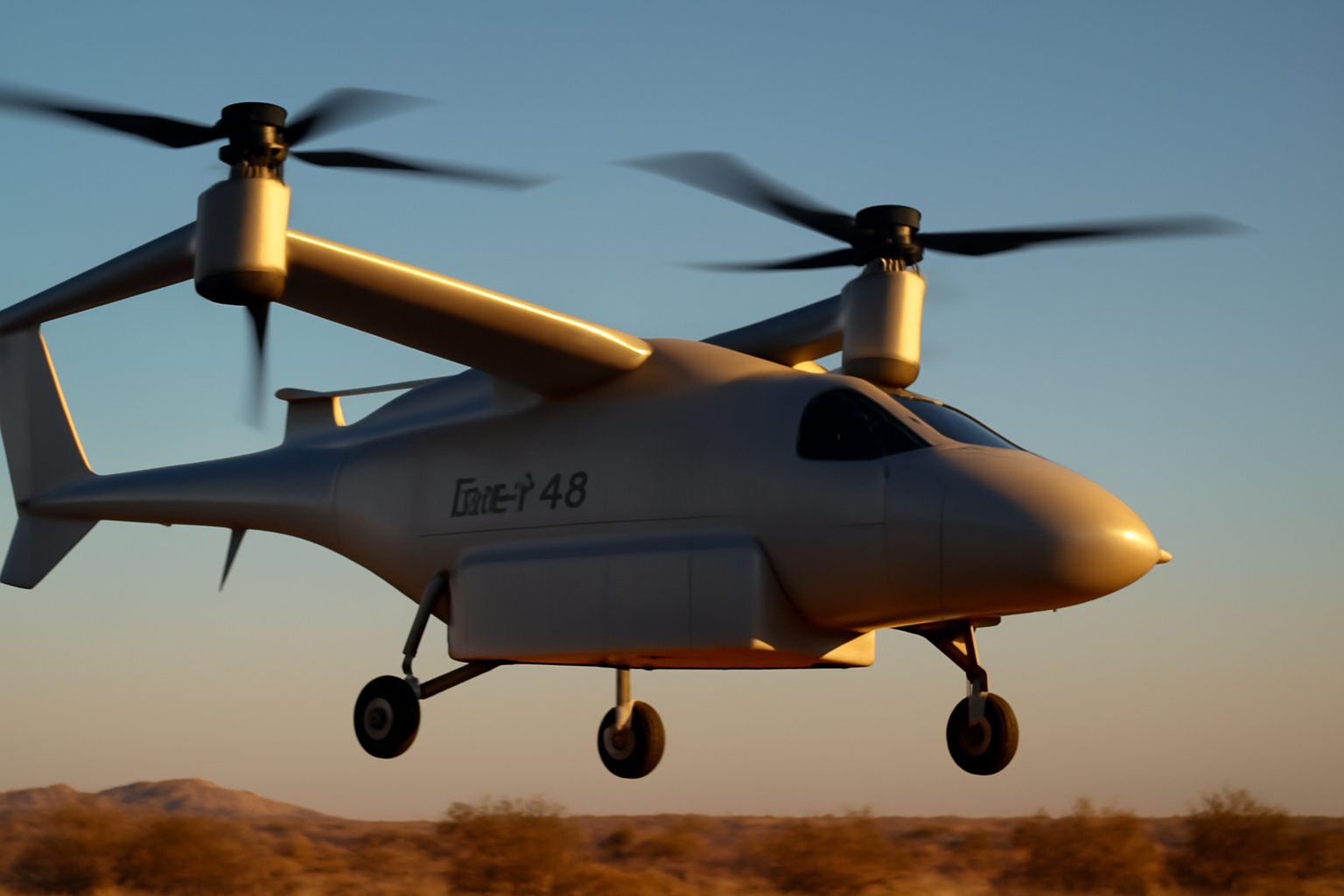
Elroy Air has developed a distinctly practical approach to cargo eVTOLs by leveraging hybrid-electric propulsion technology rather than pure battery-electric systems. This hybrid configuration allows the aircraft to achieve longer ranges and heavier payload capacities compared to fully electric competitors, making it ideal for military supply missions that demand both distance coverage and cargo volume. The aircraft’s design prioritizes functionality over flashy aesthetics, focusing on real-world operational requirements that military planners value.
The aircraft’s hybrid-electric engine system combines traditional fuel-burning components with electric motors and battery banks, optimizing efficiency across various flight phases. This architecture enables the Elroy Air cargo vehicle to carry significant payloads—potentially several hundred pounds—over distances that would be impossible for battery-only designs. The engineering approach reflects a pragmatic understanding that the transition to electric aviation must accommodate existing military logistics networks and operational constraints.
The enhancements funded by the US Army will likely focus on improving reliability, payload capacity, and operational flexibility. These upgrades could include advanced battery management systems, improved combustion engine efficiency, avionics integration for military communications, and structural reinforcements for rugged field operations. Such improvements position the Elroy Air platform as a credible alternative to traditional helicopter-based cargo operations for specific mission profiles.
Military Logistics: A New Era of Speed and Sustainability
Military logistics operations traditionally rely on rotorcraft and fixed-wing aircraft, both of which consume significant fuel and require extensive ground infrastructure. Hybrid cargo eVTOLs like Elroy Air’s offering could dramatically reduce these operational burdens. The ability to land vertically without prepared runways means supplies can reach distributed forward positions, remote bases, and emergency zones far more quickly than conventional methods. This speed advantage translates directly to improved operational effectiveness and reduced risk to personnel.
The sustainability angle resonates strongly with modern military strategy. The US Department of Defense has committed to reducing its carbon footprint and improving energy efficiency across all branches. Hybrid-electric aircraft consume less fossil fuel while generating zero-emission hover capabilities, aligning perfectly with these strategic objectives. As the military tests and validates eVTOL operations in real-world conditions, lessons learned will accelerate adoption across other government agencies and commercial operators.
Beyond environmental benefits, hybrid cargo eVTOLs promise significant cost savings over time. Reduced fuel consumption, lower maintenance requirements compared to traditional helicopters, and elimination of runway construction and maintenance expenses create compelling financial arguments. When multiplied across thousands of military sorties annually, these per-flight cost reductions could free resources for other critical defense priorities.
Commercial Implications and Market Expansion
Military funding for Elroy Air’s technology carries substantial commercial implications. Defense Department validation of hybrid-electric cargo aircraft accelerates the path to Federal Aviation Administration (FAA) certification and regulatory approval. As military operations accumulate flight hours and operational data, these metrics become invaluable for establishing safety standards and operational procedures that commercial operators will eventually adopt. The credibility generated by military endorsement also influences investor confidence and customer interest across the commercial air cargo sector.
The cargo eVTOL market represents one of the most commercially viable segments within the personal air mobility industry. Unlike passenger vehicles—which face strict safety regulations and public acceptance challenges—cargo aircraft operate in more controlled environments and with less regulatory scrutiny. Companies like Elroy Air are well-positioned to capture market share in this niche, serving delivery services, emergency response organizations, and logistics companies seeking faster, more flexible transportation options.
This US Army partnership could trigger a competitive response from other eVTOL manufacturers and helicopter companies. Established aerospace firms might accelerate their own electric aircraft programs, while traditional logistics providers may seek partnerships with eVTOL startups. The market dynamics created by military investment could expand the entire ecosystem, bringing multiple competitors and solution providers online within the next few years.
Regulatory Pathway and Future Development
Military aircraft programs typically operate under different regulatory frameworks than commercial aviation, but the FAA closely monitors innovations emerging from defense projects. Lessons learned from Elroy Air’s military evaluations will inform special airworthiness certificates and operational limitations for commercial cargo eVTOLs. The funding announced by the US Army effectively positions the Army as an early validator of technology that commercial operators will eventually adopt in modified forms.
The development timeline for hybrid cargo eVTOLs remains ambitious but achievable. With military funding supporting accelerated testing and refinement, Elroy Air could reach commercial delivery capabilities within several years rather than a decade. This timeline compression benefits the entire industry by reducing the waiting period before cargo operations become a routine part of daily logistics networks.
Future enhancements may include autonomous or remote-piloted operations, which would further reduce pilot requirements and expand mission capabilities into dangerous or inaccessible areas. Integration with military command and control systems could enable coordinated swarm operations, where multiple cargo eVTOLs execute complex supply missions simultaneously. These advanced capabilities remain on the development horizon but become increasingly feasible as hybrid-electric propulsion matures and proves its reliability.
Key Takeaways for the Industry
- Military funding validates hybrid-electric cargo eVTOLs as practical solutions for demanding logistics operations, accelerating commercial adoption timelines.
- Elroy Air’s technology reduces operational costs while supporting defense sustainability goals, creating compelling ROI across multiple military and commercial use cases.
- Successful military deployment of cargo eVTOLs will establish regulatory precedents and safety standards that enable faster FAA certification for commercial variants.
The US Army’s investment in Elroy Air’s hybrid cargo eVTOL represents far more than a single military procurement decision. It signals recognition that electric aviation technology has matured sufficiently to handle real-world operational demands, starting with cargo missions where reliability and payload capacity matter more than passenger comfort. As the military validates and refines these aircraft over the coming years, commercial operators will inherit proven designs, established safety procedures, and regulatory frameworks that accelerate mainstream adoption. This partnership exemplifies how government investment in emerging technologies can create positive feedback loops that benefit the broader economy while advancing critical national interests. The convergence of military logistics requirements and commercial air cargo demand positions Elroy Air and similar companies at the forefront of the next transportation revolution.