
HIGHLIGHTS
- BETA Technologies begins FAA-monitored test flights in Texas, advancing electric cargo aircraft toward commercial certification and deployment.
- The FAA’s testing framework is establishing standardized protocols for eVTOL operations, creating industry-wide certification benchmarks that will accelerate development across multiple manufacturers.
- BETA’s cargo-focused approach positions the company for earlier commercial deployment than passenger-focused competitors, potentially reshaping regional logistics within 3-5 years.
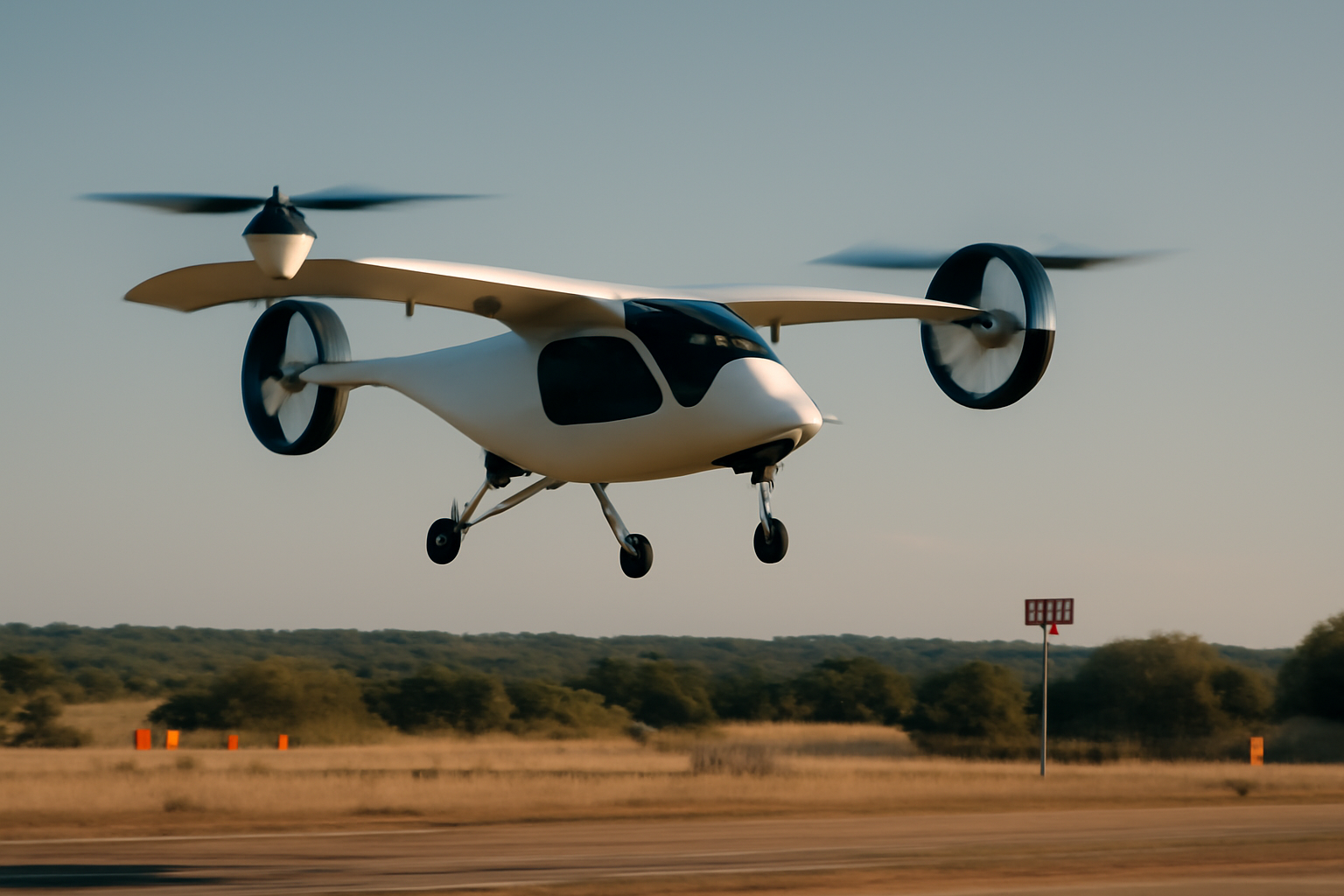
In a major advancement for the electric vertical takeoff and landing (eVTOL) industry, BETA Technologies has commenced test flight operations in Texas under FAA oversight. This marks a critical step toward bringing electric aircraft to commercial operations and demonstrates the regulatory framework’s evolution as manufacturers push toward certification milestones.
BETA Technologies Advances Electric Aviation Roadmap
BETA Technologies, a leading developer of electric aircraft for cargo and passenger transport, has begun executing its comprehensive test flight program in Texas. The initiative represents one of the most significant real-world validation efforts for electric vertical takeoff platforms to date, with operations conducted under direct FAA monitoring and regulatory guidance.
The Texas location was strategically selected to support BETA’s development timeline and access to specialized testing infrastructure. By conducting operations in a state with established aerospace facilities and favorable regulatory conditions, BETA can execute the iterative testing necessary to gather performance data, validate safety systems, and demonstrate compliance with emerging certification standards.
These test flights serve as a bridge between laboratory simulations and the eventual commercial deployment that industry experts predict could begin within the next few years. BETA’s commitment to working transparently with the FAA sets a precedent for how manufacturers can collaborate with regulators during the certification process.
FAA’s Expanding eVTOL Testing Framework
The Federal Aviation Administration’s decision to oversee BETA’s Texas program reflects the agency’s proactive approach to establishing safe testing protocols for emerging aircraft categories. As more manufacturers reach the flight testing phase, the FAA is building institutional knowledge and developing standardized evaluation criteria that will streamline future certification efforts.
This broader FAA testing framework addresses several critical areas: structural integrity under electric propulsion loads, battery system performance in various atmospheric conditions, flight control responsiveness, and emergency procedures for urban and regional airspace. By validating these systems through real-world testing rather than relying solely on simulations, regulators gain confidence in the technology’s readiness.
The Texas program also provides valuable data for establishing operational procedures, maintenance requirements, and pilot training standards—essential components of any eventual certification pathway. As BETA completes its testing phases, the insights gained will inform how the FAA approaches certification for other eVTOL developers, creating industry-wide standards that benefit all stakeholders.
Strategic Implications for Commercial eVTOL Deployment
BETA’s Texas test flights underscore the industry’s transition from theoretical possibility to practical demonstration. The company’s focus on electric cargo aircraft addresses a significant market gap, as regional delivery and logistics operations could represent the first commercially viable use cases for eVTOL technology, even before passenger operations become widespread.
By achieving successful testing milestones in Texas, BETA strengthens its position among eVTOL competitors and reinforces investor confidence in its technology platform. The company’s ability to work effectively with the FAA also demonstrates the regulatory pathway for other manufacturers, potentially accelerating the overall timeline for commercial operations industry-wide.
The visibility of these test flights also shapes public perception and policy discussions around air mobility. Successful, transparent testing programs help overcome skepticism about electric aircraft viability and safety, creating a more favorable environment for local and regional adoption of eVTOL services in the coming years.
Competitive Landscape and Industry Acceleration
BETA’s Texas initiative places the company at the forefront of real-world eVTOL validation. While other developers like Joby Aviation, Archer Aviation, and Lilium continue their own certification paths, BETA’s cargo-focused approach creates differentiation that could open faster market entry opportunities. Cargo operations face fewer regulatory complexities than passenger flights, potentially enabling earlier commercial deployment.
The success of BETA’s testing program could catalyze similar initiatives by competing manufacturers, triggering an acceleration of the overall industry timeline. As multiple companies reach flight testing simultaneously, the ecosystem of infrastructure, supply chain partners, and regulatory expertise develops more rapidly, benefiting all participants.
Industry observers view BETA’s Texas program as evidence that the eVTOL sector is moving beyond speculative timelines toward measurable progress. Each successful testing phase and regulatory milestone reduces technical uncertainty and builds the foundation for the commercial operations that could reshape regional transportation within the next 3-5 years.
Key Takeaways from BETA’s Texas eVTOL Program
- BETA Technologies has initiated FAA-monitored test flights in Texas, representing a critical validation phase for electric cargo aircraft development and commercial deployment timelines.
- The FAA’s expanding testing framework for eVTOL operations is establishing standardized protocols for structural integrity, battery systems, flight control, and emergency procedures that will inform industry-wide certification standards.
- BETA’s cargo-focused electric aircraft approach may enable earlier commercial deployment compared to passenger eVTOL platforms, positioning the company competitively while accelerating broader industry adoption timelines.
BETA Technologies’ Texas test flight program represents a watershed moment for the eVTOL industry. By transitioning from development facilities to real-world validation under FAA oversight, BETA is proving that electric aircraft technology can be safely tested, regulated, and eventually deployed commercially. The regulatory pathways being established through this program will serve as templates for the entire industry, potentially unlocking commercial operations for multiple manufacturers within the next few years. As test flights continue and performance data accumulates, the vision of electric air mobility shifting from futuristic concept to everyday regional transportation becomes increasingly tangible.