HIGHLIGHTS
- Vertical’s CEO responds to investor pressures by highlighting real technological milestones and engineering achievements that validate capital deployed to date.
- Evolving FAA certification frameworks create uncertainty and extended timelines for all eVTOL developers, positioning financial strain as an industry-wide challenge rather than company-specific failure.
- Strategic partnerships and focus on high-value initial markets (air taxi, emergency transport) create near-term revenue pathways that could alleviate financial pressure before broad-scale commercialization.
The eVTOL industry is facing a critical juncture as financial pressures intensify across the sector. Vertical, a prominent player in the personal air mobility space, is navigating these challenges head-on. The company’s CEO recently stepped into the spotlight to defend Vertical’s technological progress and strategic vision, even as investors and stakeholders question the timeline and viability of widespread commercial operations. This moment reflects broader tensions within the emerging electric aviation industry between ambitious innovation goals and harsh market realities.
Industry-Wide Financial Headwinds Challenge eVTOL Developers
The eVTOL sector has experienced significant financial strain as venture capital becomes more selective and traditional aviation investors demand concrete proof of concept before committing resources. Many startups that entered the space with generous funding rounds now face extended development timelines and escalating costs. The promised revolution in urban air mobility requires not just innovative aircraft design, but also regulatory certification, infrastructure development, and market adoption—each phase requiring substantial capital investment.
Vertical’s situation exemplifies these industry-wide pressures. Rising development costs, extended certification timelines, and competition from well-funded rivals have created a complex operating environment. The company must balance aggressive innovation with fiscal responsibility while managing stakeholder expectations. This balancing act has become increasingly difficult as venture capital markets have tightened and investor appetite for speculative aerospace ventures has diminished.
The financial stress is not unique to Vertical; it reflects a sector-wide reckoning. Companies like Lilium, Archer, and others have all faced significant headwinds. What distinguishes Vertical’s response is the proactive CEO commentary defending the company’s trajectory, signaling confidence in both the technology and eventual market opportunity despite near-term financial challenges.
Vertical’s Technological Achievements and Development Milestones
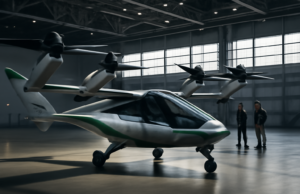
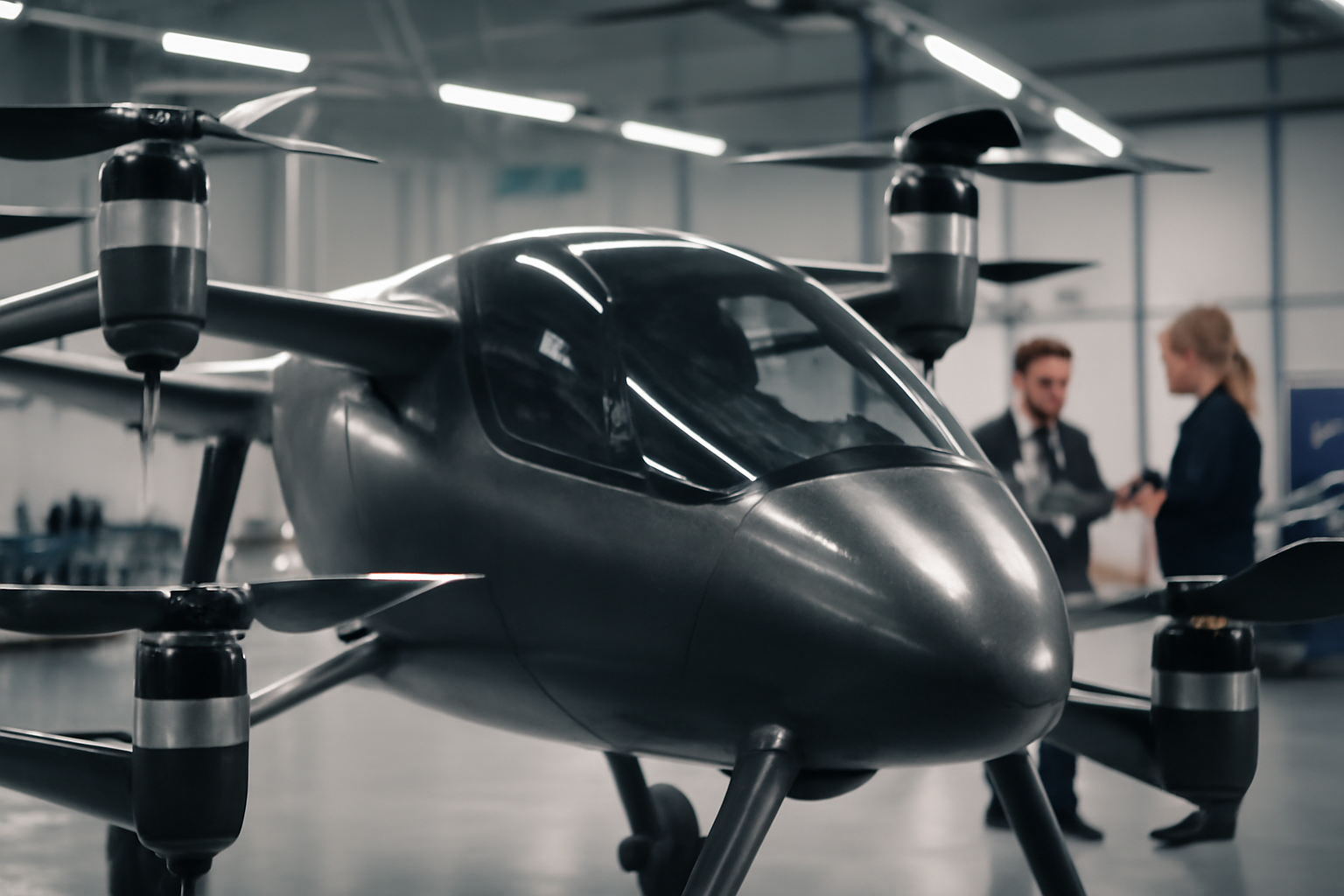
Despite financial constraints, Vertical continues to advance its core technology platform. The company has made meaningful progress in aircraft design, propulsion systems, and operational protocols. Recent testing and validation efforts have demonstrated key capabilities that position Vertical competitively within the eVTOL landscape. These technical achievements provide a foundation for the CEO’s defense of company progress and validate investments made to date.
The company’s development roadmap includes multiple prototype iterations and rigorous testing regimens designed to meet increasingly stringent regulatory requirements. Vertical has emphasized investment in areas critical to commercial viability: battery technology integration, autonomous flight systems, and noise reduction measures. Each of these domains represents complex engineering challenges that the company is methodically addressing.
The CEO’s recent comments highlight specific technical milestones reached and performance benchmarks achieved. These tangible accomplishments serve as evidence that investor capital has translated into genuine technological progress, even as the path to certification and commercialization remains longer than initially anticipated. By anchoring the narrative in concrete engineering achievements, Vertical reinforces investor confidence in its fundamental competence.
Regulatory Pathways and Certification Timelines Under Scrutiny
One of the primary drivers of financial pressure is uncertainty around regulatory certification timelines. Aviation authorities worldwide are still developing comprehensive certification frameworks for electric vertical takeoff and landing aircraft. This regulatory ambiguity extends development costs and delays revenue generation, straining company finances and investor patience. Vertical, like other eVTOL operators, must navigate these evolving regulatory requirements while maintaining financial viability.
The Federal Aviation Administration (FAA) in the United States and corresponding authorities globally are establishing precedents for eVTOL certification. These processes are inherently time-consuming, involving extensive documentation, testing protocols, and safety demonstrations. The lack of established precedent means each company essentially pioneers certification approaches, incurring substantial costs in the process.
Vertical’s CEO defense must address regulatory realities while maintaining stakeholder confidence. The company is actively engaging with regulatory bodies and contributing to industry-wide certification standard development. By positioning Vertical as a responsible partner in this regulatory evolution, the CEO frames financial pressures as industry-wide challenges rather than company-specific failures. This narrative helps maintain investor support during a prolonged commercialization phase.
Market Demand and Commercialization Strategy Going Forward
The long-term business case for personal air mobility remains compelling, even as near-term challenges mount. Market research continues to suggest significant demand for urban air mobility services in major metropolitan areas, particularly for time-sensitive applications and premium passenger segments. Vertical’s commercialization strategy targets these high-value use cases as initial revenue drivers before scaling to broader markets.
The company’s financial strategy hinges on demonstrating viable commercial operations at scale. Early revenue generation from targeted markets—such as air taxi services in congested urban corridors or emergency medical transport—could provide the cash flow needed to support continued development and scale production. Vertical’s CEO commentary likely emphasizes the magnitude of these eventual opportunities to justify continued stakeholder support during the capital-intensive development phase.
Vertical is also exploring strategic partnerships with operators, infrastructure providers, and technology integrators who can accelerate commercialization. These partnerships distribute risk and leverage existing capabilities, potentially extending runway and improving path to profitability. The CEO’s defense presumably includes discussion of these strategic initiatives and partnerships as evidence of tangible progress toward commercial viability.
Key Takeaways: What Vertical’s CEO Defense Reveals
- Vertical demonstrates genuine technological progress through validated engineering milestones, justifying investor confidence despite extended development timelines and rising costs.
- Regulatory certification uncertainty remains a primary financial pressure across the eVTOL industry, with companies navigating evolving FAA frameworks that extend commercialization timelines.
- Strategic partnerships and focus on high-value initial markets position Vertical for eventual commercial viability, supporting CEO narrative that near-term financial pressures reflect industry-wide challenges rather than fundamental business model failures.
Vertical’s CEO defense against mounting financial pressures represents a crucial moment for the company and the broader eVTOL industry. The response demonstrates that technological progress continues despite fiscal challenges, regulatory frameworks are advancing, and commercialization pathways are taking shape. As the personal air mobility sector matures, companies like Vertical that can maintain investor confidence through transparent communication and demonstrated technical achievement are best positioned to navigate the capital-intensive development phase ahead. The coming months and years will reveal whether this optimism is justified and whether eVTOL technology can deliver on its transformative promise.