
HIGHLIGHTS
- American-made Alia CTOL secured a $2 million electric aviation project in Scotland, marking a significant win for domestic eVTOL manufacturers in European markets.
- The CTOL platform’s conventional takeoff and landing capabilities address practical aviation infrastructure needs without requiring specialized vertiports.
- Scotland’s investment in electric aviation aligns with broader UK and EU sustainability commitments to decarbonize regional air transport by 2030.
American-made electric aircraft manufacturer Alia has achieved a major milestone by securing a $2 million electric aviation project in Scotland. The selection of Alia’s CTOL (Conventional Takeoff and Landing) platform represents a significant validation of the company’s innovative approach to sustainable regional aviation and signals growing European confidence in American eVTOL technology. This project underscores the global momentum building around electric propulsion systems and the critical role that versatile aircraft designs play in accelerating the transition to carbon-neutral air mobility.
What Makes the Alia CTOL a Game-Changer for Regional Aviation
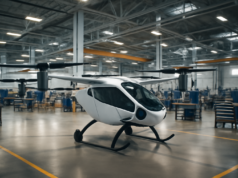
The Alia CTOL stands apart from traditional vertical takeoff and landing (VTOL) aircraft by utilizing conventional runway-based operations. This design philosophy eliminates the need for expensive vertiport infrastructure and allows regional airports to integrate electric aircraft into existing operations with minimal modifications. Rather than requiring purpose-built landing pads, the CTOL can utilize grass strips, concrete runways, and existing airfields across Scotland’s diverse geography, democratizing access to electric aviation technology across rural and urban regions alike.
Unlike pure eVTOL designs that demand specialized, high-cost infrastructure, the CTOL’s runway-independent operational model reduces deployment barriers and accelerates market adoption. The aircraft can operate from facilities that have been serving general aviation and regional services for decades, making the transition to electric propulsion significantly more economically viable for operators. This flexibility has resonated strongly with regional aviation stakeholders in Scotland, where infrastructure constraints and geographic dispersion historically limited air service options.
The CTOL’s electric propulsion system delivers meaningful emissions reductions while maintaining the range and payload capacity required for practical commercial operations. By combining zero-emissions battery-electric power with practical runway-based operations, Alia has created a bridge between current aviation infrastructure and future sustainable transportation networks. This balanced approach appeals to investors, regulators, and operators seeking tangible near-term solutions rather than speculative long-term technologies.
Scotland’s Strategic Investment in Electric Aviation Leadership
Scotland’s selection of the Alia CTOL for this $2 million project reflects the nation’s commitment to positioning itself as a leader in the global electric aviation revolution. The Scottish government and regional partners recognized that early-stage investment in proven American technology could accelerate the country’s decarbonization timeline while generating economic value through aircraft operations, maintenance, and supply chain development. This forward-thinking approach demonstrates how public-private partnerships can bridge the gap between research and commercial deployment.
The project aligns with Scotland’s broader net-zero aviation goals and broader UK sustainability mandates that require significant emissions reductions by 2030. By investing in operational electric aircraft today, Scottish operators gain competitive advantage and market intelligence that positions them as innovation leaders within the European aviation sector. Regional airports in Glasgow, Edinburgh, and beyond can leverage this project to attract additional electric aviation initiatives and establish supply chain partnerships with emerging manufacturers.
Scotland’s geographic characteristics—dispersed population centers, challenging terrain, and existing regional aviation infrastructure—make it an ideal testbed for Alia CTOL operations. The project will generate real-world performance data, operational insights, and regulatory validation that extend far beyond Scotland’s borders. European aviation authorities and regional operators across the continent will closely monitor this initiative as evidence supporting certification pathways and operational procedures for electric aircraft integration.
Market Implications for American eVTOL Manufacturers
Alia’s successful project award in Scotland demonstrates that American electric aircraft manufacturers can compete effectively in European markets despite increasing competition from regional manufacturers and established aerospace giants. The $2 million contract represents not merely a transaction but strategic validation that American innovation in electric propulsion and aircraft design delivers tangible advantages that international customers recognize and value. As European eVTOL development accelerates, American companies maintaining technological leadership will capture disproportionate market share in emerging sustainable aviation segments.
This contract win carries strategic significance for the broader American eVTOL ecosystem. Alia’s success in Scotland establishes a precedent for transatlantic electric aviation partnerships and demonstrates to other European governments and operators that proven American platforms offer reliable pathways to decarbonization objectives. Future procurement decisions across the UK, EU member states, and adjacent markets will reference Alia’s project success as evidence of American technological superiority and operational reliability in electric aviation applications.
The project also reinforces investor confidence in the American eVTOL sector at a critical juncture. Despite capital market challenges and extended certification timelines, proven customer demand and international commercial validation remain catalysts for funding, partnership, and accelerated development cycles. Companies like Alia that achieve tangible contract wins position themselves attractively for downstream financing, strategic partnerships, and eventual path to profitability.
Regulatory Pathways and Future Certification Opportunities
Successful deployment of the Alia CTOL in Scotland will generate regulatory precedent and operational data essential for broader European aviation market access. Engagement with Scottish aviation authorities, UK Civil Aviation Authority oversight, and eventual European Union Aviation Safety Agency (EASA) coordination will establish baseline standards and approval frameworks that accelerate certification timelines for subsequent electric aircraft deployments. Regulatory bodies benefit from real-world operational data that informs evidence-based policy development rather than theoretical modeling alone.
The project creates opportunities for Alia to demonstrate compliance with existing aviation safety frameworks while identifying regulatory gaps requiring clarification or new guidance. Collaborative engagement between manufacturers, operators, and regulators during early deployment phases ensures that certification pathways remain proportionate to risk profiles while supporting innovation objectives. Scotland’s project thus serves as a proving ground not merely for aircraft technology but for the regulatory infrastructure supporting electric aviation’s long-term sustainability.
Successful regulatory navigation in Scotland and the UK positions Alia favorably for EASA approval processes critical to accessing continental European markets. The company can reference Scottish operational data, regulatory coordination, and safety records when submitting applications for European airspace access. This sequential regulatory strategy—building credentials through initial deployments before pursuing broader market access—represents proven best practice among eVTOL manufacturers seeking sustainable, defensible market expansion.
Key Takeaways: Alia CTOL in Scotland
- Alia’s CTOL platform eliminates expensive vertiport requirements by operating from conventional runways, making electric aviation economically accessible to regional operators across Scotland and beyond.
- The $2 million Scottish project validates American eVTOL technology competitiveness in European markets and establishes regulatory precedent supporting broader EASA certification timelines.
- Scotland’s investment demonstrates how strategic public-private partnerships in electric aviation create competitive advantages while generating operational data and supply chain development within regional economies.
The Alia CTOL’s selection for Scotland’s $2 million electric aviation project marks a pivotal moment for American eVTOL manufacturers and European sustainable aviation goals. By demonstrating that conventional runway-based electric aircraft can deliver meaningful emissions reductions while requiring minimal infrastructure modifications, Alia has validated a pragmatic pathway to decarbonizing regional air transport. As European aviation increasingly prioritizes net-zero objectives and regulatory frameworks evolve to support electric propulsion, successful projects like Scotland’s will accelerate industry-wide transition timelines and establish American technology providers as essential partners in the global electric aviation revolution. The coming months will reveal whether this Scottish investment catalyzes broader European adoption of CTOL platforms and American eVTOL innovation.