HIGHLIGHTS
- Procurement specialists are now on the frontlines of securing rare earth elements critical to EV drone battery and motor systems.
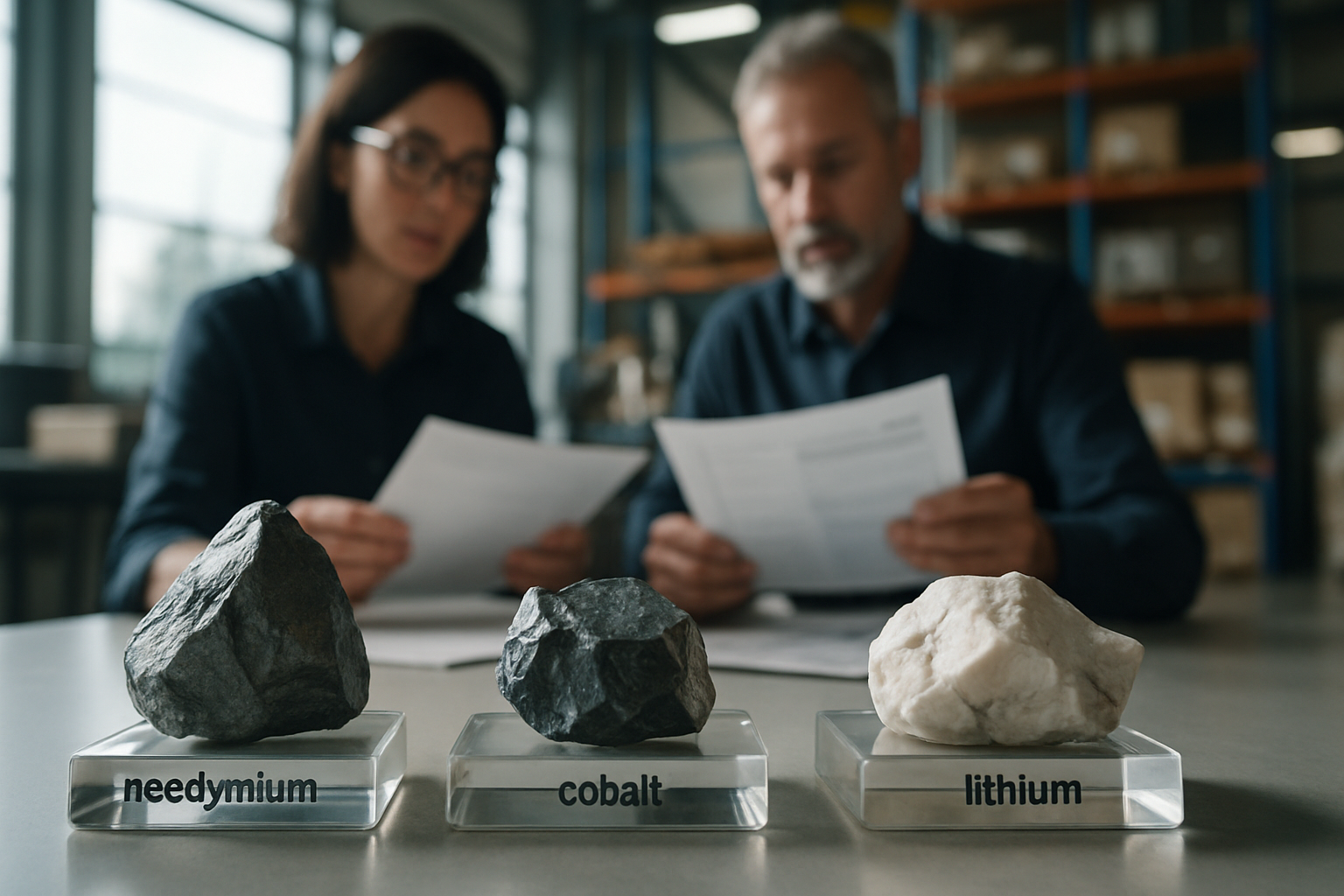
- Defense applications of advanced EV drones depend heavily on stable sourcing of cobalt, lithium, and neodymium from geopolitically diverse suppliers.
- Critical mineral supply chain resilience has become a strategic priority for military and commercial drone manufacturers competing in the advanced air mobility sector.
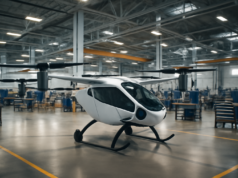
The rapid expansion of electric vehicle drone technology, particularly in defense and military applications, has created an unexpected employment frontier: procurement specialists focused on securing rare earth elements and critical minerals. As the personal air mobility (PAM) industry accelerates, supply chain professionals have emerged as the true gatekeepers of innovation, tasked with navigating geopolitical complexities and material scarcity to keep manufacturers competitive.
The Hidden Backbone of EV Drone Manufacturing
Electric vertical takeoff and landing (eVTOL) drones and unmanned aerial systems require sophisticated battery chemistries and high-performance electric motors that are fundamentally dependent on rare earth elements. Lithium for energy density, cobalt for thermal stability, nickel for capacity, and neodymium for permanent magnet motors all represent critical inputs that manufacturers cannot easily substitute or stockpile indefinitely. These materials must flow continuously from mining operations, through processing facilities, into manufacturing plants, and ultimately into finished aircraft systems destined for military and commercial operators.
The supply chain for these materials is fragmented globally, with significant concentrations in countries facing geopolitical tensions, trade restrictions, and environmental regulations that vary dramatically. For drone manufacturers—especially those serving defense contractors—the ability to secure consistent supplies of these materials directly impacts production timelines, unit costs, and ultimately the competitiveness of their products in an increasingly crowded market.
Procurement professionals have become the essential interface between raw material markets and engineering teams. They must understand not only pricing and availability but also regulatory compliance, environmental certifications, ethical sourcing standards, and supply chain resilience metrics that ensure uninterrupted production even during global disruptions.
Geopolitical Risk Management in the Supply Chain
China’s dominant position in rare earth element processing—controlling approximately 70-80% of global refining capacity—has made procurement risk assessment a top priority for Western drone manufacturers and their defense clients. A single trade restriction, export ban, or geopolitical incident can cascade through supply networks, creating production bottlenecks that ripple across the entire EV drone ecosystem. Procurement specialists must now evaluate not just material costs but geopolitical risk scores, alternative sourcing strategies, and inventory buffers that can absorb supply shocks.
Defense applications add another layer of complexity. The U.S. Department of Defense and allied military branches increasingly require supply chain transparency, domestic sourcing preferences, and conflict-free mineral certifications that commercial drone operators may not face. Procurement teams working with defense contractors must navigate these stringent requirements while maintaining cost competitiveness and production schedules that cannot afford delays.
This has led to a strategic pivot across the industry: companies are investing in long-term supplier relationships, diversifying sourcing geography, developing secondary supply agreements, and even exploring recycling programs to reduce dependence on virgin material extraction. Procurement professionals are leading these initiatives, making strategic decisions that shape the future of PAM technology.
Workforce Evolution and Career Opportunities
The increasing sophistication of supply chain challenges has transformed procurement from a traditional administrative role into a highly technical, strategic career path within aerospace and drone manufacturing. Modern procurement specialists require expertise in materials science, geopolitical analysis, regulatory compliance, sustainability metrics, and advanced data analytics to optimize sourcing decisions across complex global networks.
Companies are aggressively recruiting professionals with backgrounds in metallurgy, international trade, supply chain logistics, and even intelligence analysis. The compensation packages for skilled procurement experts in the EV drone sector now rival those of engineering roles, reflecting the critical importance of these positions to organizational success. Entry-level positions require supply chain certifications, while senior roles demand deep industry knowledge and executive-level decision-making authority.
Universities and trade organizations have recognized this shift, developing new curricula focused on critical mineral supply chains, geopolitical risk assessment, and sustainable sourcing practices. Professional certifications in supply chain management increasingly include modules on emerging technology sectors, with EV drones and advanced air mobility featured prominently as high-growth industries where procurement expertise is in urgent demand.
Strategic Sourcing and Long-Term Sustainability
Beyond immediate supply security, procurement leaders are championing sustainability initiatives that address environmental and ethical concerns while simultaneously improving supply chain resilience. Recycling programs for end-of-life drone batteries can recover valuable lithium, cobalt, and nickel, reducing dependence on virgin mining while creating a circular economy within the PAM sector. Procurement teams are evaluating recyclers, establishing collection networks, and calculating the cost-benefit of closed-loop material flows.
Ethical sourcing has become a compliance requirement, not merely a corporate responsibility initiative. Conflict-free mineral certifications, labor standard audits, and environmental impact assessments are now mandatory for suppliers entering defense-oriented supply chains. Procurement professionals must verify these credentials, conduct on-site audits, and maintain documentation that satisfies both regulatory authorities and corporate sustainability commitments.
Forward-thinking companies are also exploring alternative material science to reduce or eliminate critical mineral dependencies. Procurement teams work closely with research and development divisions to evaluate next-generation battery chemistries, alternative motor designs, and novel manufacturing processes that could decouple EV drone performance from rare earth scarcity. These projects require procurement experts who understand not just current markets but emerging technologies and their material implications.
Key Takeaways: Critical Minerals and EV Drone Supply Chains
- Procurement roles have become strategic leadership positions essential to EV drone manufacturer competitiveness and defense contract fulfillment.
- Geopolitical concentration of rare earth processing and critical mineral mining creates ongoing supply chain vulnerabilities that require sophisticated risk management strategies.
- Sustainability, ethical sourcing, and circular economy initiatives are reshaping procurement priorities while simultaneously improving long-term supply resilience.
The EV drone revolution depends fundamentally on the ability to secure critical minerals and rare earth elements from volatile global markets. Procurement professionals have stepped into the spotlight as the essential link between raw material sources and advanced aerospace manufacturing. As the personal air mobility sector continues its explosive growth trajectory—projected to represent a multi-hundred-billion-dollar industry within the decade—the strategic importance of supply chain expertise will only intensify. Companies that invest in world-class procurement capabilities, develop supplier diversity strategies, and implement sustainable sourcing practices will secure competitive advantages that transcend product features or technological specifications. For career-minded professionals, procurement in the EV drone and advanced air mobility sectors represents a rare opportunity to make strategic business decisions with geopolitical significance, technological impact, and direct influence on national security interests.