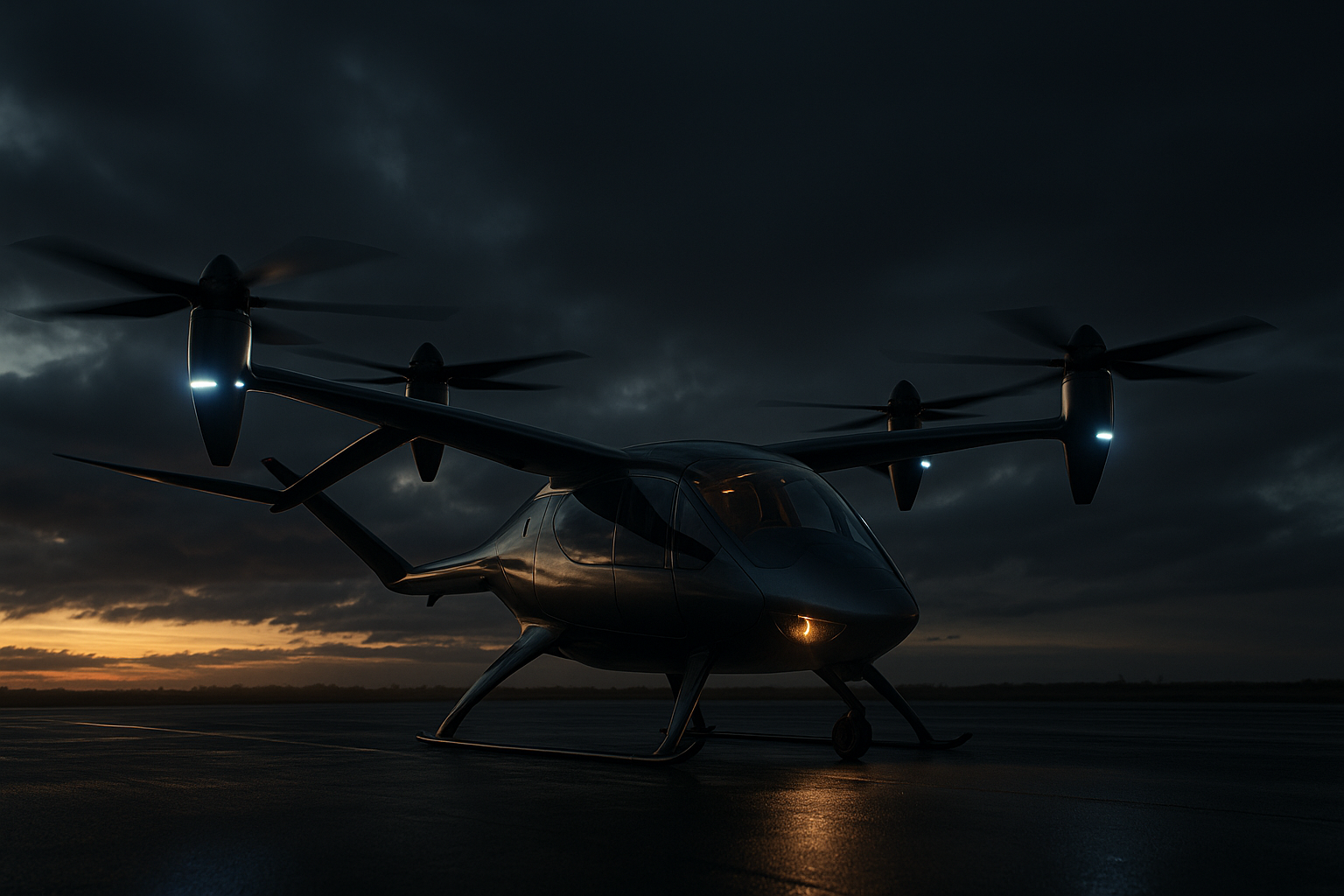
The personal air mobility sector is experiencing a transformative moment as Vertical Aerospace announces groundbreaking plans to integrate autonomous capabilities into their Valo eVTOL aircraft. This development marks a significant milestone in the evolution of electric vertical takeoff and landing vehicles, bringing us closer to the reality of fully autonomous urban air mobility. The integration of autonomy with hybrid-electric propulsion represents a dual advancement that could reshape how we think about short-distance urban transportation.
The Valo eVTOL Platform: Engineering Excellence Meets Innovation
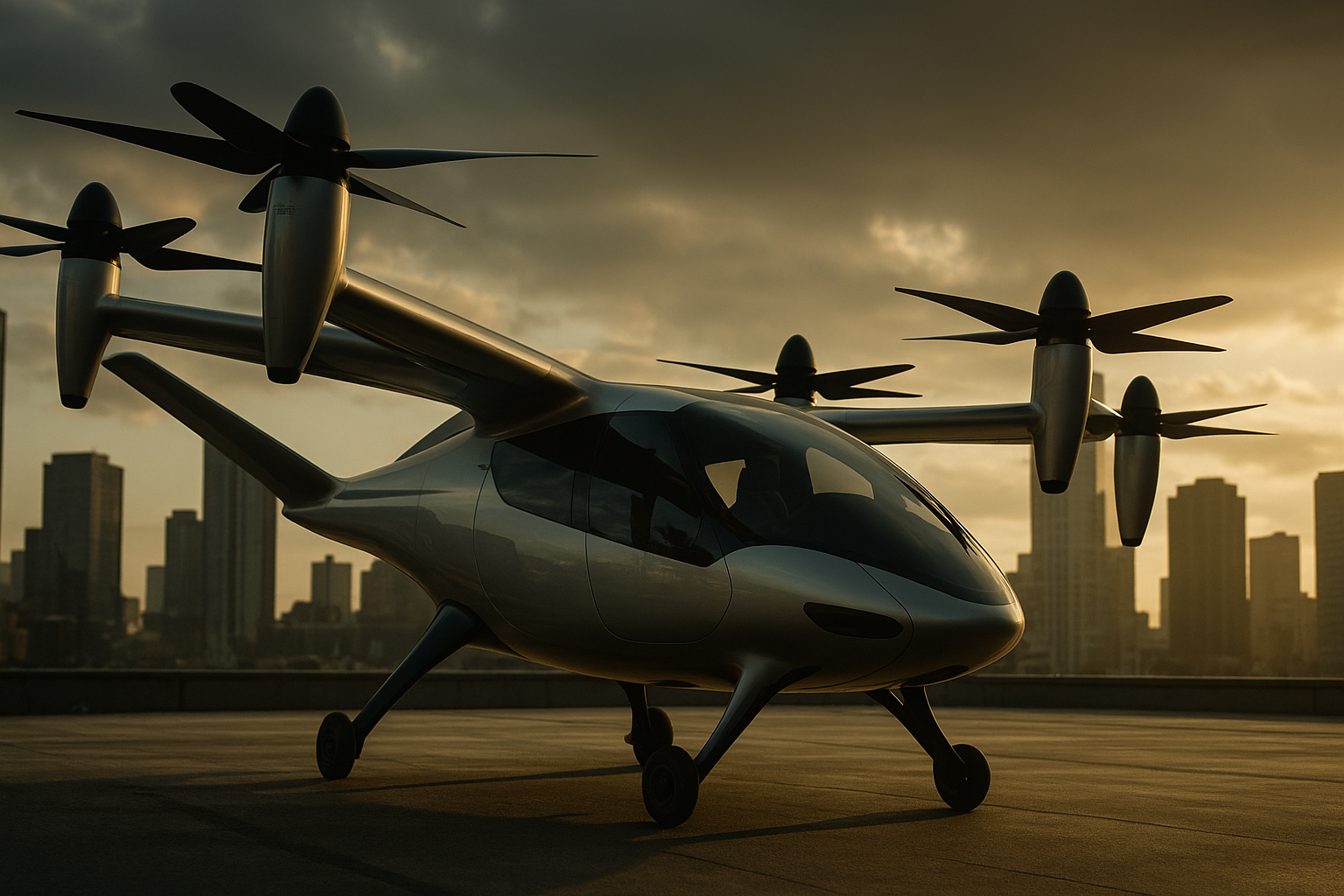
Vertical Aerospace’s Valo eVTOL has already established itself as a leading contender in the commercial air mobility space. The aircraft represents years of research, development, and real-world testing in urban environments. By leveraging the Valo platform as the foundation for autonomous capabilities, Vertical Aerospace demonstrates confidence in their existing engineering and design philosophy while pushing boundaries into new technological territories.
The Valo’s design prioritizes passenger safety, comfort, and efficiency—qualities that remain essential as the company transitions toward autonomy. The aircraft’s hybrid-electric propulsion system already reduces operational costs and environmental impact compared to traditional helicopters. Adding autonomous systems to this proven foundation creates a natural progression rather than a revolutionary overhaul.
This approach allows Vertical Aerospace to implement autonomy features incrementally, beginning with autonomous flight capabilities and potentially advancing to autonomous takeoff and landing phases. Such a measured implementation strategy reduces risk while allowing for comprehensive safety validation and regulatory approval processes.
Autonomous Flight: Transforming Urban Air Mobility Operations
Autonomy in eVTOL operations promises to address one of the industry’s most pressing challenges: pilot availability and training requirements. By introducing autonomous flight systems, Vertical Aerospace can potentially reduce operational complexity and crew costs, making air mobility services more economically viable for commercial operations. The development of reliable autonomous systems represents a critical step toward scaled deployment of eVTOL services across multiple cities.
The autonomous systems being developed for the Valo will need to handle complex urban environments, weather variations, and dynamic air traffic patterns. Advanced sensors, artificial intelligence algorithms, and redundant safety systems form the backbone of this technology. Machine learning capabilities enable the autonomous system to continuously improve its decision-making processes based on accumulated flight data and operational experience.
Regulatory authorities worldwide are developing frameworks for autonomous eVTOL operations, and Vertical Aerospace’s progress aligns with industry timelines for certification. The company’s commitment to autonomy demonstrates confidence in meeting increasingly stringent safety standards while maintaining the operational flexibility required for commercial air mobility services.
Hybrid-Electric Propulsion: The Power Behind Autonomous Operations
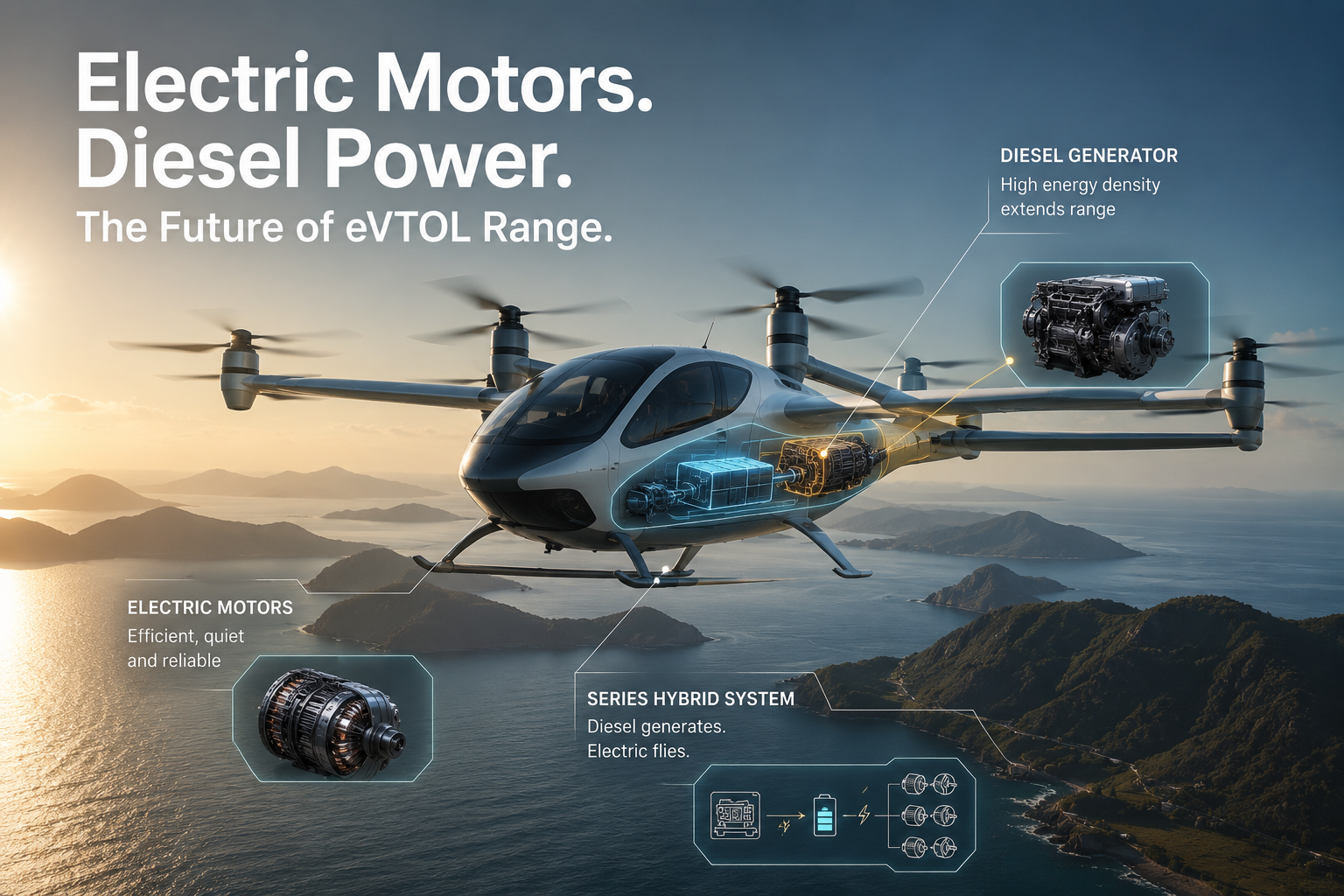
The hybrid-electric architecture of the Valo eVTOL provides significant advantages for autonomous operations. Extended range capabilities, reduced battery dependency, and improved flight endurance create operational flexibility that purely electric systems struggle to match. The hybrid system’s reliability and performance characteristics make it particularly suitable for autonomous missions where contingency management becomes even more critical.
Power management systems in hybrid-electric aircraft must coordinate battery discharge, fuel consumption, and motor performance with precision. Autonomous systems enhance this coordination by optimizing power usage in real-time based on flight conditions, traffic patterns, and destination requirements. The synergy between hybrid propulsion and autonomous flight creates a system that is greater than the sum of its parts.
Environmental benefits accompany these operational advantages. Hybrid systems produce lower emissions than combustion-only aircraft while offering advantages over battery-only systems in terms of range and payload capacity. As autonomous operations scale, the cumulative environmental benefit of deploying thousands of hybrid-electric eVTOLs across urban centers becomes substantial and measurable.
Key Takeaways for Vertical’s Autonomous Hybrid Strategy
- Autonomous capabilities eliminate pilot workload, enabling more efficient flight operations and reduced operating costs
- Hybrid-electric propulsion extends range and endurance, essential for autonomous missions spanning greater distances
- Combined system provides redundancy benefits critical for safe autonomous operations in populated urban areas
- Environmental impact decreases significantly when scaling hybrid-electric autonomous fleets across multiple cities
- Regulatory pathways for autonomous hybrid eVTOL certification are becoming clearer and more achievable
Industry Impact and Market Implications
Vertical Aerospace’s push into autonomous hybrid eVTOL technology signals confidence in the commercial viability of air mobility services. Other manufacturers and operators will likely follow similar development paths, recognizing autonomy as essential for competitive positioning in the emerging market. The competitive dynamics of the eVTOL industry are shifting toward companies that can demonstrate safe, reliable, and cost-effective autonomous capabilities.
From an investor perspective, autonomous capabilities increase the addressable market for eVTOL manufacturers. Airport transfers, cargo delivery, emergency medical transport, and urban logistics all become more economically viable when autonomous operations reduce per-flight costs. Financial analysts tracking the air mobility sector will view this development as validating their projections for market growth and industry consolidation.
The integration of autonomy into existing platforms like the Valo also demonstrates the industry’s maturation. Rather than speculative concepts, companies are now retrofitting proven aircraft designs with advanced autonomous systems. This engineering pragmatism suggests the sector is moving beyond theoretical discussions toward practical implementation within reasonable timeframes.
In conclusion, Vertical Aerospace’s announcement regarding autonomous capabilities for the Valo eVTOL represents a pivotal moment for the personal air mobility industry. The combination of proven hybrid-electric propulsion with emerging autonomous flight systems creates a compelling proposition for operators, regulators, and consumers alike. As these technologies mature and regulatory frameworks solidify, we can expect to see autonomous hybrid-electric aircraft becoming increasingly commonplace in urban airspace. The future of personal air mobility is not just electric—it’s autonomous, and Vertical Aerospace is leading the way toward this transformative era.