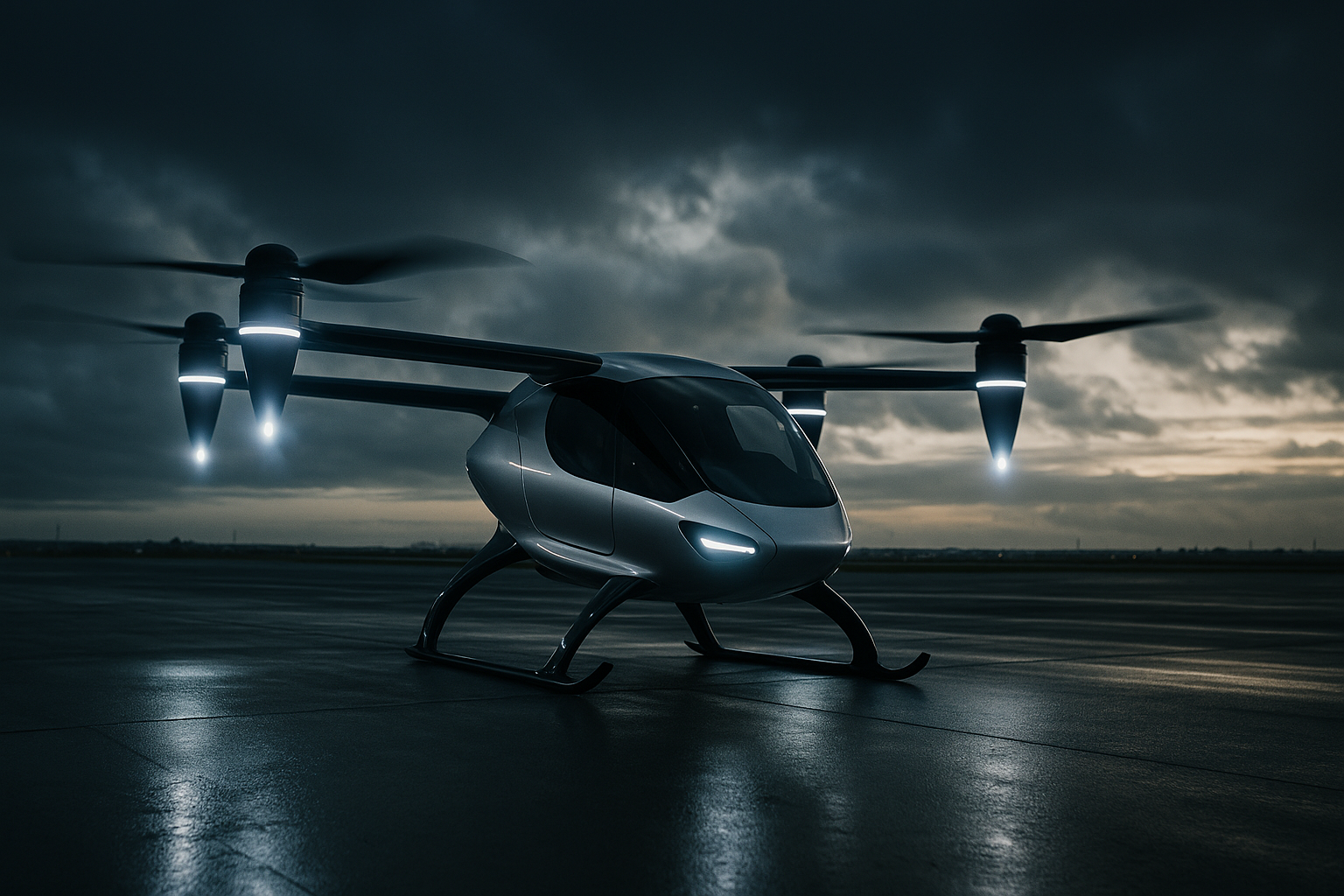
Every engineer working on personal air mobility vehicles will tell you the same thing: the battery is the problem. Current lithium-ion cells deliver roughly 250–300 Wh/kg of energy density, which translates to 10–20 minutes of flight time for single-seat eVTOL vehicles. That is not enough for most practical use cases beyond recreation and short-range commuting.
What Solid-State Batteries Change
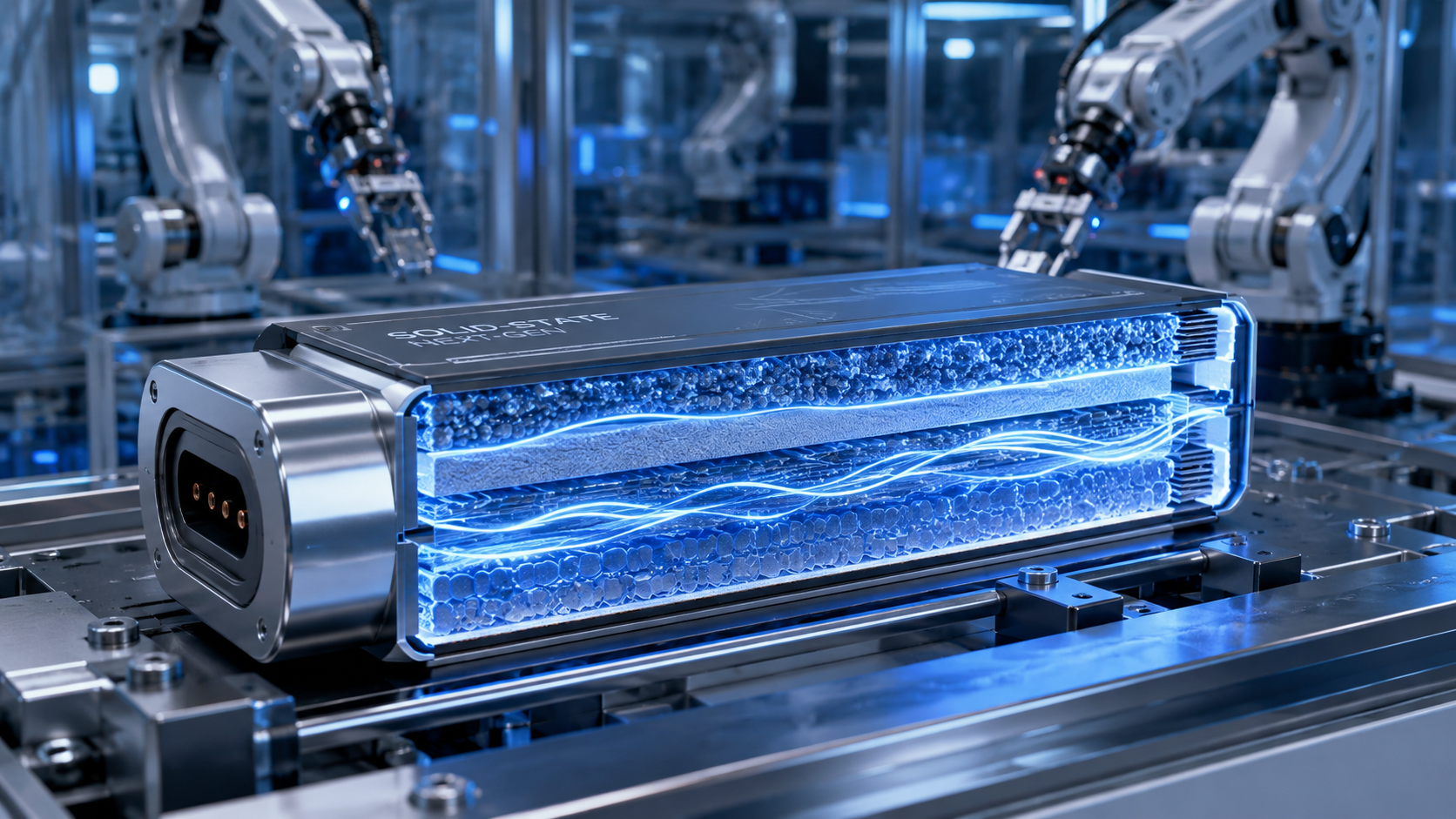
Solid-state batteries replace the liquid electrolyte in traditional lithium-ion cells with a solid ceramic or polymer material. This change allows for higher energy density — current prototypes from companies like QuantumScape and Solid Power are achieving 400–500 Wh/kg in lab conditions, with some researchers targeting 700 Wh/kg by 2027.
Applied to a vehicle like the Jetson ONE or Pivotal Helix, that jump in energy density would theoretically push flight time from 15 minutes to 40–50 minutes without increasing vehicle weight. For urban air mobility applications, that range opens up entirely new route possibilities.
At 500 Wh/kg, a personal air mobility vehicle that currently flies 15 minutes could fly 45. That changes everything about how we think about the product category.
The Manufacturing Gap
The challenge is not the chemistry — it is manufacturing at scale. Solid-state cells require extremely dry production environments and new assembly processes that most existing battery factories are not equipped for. Toyota, which has the most advanced solid-state battery program in the automotive sector, has stated that volume production is still 2–3 years away even for ground vehicles.
For the personal air mobility sector, which operates at much lower volumes than automotive, the economics of early solid-state adoption may actually be more favorable. Several eVTOL startups are already in conversations with solid-state battery manufacturers about priority supply agreements for 2026 and 2027 production runs.