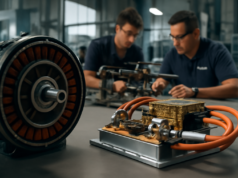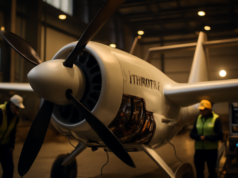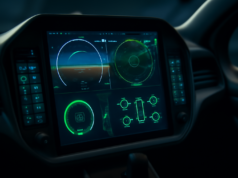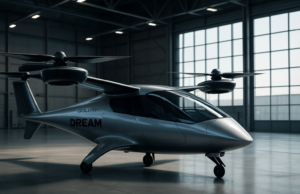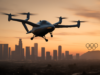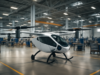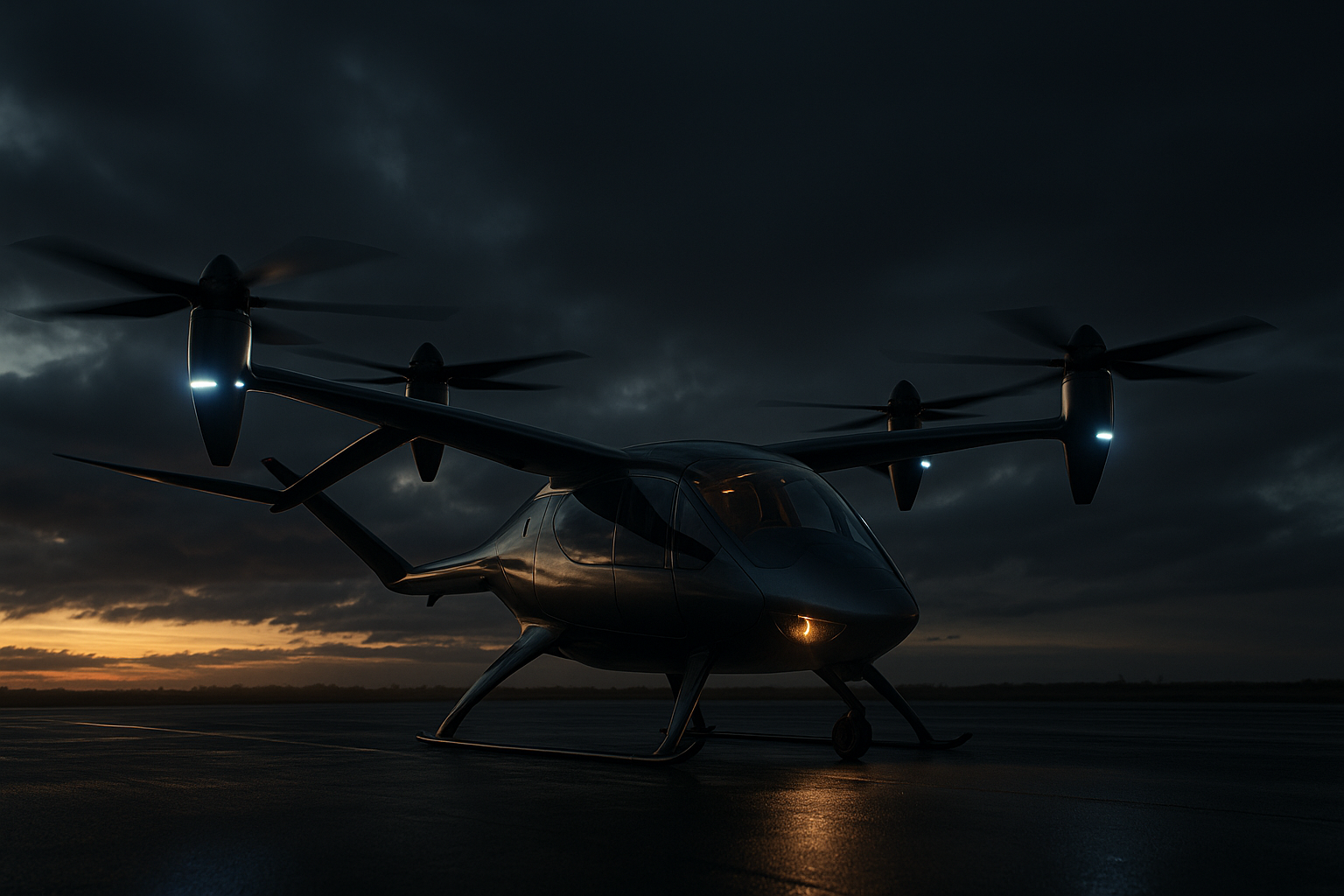
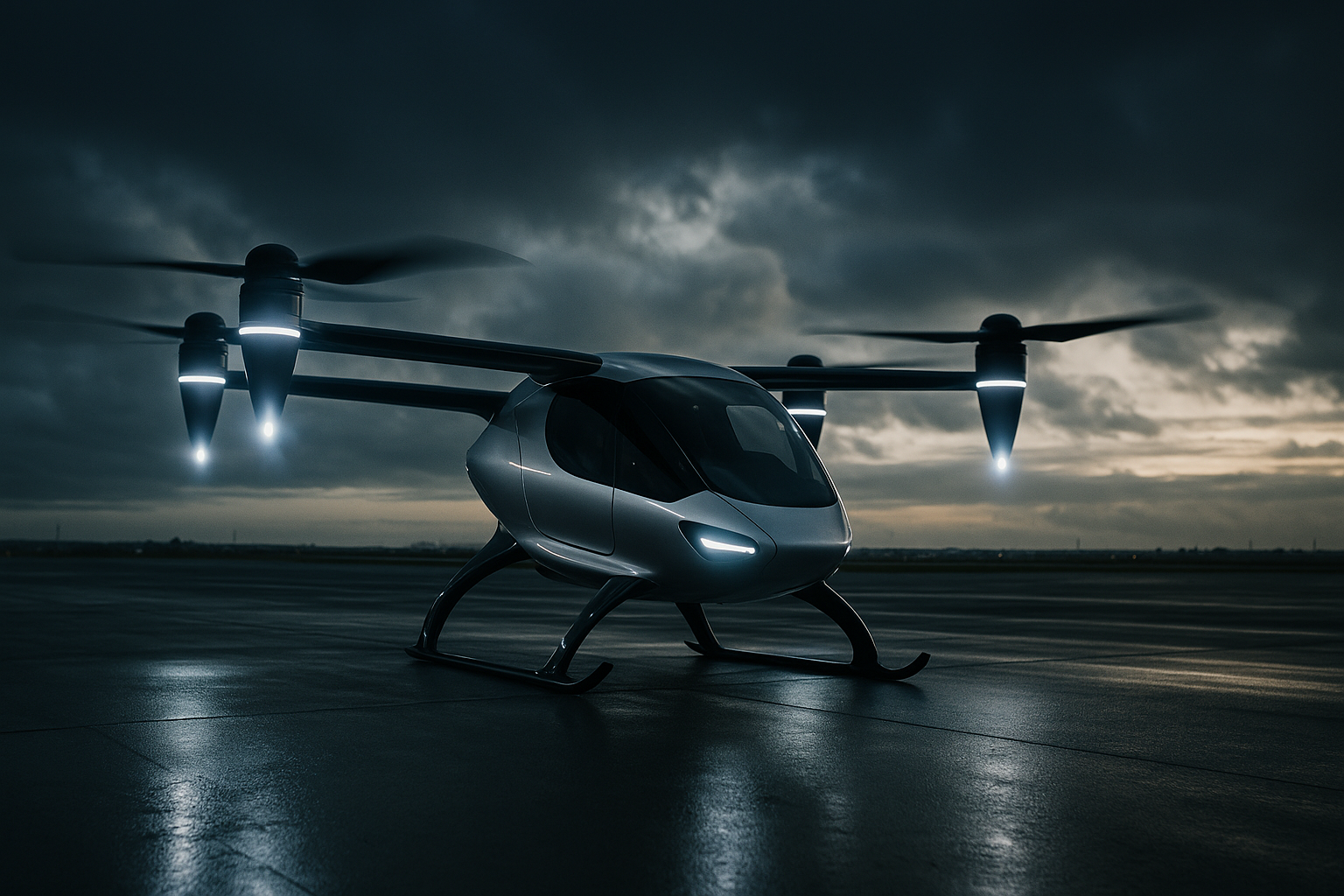
Archer Aviation has announced a groundbreaking development in the personal air mobility sector with the unveiling of their Zee AI Aviation Model, marking a significant milestone in autonomous flight technology and eVTOL innovation. This advancement represents a crucial step forward in making urban air mobility safer, more efficient, and fully autonomous. The Zee AI model demonstrates Archer’s commitment to pushing the boundaries of what’s possible in electric vertical takeoff and landing aircraft, positioning the company at the forefront of the autonomous aviation revolution.
Understanding Archer’s Zee AI Aviation Model
Archer Aviation’s Zee AI Aviation Model represents a sophisticated integration of artificial intelligence with eVTOL aircraft design and operations. This innovative framework combines machine learning algorithms, real-time data processing, and advanced flight control systems to enable truly autonomous operations. The model has been developed through extensive research and collaboration with aviation experts, technologists, and regulatory specialists who understand the complexities of autonomous flight in urban environments.
The Zee AI model incorporates multiple layers of decision-making capabilities that allow aircraft to navigate complex airspace, avoid obstacles, and respond to dynamic environmental conditions without human intervention. By leveraging artificial intelligence, Archer has created a system that continuously learns from operational data, improving safety protocols and flight efficiency with each mission. This iterative improvement process ensures that the technology becomes more robust and reliable as it accumulates real-world experience.
What sets the Zee AI model apart from competing autonomous systems is its holistic approach to aviation safety and efficiency. Rather than focusing solely on flight automation, the model addresses the entire ecosystem of urban air mobility, including traffic management, weather adaptation, emergency response protocols, and passenger comfort optimization. This comprehensive strategy positions Archer as a leader in developing practical, implementable autonomous eVTOL solutions.
Key Components of the Zee AI System
- Advanced machine learning algorithms for real-time decision making
- Redundant sensor systems for comprehensive environmental awareness
- Integrated weather prediction and adaptation capabilities
- Autonomous traffic management integration with airspace networks
- Safety-first architecture with multiple failsafe mechanisms
- Continuous learning systems that improve through operational data
Autonomous Flight Technology and Safety Implications
The transition to fully autonomous eVTOL operations represents one of the most significant safety challenges and opportunities in aviation history. Archer’s Zee AI model addresses this challenge by implementing multiple redundant systems and failsafe mechanisms designed to exceed traditional aviation safety standards. The autonomous flight technology must not only match but exceed human pilot performance in all operational scenarios, from routine flights to emergency situations requiring split-second decision-making.
Safety in autonomous aviation depends on sophisticated sensor fusion, where multiple sensor types work together to create a comprehensive understanding of the aircraft’s environment. The Zee AI model integrates LIDAR, radar, optical cameras, and infrared sensors to detect obstacles, weather conditions, and other air traffic. This multi-modal sensor approach provides overlapping coverage and redundancy, ensuring that even if one sensor system fails, the aircraft can continue operating safely using backup systems. The artificial intelligence at the core of the system processes data from all these sensors simultaneously, making rapid decisions that prioritize safety above all other considerations.
Archer has designed the Zee AI model with a fail-safe philosophy that ensures even in the unlikely event of complete system failure, the aircraft can execute a safe landing or emergency descent. This approach reflects lessons learned from decades of aviation history and modern cybersecurity practices. The system undergoes rigorous testing in both simulation and controlled flight environments before any autonomous operations are conducted with passengers or in populated areas. This methodical validation process ensures that the technology meets or exceeds regulatory requirements while building public confidence in autonomous aviation.
Safety Features and Regulatory Compliance
- Triple-redundant flight control systems with independent processors
- Continuous health monitoring for all critical aircraft systems
- Automated emergency response protocols activated by system anomalies
- Real-time communication with ground control centers for oversight
- Compliance with emerging eVTOL certification standards and regulations
- Extensive validation through simulation and controlled flight testing
Impact on Urban Air Mobility and eVTOL Innovation
Archer’s announcement of the Zee AI model signals an acceleration in the timeline for commercializing autonomous eVTOL operations. This technology has profound implications for how people will move through urban environments in the coming decades. With autonomous flight capabilities, eVTOL aircraft can operate at significantly higher utilization rates than human-piloted aircraft, as they don’t require mandatory rest periods and can operate continuously throughout the day and night. This increased availability makes urban air mobility services more economically viable and accessible to broader populations.
The innovation also enables new business models and applications that weren’t possible with human pilots. Emergency medical transport, cargo delivery, remote area access, and disaster response operations all become more feasible and cost-effective when aircraft can operate autonomously. Urban air mobility networks can be optimized in real-time using artificial intelligence that routes aircraft for maximum efficiency, minimizing flight times and reducing energy consumption. These capabilities position autonomous eVTOL technology as a transformative solution for urban transportation challenges.
Beyond the immediate commercial applications, Archer’s Zee AI model contributes to the broader ecosystem of autonomous aviation development. The company’s approach to safety, efficiency, and integration with airspace management systems provides a template that other manufacturers can learn from and build upon. As the industry matures and regulatory frameworks solidify, innovations like the Zee AI model become foundational to the entire sector’s development. This collaborative advancement accelerates the timeline for safe, reliable autonomous aviation for everyone.
Market and Operational Opportunities
- Extended operational hours enabling higher aircraft utilization
- Reduced pilot training and salary expenses for operators
- Optimized routing using real-time traffic and weather data
- Enabled new services including autonomous cargo and medical transport
- Integration with urban air mobility traffic management systems
- Scalability to large fleets without proportional staffing increases
The Future of eVTOL Development and Autonomous Systems
Archer Aviation’s Zee AI model represents a significant milestone, but it’s one of many innovations that will shape the future of personal air mobility. The eVTOL industry is rapidly maturing, with multiple manufacturers developing competing technologies and regulatory agencies working to establish certification standards. As autonomous systems become more sophisticated and proven, we can expect accelerating adoption across the industry. The next five to ten years will likely see a fundamental shift in how advanced air mobility systems are designed, operated, and regulated.
The development of artificial intelligence for aviation creates both opportunities and challenges that the industry must navigate carefully. Regulatory bodies worldwide are developing frameworks to ensure that autonomous aircraft meet stringent safety and security requirements. Archer’s proactive approach to safety and regulatory compliance demonstrates industry leadership and helps establish best practices for the entire sector. Companies that get autonomous systems right will gain significant competitive advantages, while those that cut corners on safety will face regulatory setbacks and market rejection.
Looking forward, the convergence of autonomous flight technology, electric propulsion, advanced materials, and urban air mobility infrastructure will create a transportation revolution. Archer’s Zee AI model is an important stepping stone in this journey, demonstrating that fully autonomous eVTOL operations are transitioning from theoretical concepts to practical engineering solutions. As technologies mature and regulatory approvals follow, we can expect autonomous eVTOL aircraft to become an integral part of urban transportation networks within the next decade.
The Zee AI model demonstrates that autonomous eVTOL flight is no longer a distant future concept but an engineering reality being actively deployed and validated by industry leaders.
Archer Aviation’s unveiling of the Zee AI Aviation Model marks a watershed moment in the development of autonomous eVTOL technology. By combining sophisticated artificial intelligence with rigorous safety protocols and regulatory compliance, Archer has created a framework that advances the entire industry toward safe, efficient autonomous flight. The implications of this technology extend far beyond commercial aviation, potentially transforming how emergency services, cargo operations, and personal transportation function in urban environments. As HoverNews continues to track developments in personal air mobility, innovations like the Zee AI model remind us that the future of aviation is rapidly becoming the present. The autonomous eVTOL revolution is underway, and companies like Archer are leading the way toward a safer, more efficient, and more accessible future for urban air mobility.