HIGHLIGHTS
- Zone 5 launches Eclipse, a dedicated drone interceptor designed to address critical airspace security needs for scaling eVTOL operations and urban air mobility services.
- Developed through collaboration with regulators and airspace operators, Eclipse is positioned for rapid regulatory alignment and integration into air traffic management systems.
- The interceptor market entry signals the air mobility industry’s maturation phase, where security infrastructure now ranks equal to aircraft technology for enabling safe commercial operations.
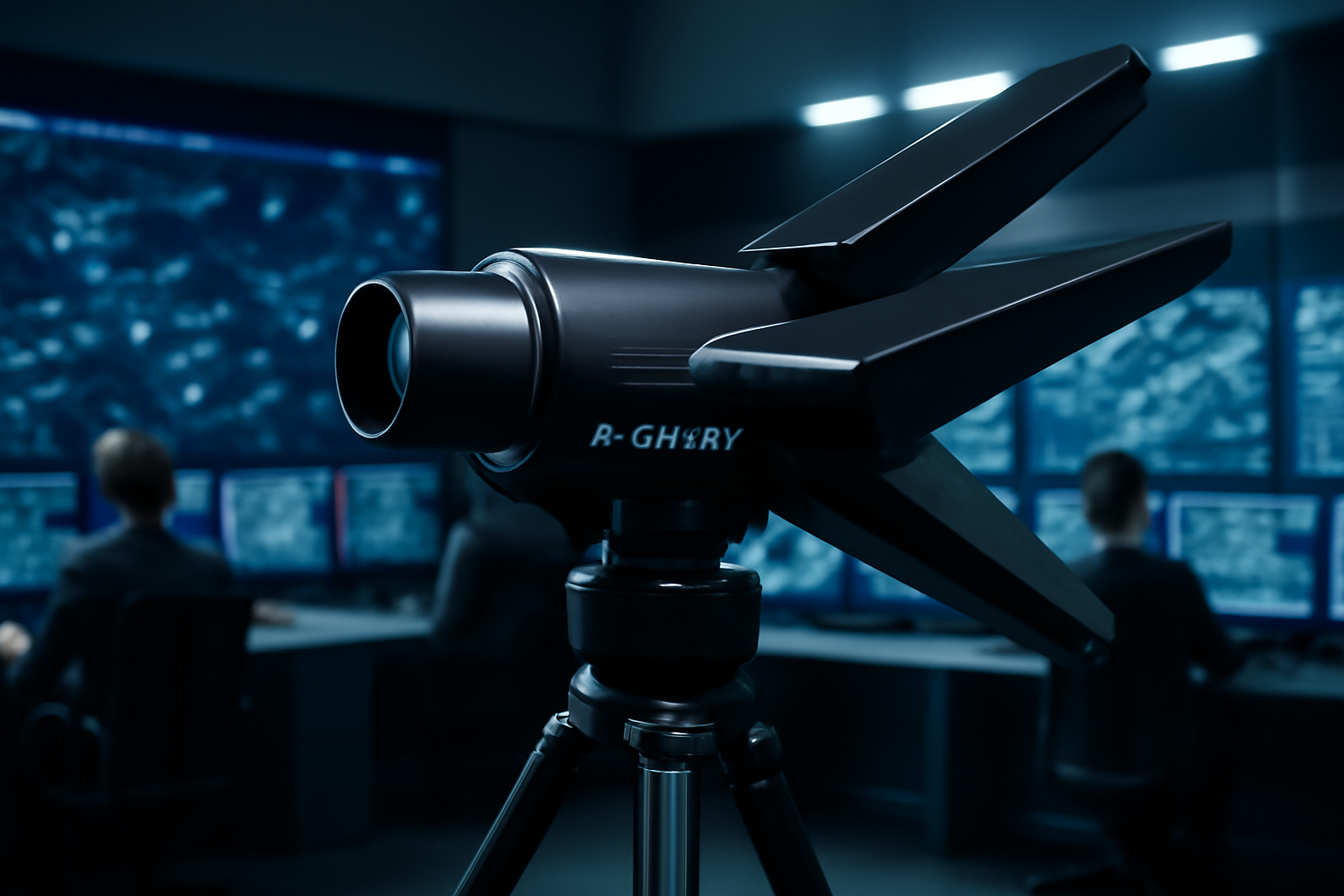
Zone 5 has officially entered the drone interceptor market with its new Eclipse system, marking a significant development in airspace security technology. The company’s CEO announced this strategic move in a recent Breaking Defense report, positioning the Eclipse as a purpose-built solution designed to address growing concerns about unauthorized drone activity and airspace management. This launch reflects the evolving landscape of personal air mobility, where robust security infrastructure has become essential for safe operations.
Zone 5’s Strategic Entry Into Drone Interception
Zone 5’s decision to develop and deploy the Eclipse interceptor demonstrates the company’s commitment to supporting the broader eVTOL and autonomous aircraft ecosystem. With the commercial drone market expanding rapidly, airspace operators and regulators are demanding sophisticated tools to monitor and manage unmanned traffic. The Eclipse represents Zone 5’s answer to this critical gap, offering capabilities specifically engineered for modern airspace challenges.
The drone interceptor market has become increasingly competitive, with numerous companies developing solutions ranging from cyber-based systems to kinetic interceptors. Zone 5’s entry signals confidence in their technological approach and their understanding of market needs. By positioning Eclipse as a dedicated solution, the company is differentiating itself from broader security platforms that treat drone interception as a secondary function.
According to Zone 5’s leadership, the Eclipse was developed with input from airspace operators, regulatory bodies, and defense institutions. This collaborative approach ensures the system addresses real-world operational challenges while maintaining compliance with emerging regulations. The company’s focus on precision and reliability positions Eclipse as a trusted tool for airspace management professionals.
Technical Innovation and Market Differentiation
While specific technical details of the Eclipse system remain proprietary, industry analysts suggest that advanced drone interception requires sophisticated detection, tracking, and response capabilities. Zone 5’s engineering team has likely incorporated cutting-edge sensor fusion, artificial intelligence, and decision-support systems to deliver a platform that can operate effectively in complex airspace environments.
The distinction between passive monitoring and active interception is crucial in this market. Passive systems detect and track unauthorized drones, providing early warning to airspace managers. Active interception systems—which appear to be Zone 5’s focus—can neutralize threats through various means, from GPS spoofing to kinetic capture. This technical distinction directly impacts regulatory approval and operational authority.
Zone 5’s Eclipse design philosophy emphasizes reliability under pressure and rapid threat assessment. These characteristics are essential for protecting critical infrastructure, major events, and increasingly, the operations of commercial eVTOL fleets. As air mobility becomes more autonomous and decentralized, the need for trustworthy security systems grows proportionally.
Regulatory Context and Airspace Security Integration
The emergence of dedicated drone interceptor systems like Eclipse occurs within a broader regulatory framework focused on managing unmanned aircraft. Aviation regulators worldwide are developing standards and protocols for counter-unmanned aircraft systems (C-UAS). Zone 5’s entry into this space suggests the company is positioning itself to align with these regulatory requirements from inception.
Airspace integration is a defining challenge for the personal air mobility industry. As air taxis, delivery drones, and autonomous passenger vehicles begin regular operations, the airspace must accommodate these vehicles while maintaining security against unauthorized or malicious drones. Regulators view integrated security solutions like Eclipse as essential infrastructure for safe urban and regional air mobility.
Zone 5’s CEO’s public announcement also serves as a regulatory signal, demonstrating to aviation authorities that the industry is actively developing solutions to address security concerns. This proactive approach can accelerate regulatory approval and help establish industry standards that benefit all operators. By entering the interceptor market visibly and transparently, Zone 5 contributes to the legitimization of air mobility infrastructure.
Market Implications and Competitive Dynamics
The drone interceptor market is expected to grow significantly as eVTOL services scale across major metropolitan areas and regions. Zone 5’s entry creates competitive pressure on existing players while expanding the overall market, potentially attracting investment and talent to the sector. This competitive dynamic typically drives innovation and cost reduction, benefiting ultimate end-users and air mobility operators.
The announcement positioning Eclipse as finding “a spot” in the interceptor market suggests Zone 5 has identified a specific niche or capability gap. Rather than competing directly across all use cases, the company may be focusing on particular scenarios: urban air mobility protection, infrastructure defense, or integration with existing air traffic management systems. This focused strategy increases the likelihood of market success and rapid deployment.
As more companies develop interceptor capabilities, ecosystem integration becomes critical. Zone 5’s Eclipse will need to interoperate with air traffic control systems, urban air mobility platform operators, and regulatory agencies. The company’s willingness to engage with these stakeholders, as evidenced by collaborative development, positions it favorably for integration into emerging air mobility ecosystems.
Future Outlook for Airspace Security in Air Mobility
Zone 5’s Eclipse launch represents a maturation phase in the personal air mobility industry. Early-stage eVTOL development focused primarily on aircraft design, certification, and passenger safety. The emergence of dedicated airspace security solutions indicates the industry is moving toward operational normalization, where supporting infrastructure—including security systems—becomes as important as the vehicles themselves.
The integration of drone interception capabilities into broader air mobility operations will likely follow several patterns. Some operators may deploy Eclipse or similar systems at vertiports and launch facilities. Others may rely on centralized airspace management centers equipped with interception capabilities. Eventually, interoperable networks of security assets may form, providing coordinated protection across metropolitan airspace.
Zone 5’s competitive positioning in the interceptor market will influence how quickly the industry matures. Success with Eclipse could establish the company as a preferred security partner for air mobility operators, potentially leading to expanded product offerings and deeper integration with air traffic systems. Conversely, competitive pressures may drive consolidation, with larger aerospace and defense companies acquiring promising interceptor startups to integrate these capabilities into comprehensive solutions.
Key Takeaways: Zone 5 Eclipse Market Impact
- Zone 5’s Eclipse interceptor addresses a critical security gap in urban air mobility operations, providing dedicated counter-drone capabilities essential for eVTOL ecosystem development.
- The company’s collaborative development approach with regulators and operators positions Eclipse for rapid regulatory approval and integration into emerging air traffic management systems.
- Zone 5’s market entry signals industry-wide recognition that airspace security infrastructure is now as vital as aircraft technology for enabling safe, scalable personal air mobility.
Zone 5’s announcement of the Eclipse drone interceptor marks a pivotal moment in the personal air mobility industry. As eVTOL services prepare for operational scaling, dedicated airspace security solutions have become essential infrastructure. Zone 5’s entry into this market, combined with its focus on regulatory collaboration and operational integration, positions the company to play a significant role in enabling safe, secure air mobility ecosystems. The competitive dynamics unleashed by Eclipse’s launch will likely accelerate innovation across the entire airspace security sector, ultimately benefiting the broader air mobility community.