HIGHLIGHTS
- Boeing divests three eVTOL subsidiaries to Archer Aviation and takes strategic equity stake, signaling consolidation in crowded urban air mobility market.
- Archer gains valuable IP, technology, and manufacturing access while Boeing’s backing provides critical regulatory credibility and financial stability for FAA certification.
- Transaction exemplifies industry-wide consolidation pressures as established aerospace giants shift from internal competition to focused partnership strategies in emerging eVTOL sector.
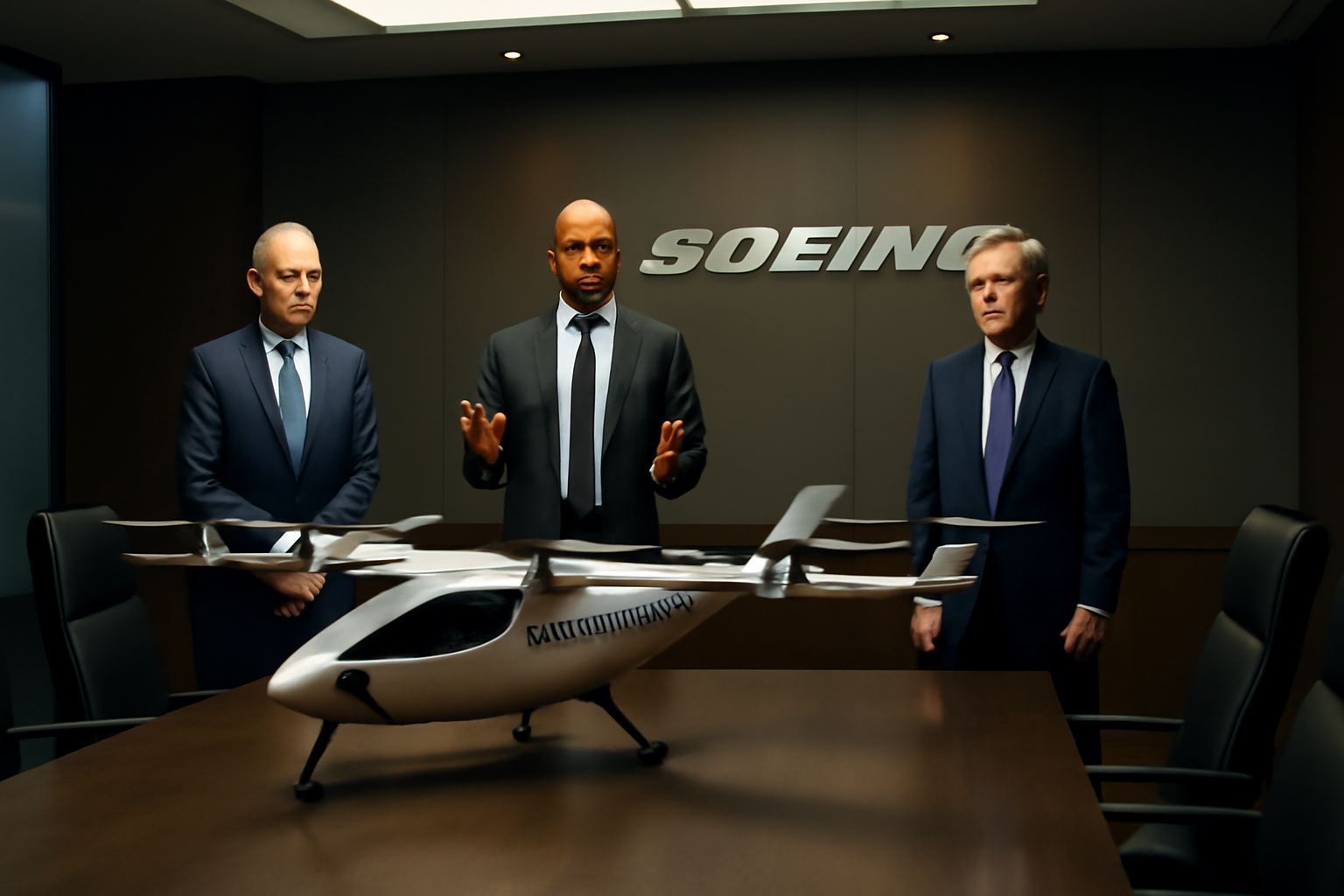
Boeing has made a landmark strategic move in the urban air mobility sector by selling three of its eVTOL subsidiaries to Archer Aviation while simultaneously taking a significant stake in the company. This decision represents a major pivot for the aerospace giant, signaling both a consolidation trend in the fragmented eVTOL market and Boeing’s confidence in Archer’s vision for the future of personal air mobility. The transaction underscores the competitive pressures facing legacy aviation manufacturers as they adapt to emerging technologies and shifting mobility patterns.
Boeing’s Strategic Pivot in Urban Air Mobility
For years, Boeing has pursued multiple pathways into the eVTOL market through various subsidiaries and development programs. However, the company has now decided that consolidation and strategic partnerships offer a more efficient approach than managing competing internal programs. By divesting three subsidiaries to Archer Aviation, Boeing is acknowledging that specialized, focused companies may be better positioned to innovate rapidly in this nascent sector. This move reflects a broader industry trend where legacy aerospace companies are choosing to partner with or acquire nimble startups rather than compete directly.
The decision to take an equity stake in Archer demonstrates Boeing’s continued belief in the eVTOL market’s long-term potential while reducing operational overhead. Rather than maintaining independent development programs, Boeing can now influence Archer’s strategic direction, access technological advances, and participate in the company’s upside without bearing the full burden of direct operations. This hybrid approach allows Boeing to maintain skin in the game while leveraging Archer’s specialized expertise and agile development model.
Boeing’s move comes at a critical time for the eVTOL industry, as companies race toward commercial certification and deployment. By consolidating operations under a well-capitalized partner, Boeing is betting that Archer will accelerate its path to certification and revenue generation. The aerospace giant’s backing could also provide Archer with enhanced credibility, supply chain access, and manufacturing capabilities—advantages that could prove decisive in the highly competitive race to establish urban air mobility networks.
What This Means for Archer Aviation
Archer Aviation stands to gain significantly from Boeing’s divestiture and investment. The acquisition of three Boeing subsidiaries brings valuable intellectual property, technology, talent, and potentially manufacturing capabilities that would have taken Archer years to develop independently. These subsidiaries likely contribute specialized expertise in areas such as electric propulsion systems, aircraft design, regulatory compliance, or battery technology—all critical components for successful eVTOL operations. The asset transfer accelerates Archer’s technical roadmap and reduces time-to-market for advanced capabilities.
Beyond the tangible assets, Boeing’s strategic stake provides Archer with an invaluable endorsement from a globally respected aerospace company. This validates Archer’s technology and business approach to investors, regulators, and potential customers. Boeing’s involvement also opens doors to established aerospace supply chains, manufacturing partnerships, and regulatory relationships that are essential for scaling eVTOL operations. For a company working toward commercial certification, having Boeing as a major shareholder can facilitate conversations with regulators and potential operators like airlines or charter services.
The capital infusion from Boeing’s investment strengthens Archer’s financial position during a period of sustained uncertainty in the venture capital markets. eVTOL companies have faced financing challenges as investors become more selective and focused on paths to profitability. Boeing’s commitment provides Archer with the runway to execute its regulatory strategy, refine its aircraft design, and begin preparing for manufacturing scale-up. This stability is crucial for retaining top talent and maintaining momentum toward commercial service.
Industry Consolidation and Competitive Implications
Boeing’s decision to divest eVTOL subsidiaries and partner with Archer reflects a broader industry pattern of consolidation among a crowded field of eVTOL developers. Dozens of companies have entered the market over the past decade, but regulatory realities, capital requirements, and technical challenges have begun narrowing the field. Boeing’s move suggests that the company has made a calculated bet that Archer, among the many competing platforms, represents the most promising opportunity for near-term commercial success and technology leadership.
This consolidation dynamic also highlights the challenge facing smaller eVTOL startups that lack major aerospace backing. As Boeing, Airbus, and other established players deploy capital and assets to support chosen partners, startups without similar support face intensifying pressure to secure partnerships, acquisitions, or alternative funding sources. The market structure is increasingly resembling a “winner-take-most” scenario where a few well-capitalized, well-connected companies dominate, while others struggle for survival. Boeing’s endorsement of Archer positions the company as a front-runner in this competitive hierarchy.
The transaction also signals confidence that the eVTOL market will reach commercial viability sooner rather than later. If Boeing believed the sector was fundamentally unproven or decades away from profitability, the company would be unlikely to invest capital and executive attention. Instead, Boeing’s willingness to divest legacy programs and consolidate resources suggests that the aerospace giant expects urban air mobility to become a material revenue stream within the next decade. This optimism, coming from one of the world’s most experienced aviation companies, carries significant weight in investor and regulator conversations.
Regulatory and Market Readiness Questions
While Boeing’s investment provides a significant boost to Archer, important regulatory and market readiness questions remain. The Federal Aviation Administration (FAA) has not yet issued type certificates for commercial eVTOL operations, and the timeline for certification continues to extend beyond initial projections. Archer must successfully complete flight testing, demonstrate safety equivalence, and meet increasingly stringent regulatory requirements before commercial operations can commence. Boeing’s assets and expertise can help navigate this complex landscape, but regulatory approval ultimately depends on technical performance and independent certification.
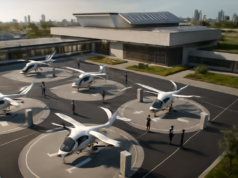
Market demand for eVTOL services also remains unproven at commercial scale. While initial use cases—such as premium on-demand urban transportation, emergency medical transport, and airport shuttle services—show promise, converting these opportunities into sustainable, profitable business models requires solving challenges in vertiport infrastructure, noise certification, air traffic management integration, and cost-competitive operations. Archer must demonstrate that its aircraft can operate economically within these constraints. Boeing’s partnership provides resources and credibility to tackle these obstacles, but commercial success is far from guaranteed.
The regulatory pathway also depends on complementary infrastructure and policy developments that extend beyond any single aircraft manufacturer or operator. The FAA’s establishment of standards for electric propulsion, battery safety, vertiport operations, and urban airspace management will influence all market participants. Archer benefits from Boeing’s regulatory relationships and expertise in navigating aerospace certification, but the company cannot control the broader policy environment that will determine how quickly and extensively eVTOL markets can develop.
Looking Forward: Boeing’s New Role in Air Mobility
Boeing’s divestiture strategy suggests that the company is shifting from attempting to dominate multiple eVTOL segments to focusing on strategic partnerships and investments in the most promising players. This approach mirrors Boeing’s historical strategy in other emerging aerospace markets, where the company often acquires or partners with specialized innovators rather than building capabilities from scratch. By backing Archer, Boeing positions itself to benefit from eVTOL market growth without bearing the operational risks and execution challenges that come with running multiple competing development programs.
The aerospace giant is also likely hedging against the possibility of multiple eVTOL platforms succeeding in different market segments. While Boeing has chosen to commit significant resources to Archer, the company may maintain investments or partnerships with other participants in adjacent areas, such as autonomous flight technologies, advanced battery systems, or air traffic management solutions. This portfolio approach reduces Boeing’s risk while maintaining optionality as the market evolves and winners emerge in different segments.
Looking further ahead, Boeing’s involvement in Archer could eventually lead to deeper integration, including joint manufacturing, supply chain alignment, or even full acquisition as Archer approaches commercial scale. Alternatively, if other platforms prove technically superior or capture regulatory favor, Boeing could leverage the expertise and relationships gained through Archer to pivot toward other partnerships. The current arrangement provides flexibility while demonstrating commitment to the urban air mobility opportunity.
Key Takeaways from Boeing’s eVTOL Strategy Shift
- Boeing is consolidating its fragmented eVTOL portfolio by divesting three subsidiaries to Archer Aviation while taking a strategic equity stake, reflecting a shift toward focused partnership-based growth models in the emerging urban air mobility market.
- Archer gains valuable intellectual property, technology, talent, and supply chain access from Boeing’s subsidiaries, while Boeing’s investment provides critical financial stability and regulatory credibility as the company navigates FAA certification and commercial readiness challenges.
- The transaction exemplifies broader industry consolidation pressures as capital requirements and regulatory complexity drive smaller eVTOL startups to seek partnerships or face elimination, positioning Archer as a leading contender for early-stage commercial dominance.
Boeing’s strategic decision to divest eVTOL subsidiaries and partner with Archer Aviation marks a turning point in the aerospace industry’s approach to urban air mobility. Rather than pursuing internal competition and fragmented development, Boeing has chosen to concentrate resources behind what it believes is the most promising near-term opportunity. This move provides Archer with the capital, technology, and credibility needed to accelerate its path to commercial certification while signaling to investors, regulators, and potential customers that the eVTOL sector is entering a more mature phase of industry development. As certification timelines extend and market realities become clearer, Boeing’s partnership approach may prove to be the optimal strategy for established aerospace companies seeking to participate in the emerging air mobility ecosystem. The coming years will reveal whether Boeing’s bet on Archer proves prescient and how this strategic consolidation influences the broader trajectory of the eVTOL industry.