HIGHLIGHTS
- Archer Aviation challenges Boeing’s market dominance with dedicated electric vertical takeoff aircraft designed for urban air mobility.
- The eVTOL upstart focuses on point-to-point passenger transportation, addressing a market segment Boeing has largely ignored.
- Investment comparison reveals contrasting risk profiles: established aerospace stability versus high-growth emerging technology exposure.
The aerospace industry is witnessing a seismic shift as Archer Aviation, a pioneering electric vertical takeoff and landing (eVTOL) manufacturer, challenges the established order represented by Boeing. While Boeing has dominated commercial aviation for decades, this emerging upstart represents a fundamentally different approach to urban air mobility and regional transportation. The comparison between these two companies raises critical questions for investors, regulators, and industry observers about the future of aviation and personal air mobility.
The Rise of Archer Aviation in Urban Air Mobility
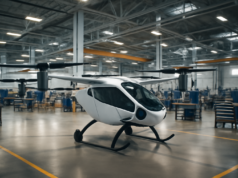
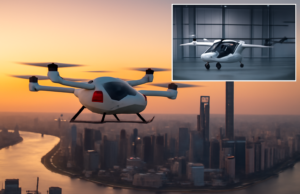
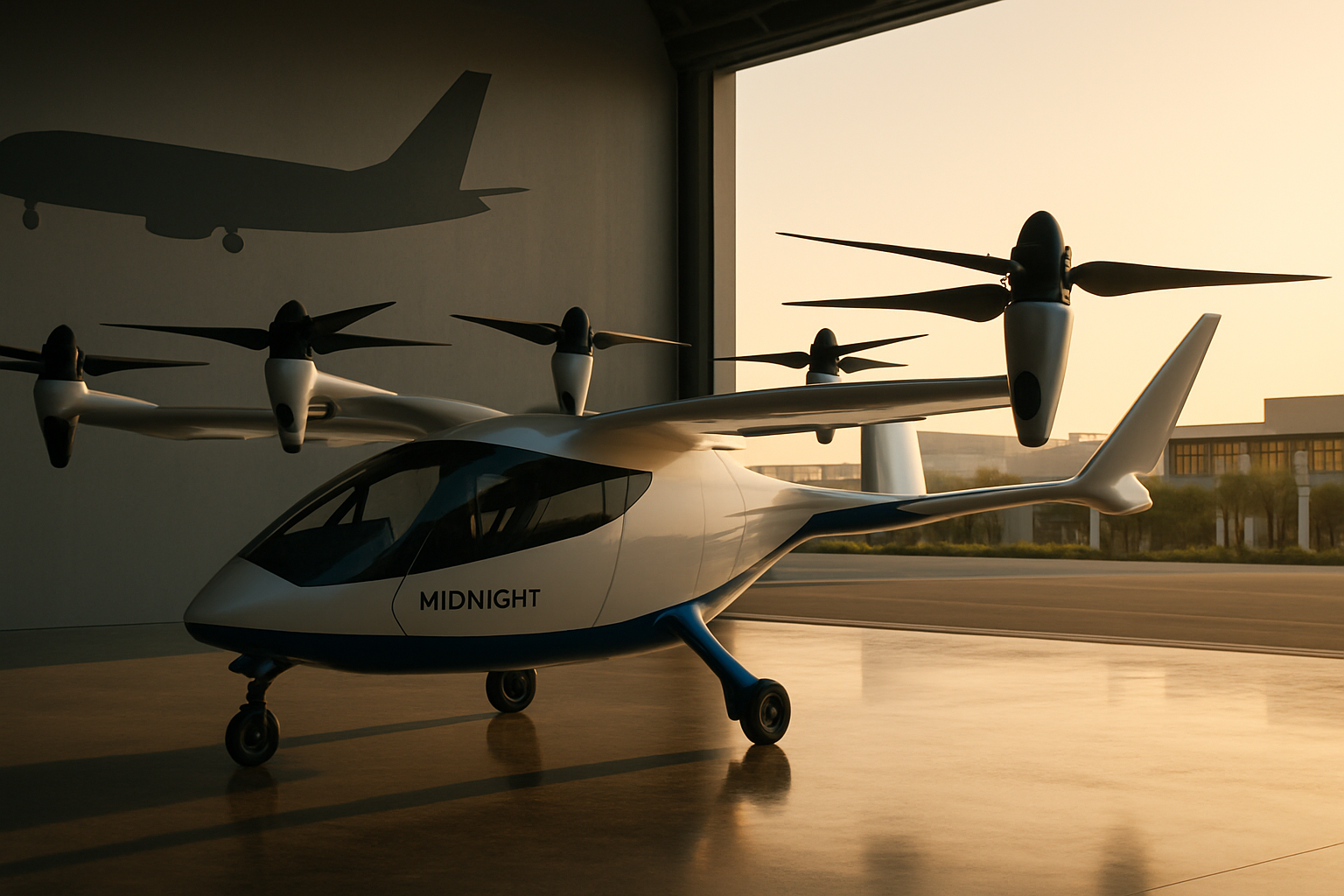
Archer Aviation has emerged as one of the most focused and well-funded eVTOL developers in the world. The company’s commitment to bringing electric aircraft to market demonstrates the viability of alternative propulsion systems for aviation. With proprietary designs like the Midnight aircraft, Archer is positioned to capture a significant share of the emerging urban air mobility market, which analysts project could be worth tens of billions of dollars annually by the 2030s.
The company’s strategic approach emphasizes practical, near-term deployments rather than futuristic concepts. Archer’s aircraft are designed with realistic operational constraints in mind, including noise reduction, energy efficiency, and safety certifications. This pragmatic engineering philosophy differentiates Archer from some competitors who focus primarily on cutting-edge technology demonstrations. The company’s partnerships with regulatory bodies and infrastructure developers position it well for rapid commercialization once certification is achieved.
Archer’s market opportunity is fundamentally different from Boeing’s traditional business. While Boeing generates revenue from large commercial aircraft operated by major carriers, Archer targets point-to-point routes in congested urban areas. This includes services to airports, business centers, and remote locations where traditional infrastructure doesn’t exist. The addressable market for this mobility segment may ultimately rival or exceed established commercial aviation in terms of revenue potential.
Boeing’s Established Market Position and New Challenges
Boeing’s dominance in commercial aviation is built on decades of engineering excellence, manufacturing expertise, and an unparalleled network of suppliers and operators. The company’s 737 MAX, 777, and 787 aircraft generate consistent revenue streams from a global fleet serving hundreds of airlines. Boeing’s scale, manufacturing infrastructure, and regulatory relationships represent enormous competitive advantages that cannot be easily replicated.
However, Boeing’s traditional business model shows signs of maturation. Growth in commercial aviation has slowed considerably, and established players face increasing pressure from environmental regulations and carbon reduction mandates. Boeing’s entry into the eVTOL market has been limited and cautious, with the company pursuing partnerships and small investments rather than developing dedicated aircraft platforms. This hesitancy may reflect the company’s focus on its core commercial aviation business, or it may represent a strategic misstep in failing to recognize the scale of the emerging market opportunity.
Boeing’s reputation has been tested in recent years by the 737 MAX grounding and subsequent production challenges. These events damaged the company’s previously unblemished safety record and raised questions about manufacturing quality and certification processes. For potential investors and customers, Boeing’s current challenges in its primary business segment create uncertainty about the company’s ability to simultaneously develop and commercialize disruptive new aircraft technologies.
Technology and Innovation: Different Pathways
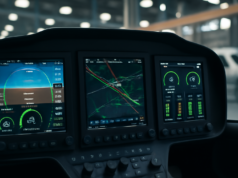
Archer Aviation’s technological approach emphasizes electric propulsion systems, distributed electric motors, and advanced battery management. The company’s Midnight aircraft uses a hybrid-electric architecture for its initial deployments, balancing the limitations of current battery technology with the need for extended range and payload capacity. This pragmatic approach to engineering reflects an understanding that perfect technology is the enemy of practical commercialization.
Boeing’s legacy in aviation technology is undeniable. The company employs some of the world’s leading aerospace engineers and maintains cutting-edge research facilities. However, Boeing’s existing aircraft platforms represent massive capital investments, and the company’s profit model depends on extracting value from these legacy designs. This creates structural incentives to optimize existing products rather than cannibalizing market share with disruptive new technologies that might render previous investments obsolete.
The competitive advantage in eVTOL technology may ultimately depend less on raw engineering capability and more on agility, market timing, and manufacturing efficiency. Archer’s singular focus on electric aircraft gives the company an organizational advantage in allocating resources and making rapid strategic decisions. Boeing’s diversified portfolio, while providing financial stability, may actually disadvantage the company in a race to commercialize breakthrough technologies where speed and focus matter more than scale.
Investment Considerations and Market Outlook
Comparing Archer Aviation and Boeing as investment opportunities requires honest assessment of risk and return profiles. Boeing offers dividend income, stable cash flows, and a diversified revenue base, but faces mature market conditions and questions about future growth. Archer Aviation represents a high-growth opportunity in an emerging market, but carries substantially higher execution risk, regulatory uncertainty, and the possibility of technological disruption from competing platforms.
The broader eVTOL market is increasingly crowded, with competitors including Joby Aviation, Lilium, and others pursuing similar opportunities. This competitive intensity could compress margins and extend the timeline to profitability for all participants, including Archer. However, the massive size of the addressable market (millions of daily commutes across urban areas) suggests room for multiple successful competitors, unlike traditional aviation where a few dominant manufacturers control the market.
Boeing’s position in this comparison depends significantly on regulatory trends, fuel prices, and environmental policies. If governments aggressively mandate electric aircraft for urban operations or impose carbon taxes on fossil fuel aviation, Boeing’s commercial fleet becomes a stranded asset. Conversely, if environmental regulations move more slowly or face political resistance, Archer’s path to profitability becomes longer and more uncertain. Market observers should monitor regulatory developments in major economies as a key indicator of which company’s business model will ultimately prevail.
Key Investment Takeaways
- Archer Aviation represents exposure to the emerging urban air mobility market, a segment Boeing largely ignores despite its massive long-term potential
- Boeing offers established market position and cash generation but faces mature market conditions and legacy cost structures that limit growth upside
- Regulatory decisions regarding electric aircraft certification and environmental standards will ultimately determine which investment thesis proves correct
The Archer Aviation versus Boeing comparison encapsulates the broader tension in modern aerospace between established excellence and disruptive innovation. Archer Aviation’s focused approach to eVTOL development positions the company to capture significant value from the emerging urban air mobility market. Boeing’s unparalleled manufacturing expertise and market position provide stability, but the company’s limited presence in electric aircraft development may represent a missed opportunity to shape the industry’s future. For investors, the choice between these companies depends on individual risk tolerance and views about the speed of technological disruption in aviation. What seems certain is that the aviation industry’s next major growth phase will be driven by electric propulsion and point-to-point urban mobility services, areas where Archer is positioned to lead and Boeing is still catching up.