HIGHLIGHTS
- Innovative Aerosystems develops purpose-built avionics systems specifically designed for eVTOL flight decks, marking a major shift from adapted rotorcraft equipment.
- Next-generation main display technology integrates real-time data visualization and intuitive interfaces tailored to the unique operational demands of electric vertical takeoff and landing aircraft.
- Advanced avionics systems are critical for safe urban air mobility operations, enabling pilots to manage autonomous flight systems, battery performance, and dynamic flight parameters efficiently.
The urban air mobility industry is experiencing rapid technological advancement, and one of the most critical systems powering the next generation of eVTOL aircraft is finally getting the specialized attention it deserves. Innovative Aerosystems has announced the development of dedicated avionics systems specifically engineered for eVTOL flight decks, marking a significant milestone in the maturation of electric vertical takeoff and landing technology. This breakthrough moves the industry away from adapting conventional helicopter and fixed-wing avionics toward purpose-built solutions that address the unique operational requirements of electric aircraft.
The Evolution of eVTOL Avionics Technology
For years, the eVTOL industry has relied on modified avionics systems designed for traditional rotorcraft and fixed-wing aircraft. While these adaptations served as functional interim solutions, they failed to optimize for the specific needs of electric propulsion systems, distributed electric motors, and battery management parameters that define modern eVTOL operations. The lack of purpose-built avionics created inefficiencies in cockpit workflows and limited the potential for advanced autonomous flight capabilities that could revolutionize urban air mobility.
Innovative Aerosystems recognized this critical gap in the market and committed significant resources to developing avionics from the ground up for eVTOL platforms. Their engineering team conducted extensive research into pilot requirements, operational workflows, and the unique sensor inputs generated by modern electric aircraft. The result is a comprehensive avionics ecosystem that seamlessly integrates all essential flight management functions into an intuitive, pilot-centric design philosophy.
The shift toward dedicated eVTOL avionics represents a maturation moment for the entire industry. As regulators worldwide establish certification standards for electric vertical aircraft, having avionics systems specifically designed to meet these emerging requirements becomes increasingly important. Innovative Aerosystems’ development effort signals confidence in the eVTOL market’s long-term viability and commitment to establishing professional-grade cockpit standards that rival traditional aviation sectors.
Main Display System Innovation and Capabilities
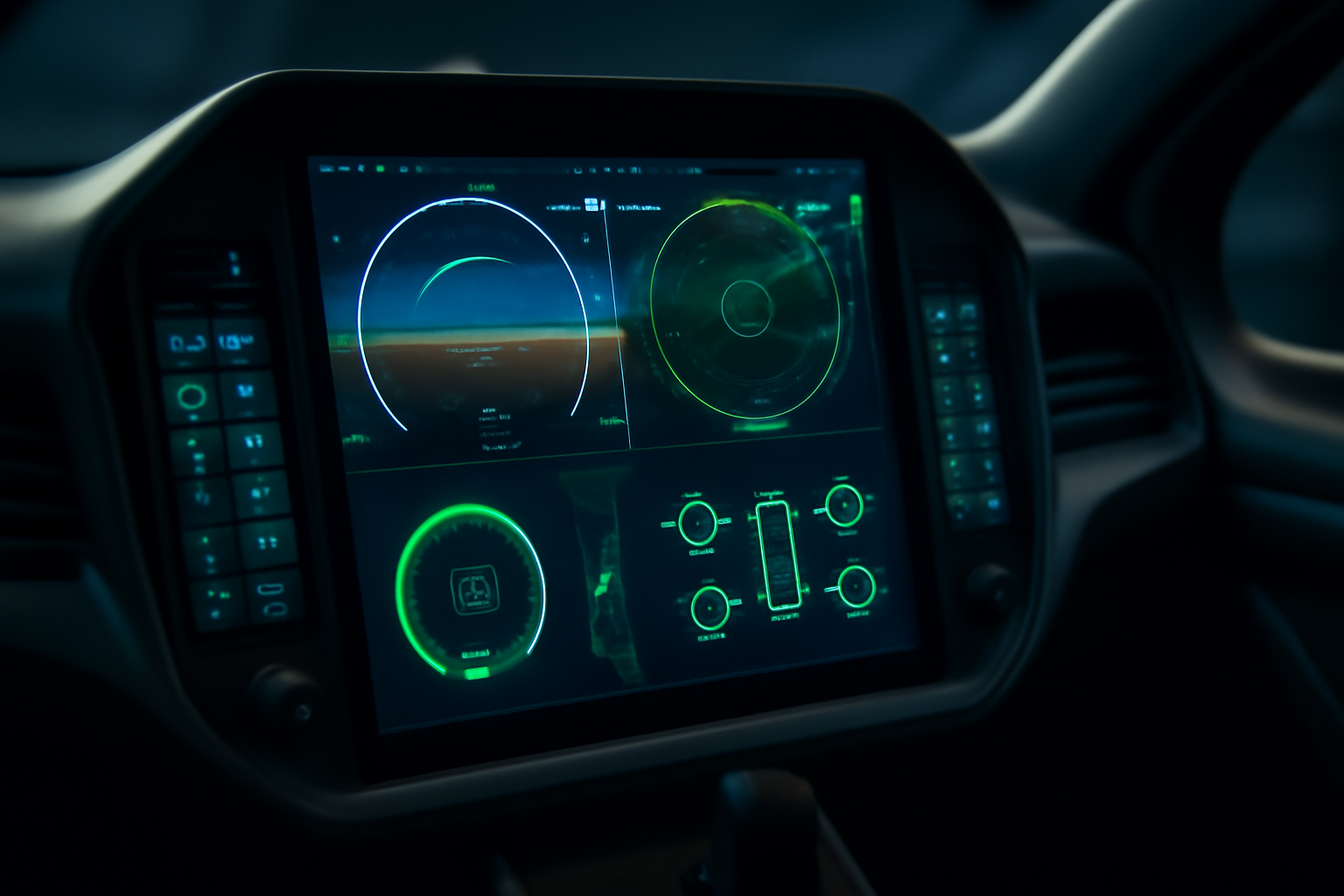
At the heart of Innovative Aerosystems’ new avionics suite lies an advanced main display system engineered to present complex flight data in a clear, actionable format. Traditional eVTOL operators have struggled with information overload from cobbled-together systems that weren’t designed to work cohesively. The new main display consolidates critical flight parameters, battery status, motor performance metrics, and navigation data onto a single, intelligently organized interface that reduces cognitive load on pilots during demanding urban operations.
The display architecture incorporates high-resolution touchscreen technology coupled with intuitive gesture controls, allowing pilots to access detailed information or adjust flight parameters with minimal workload impact. Real-time visualization of battery state-of-charge, power distribution across multiple propulsors, and thermal management data gives pilots unprecedented insight into their aircraft’s electrical systems. This transparency is essential for safe eVTOL operations, particularly during transition phases and emergency scenarios where electrical system performance directly impacts safety margins.
The system’s modular design allows for scalability across different eVTOL platforms, from single-pilot air taxi configurations to larger regional electric aircraft. Innovative Aerosystems engineered the interface to adapt to various cockpit layouts and pilot skill levels, supporting everything from fully automated flight modes to manual control scenarios. This flexibility ensures that the avionics ecosystem can grow alongside the diverse eVTOL market, supporting different aircraft manufacturers and operator business models without requiring complete redesigns.
Integration with Autonomous Flight Systems
One of the most sophisticated aspects of Innovative Aerosystems’ avionics development is their integration architecture for autonomous flight management systems. Modern eVTOL aircraft increasingly incorporate automated takeoff, climb, cruise, descent, and landing sequences that significantly reduce pilot workload during routine operations. The new avionics suite provides seamless coordination between these autonomous systems and pilot controls, displaying the automation state, engaged modes, and available override capabilities in real-time.
The system’s design accommodates fail-safe transitions between automated and manual control, a critical requirement for commercial eVTOL operations in complex urban airspace. Pilots receive clear visual and auditory feedback when automation engages or disengages, preventing mode confusion that could compromise safety. The avionics also integrate traffic awareness and terrain warning functionality, creating a comprehensive situational awareness layer that helps pilots maintain safe separation in increasingly congested urban airways.
Advanced alerting algorithms distinguish between routine advisory information and urgent safety-critical alerts, prioritizing pilot attention appropriately. The system learns from operational patterns and can provide predictive warnings about potential battery performance issues, maintenance requirements, or environmental factors that might impact flight safety. This proactive approach to safety represents a significant advancement over traditional avionics systems that primarily react to current flight conditions.
Certification Pathways and Industry Standards
Innovative Aerosystems has aligned their avionics development with emerging certification standards from aviation authorities worldwide, including the FAA, EASA, and other regional regulators. The company worked closely with standards organizations to ensure that their systems meet or exceed requirements for special conditions that apply to novel eVTOL aircraft. This proactive engagement with the regulatory community positions the avionics for swift certification when manufacturers integrate them into production aircraft.
The standardization effort addresses not only the avionics hardware and software architecture but also pilot training and operational procedures. Innovative Aerosystems is developing comprehensive training programs that prepare pilots to operate advanced eVTOL avionics safely and effectively. These training modules cover normal operations, emergency procedures, system failures, and integration with urban air traffic management systems that will eventually coordinate eVTOL flights in metropolitan airspace.
Certification of new avionics systems typically requires extensive testing, validation, and demonstration of compliance with airworthiness standards. Innovative Aerosystems’ systematic approach to certification ensures that their systems will meet the rigorous safety requirements necessary for commercial eVTOL operations. The company’s commitment to regulatory alignment increases the likelihood of rapid adoption across the industry, as aircraft manufacturers can leverage certified systems rather than developing proprietary avionics from scratch.
Market Implications and Future Outlook
The introduction of purpose-built eVTOL avionics from established aerospace suppliers like Innovative Aerosystems signals growing confidence in the commercial viability of urban air mobility. Aircraft manufacturers can now focus resources on vehicle design and propulsion systems rather than struggling with avionics integration. This specialization of labor accelerates development timelines and reduces technical risk for emerging eVTOL companies competing to bring aircraft to market.
Industry analysts anticipate that dedicated eVTOL avionics will become a significant revenue driver for aerospace suppliers as the commercial UAM market scales. Multiple competitors are likely to enter this market segment, creating technological competition that benefits operators through continuous improvement and innovation. The maturation of avionics technology also supports regulatory approval pathways, enabling faster certification of new eVTOL platforms and expansion of approved operational areas.
As urban air mobility networks develop over the next decade, avionics systems will play an increasingly critical role in managing flight traffic, optimizing energy efficiency, and ensuring safety in complex metropolitan airspace. Innovative Aerosystems’ commitment to developing these systems represents a significant contribution to making eVTOL operations safe, reliable, and commercially sustainable.
Key Takeaways for the eVTOL Industry
- Purpose-built avionics specifically designed for eVTOL operations represent a major advancement over adapted traditional aircraft systems, enabling optimized pilot workflows and safer flights.
- Advanced main display technology integrates real-time battery, motor, and flight management data, providing pilots with unprecedented visibility into their aircraft’s electrical systems and flight status.
- Regulatory alignment and certification pathways for these avionics systems accelerate commercial eVTOL deployment by reducing technical barriers and supporting manufacturer timelines.
The development of advanced avionics by Innovative Aerosystems marks a turning point in eVTOL maturation. As the industry progresses toward commercial operations at scale, having sophisticated, purpose-built systems managing flight decks will be fundamental to achieving the safety and operational efficiency necessary for urban air mobility to become an integral part of future transportation networks. With regulatory approval on the horizon, these new avionics systems promise to unlock the full potential of electric vertical aircraft technology.