HIGHLIGHTS
- Virgin Atlantic becomes the first UK airline to commit to electric air taxi operations, expanding beyond traditional aviation into urban air mobility.
- Delta Air Lines and United Airlines joining the eVTOL movement signals major carriers worldwide are betting on electric short-haul aviation’s commercial viability.
- UK passengers could soon access emissions-free airport connectivity and urban transportation, positioning Britain as a leader in sustainable aviation innovation.
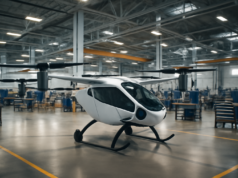
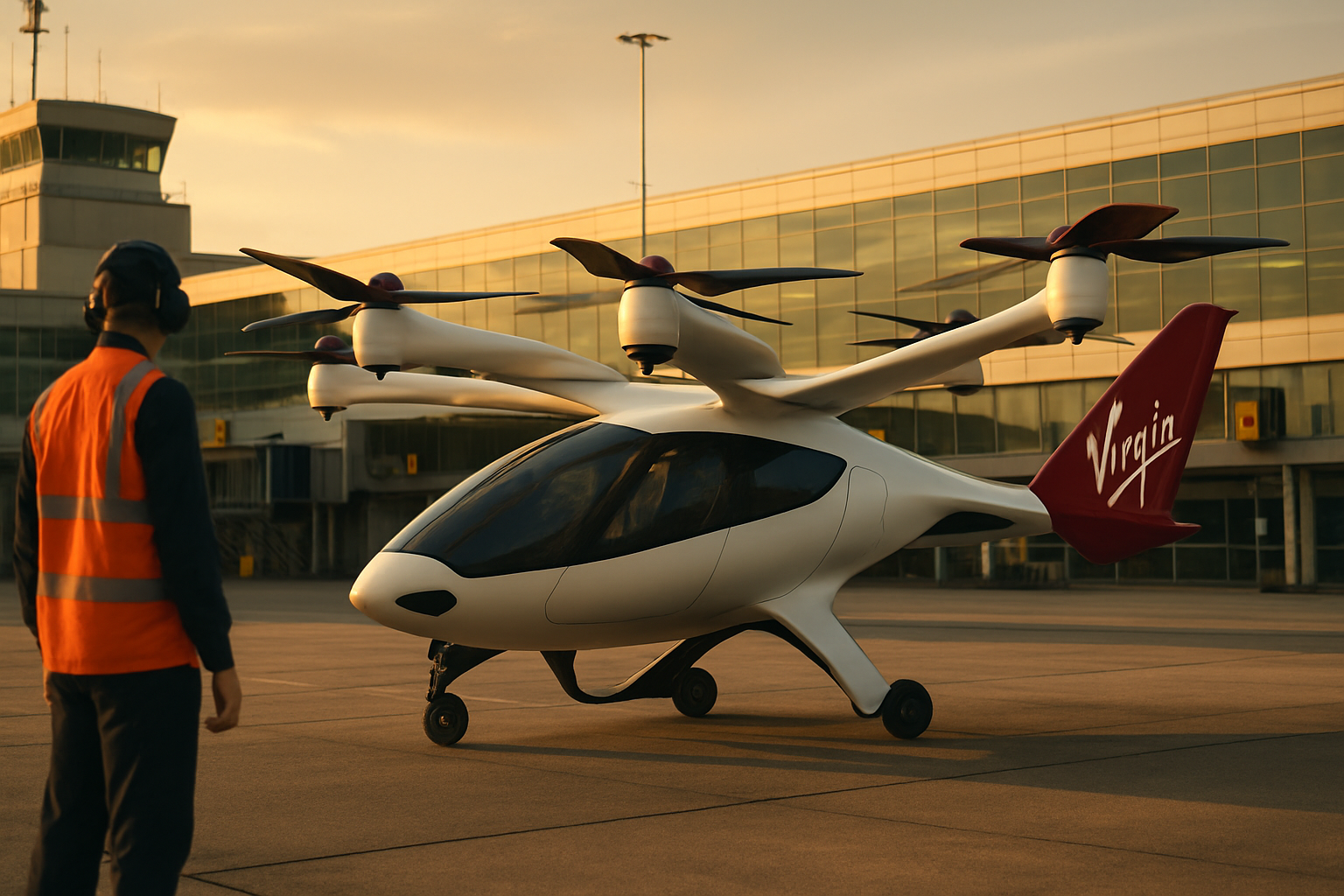
Virgin Atlantic has taken a significant step forward in the electric aviation revolution by announcing plans to bring electric air taxi services to UK passengers. This strategic move places the airline alongside major carriers such as Delta Air Lines and United Airlines in embracing eVTOL (electric vertical takeoff and landing) technology, signaling a major shift in how passengers will connect to airports and navigate urban transportation networks across Britain.
Virgin Atlantic’s Entry into Electric Air Mobility
Virgin Atlantic’s commitment to electric air taxi operations represents a watershed moment for British aviation. As one of the UK’s leading independent airlines, the carrier has built its reputation on innovation and customer experience—qualities that naturally align with pioneering electric aviation solutions. By integrating eVTOL services into its network, Virgin Atlantic is positioning itself at the forefront of sustainable travel innovation and demonstrating confidence in the commercial viability of electric short-haul aircraft.
The airline’s decision comes at a pivotal moment in the eVTOL industry’s maturation. Over the past 18-24 months, aircraft manufacturers have achieved significant milestones in certification and testing, with multiple platforms now approaching commercial operations. Virgin Atlantic’s backing provides crucial market validation and demonstrates that established carriers see genuine revenue potential in these services rather than viewing them merely as experimental technology.
By entering the eVTOL space, Virgin Atlantic also strengthens its sustainability credentials—a critical differentiator in modern aviation. The airline has already committed to ambitious carbon reduction targets, and electric air taxis directly support these goals by eliminating operational emissions during short-haul urban flights. This move aligns with both regulatory pressure and growing passenger demand for environmentally responsible travel options.
The Global Airline Industry Embraces eVTOL Technology
Virgin Atlantic is not alone in this transition. Delta Air Lines and United Airlines have similarly signaled their strategic commitment to electric air taxi operations, creating a compelling picture of industry-wide transformation. When major carriers that operate hundreds of aircraft begin investing in eVTOL infrastructure, it sends a clear message: this is not a fringe experiment but an essential component of future aviation networks.
Delta’s involvement is particularly significant given its position as one of the world’s largest airlines. The carrier operates from major hub cities—Atlanta, Detroit, and Minneapolis-Saint Paul—where eVTOL services could meaningfully reduce ground transportation times and congestion. United’s commitment similarly signals that premium carriers serving business and leisure passengers recognize the market demand for faster, cleaner airport connectivity solutions.
This convergence of industry giants around eVTOL technology creates powerful network effects. As more airlines commit to electric air taxi operations, they create economies of scale that benefit aircraft manufacturers, charging infrastructure developers, and service providers. Each major carrier’s involvement reduces perceived risk for others, accelerating adoption across the global aviation sector. This coordinated industry movement suggests that urban air mobility is transitioning from an aspirational concept to an expected service offering.
Implications for UK Aviation and Infrastructure
Virgin Atlantic’s entry into eVTOL operations will have profound implications for UK aviation infrastructure and urban planning. The airline’s network spans major cities including London, Manchester, and Belfast, providing ideal launch points for electric air taxi services. These regional hubs could become early eVTOL transportation nodes, with Virgin Atlantic potentially establishing dedicated vertiports or landing facilities at existing airports.
The regulatory environment in the UK has grown increasingly supportive of urban air mobility. The Civil Aviation Authority has established clear frameworks for eVTOL certification and operations, removing significant barriers that exist in some other countries. This regulatory clarity has made the UK an attractive market for both airline operators and aircraft manufacturers, positioning British aviation as a genuine leader in sustainable transportation innovation.
For passengers, Virgin Atlantic’s eVTOL commitment translates to tangible benefits. Business travelers connecting between London area airports could dramatically reduce journey times using electric air taxis instead of ground transportation. Similarly, passengers traveling between regional cities could access faster, more convenient airport connectivity. As service availability expands, these routes could become mainstream travel options rather than premium services, democratizing access to urban air mobility across a broader passenger base.
Technological and Commercial Maturation of eVTOL Services
The convergence of Virgin Atlantic, Delta, and United around eVTOL operations reflects genuine technological maturation rather than speculative enthusiasm. Multiple aircraft platforms—from Joby Aviation to Archer Aviation, Beta Technologies to Lilium—are advancing through certification processes and demonstrating operational readiness. Battery technology improvements have extended range and payload capacity to commercially viable levels, while manufacturing processes have become more sophisticated and scalable.
Commercial readiness extends beyond aircraft alone. Supporting infrastructure—including charging networks, maintenance facilities, crew training systems, and passenger facilities—is developing in parallel with aircraft certification. This ecosystem development is crucial; airlines like Virgin Atlantic cannot commit to eVTOL services without confidence that supporting infrastructure will be available and reliable. The simultaneous maturation of multiple complementary elements suggests the industry is genuinely ready for commercial launch.
Financially, the business case for eVTOL operations is increasingly compelling. Operating costs per passenger-mile for electric aircraft are projected to be significantly lower than traditional helicopters or premium ground transportation once fleet scale increases. As Virgin Atlantic and other carriers establish routes and optimize operations, the unit economics will improve through volume effects and operational learning. Early adopters like Virgin Atlantic position themselves to capture the highest-margin routes before market competition intensifies.
Key Considerations for eVTOL Commercial Success
- Achieving consistent regulatory certification across multiple jurisdictions will determine whether eVTOL services can scale into a globally connected network versus remaining siloed to individual markets.
- Public acceptance and demand remain critical uncertainties; airlines must successfully communicate safety, environmental, and convenience benefits to justify premium pricing during early market phases.
- Infrastructure investment by both public sector entities and private investors must accelerate to ensure vertiport networks are ready when aircraft reach commercial operation, preventing supply constraints that could limit service expansion.
Virgin Atlantic’s commitment to electric air taxi services, alongside similar moves by Delta and United, represents a pivotal moment in aviation history. The convergence of technological capability, regulatory clarity, and corporate commitment suggests that electric air mobility is transitioning from promising concept to operational reality. UK passengers and aviation stakeholders should prepare for a transformation in how short-haul travel is conducted, with sustainable electric aircraft becoming increasingly central to the future of aviation connectivity. The next 24-36 months will determine whether these commitments translate into regular commercial service or encounter unforeseen obstacles—but the industry’s momentum clearly favors successful deployment and expansion of electric air taxi networks across the UK and globally.