HIGHLIGHTS
- Historic first: ultraquiet electric aircraft engines successfully complete maiden piloted flight, proving crewed electric propulsion is safe and reliable.
- Dramatically reduced noise enables aircraft operations in urban areas and noise-sensitive zones previously prohibited by acoustic regulations.
- Zero in-flight emissions and accelerated commercialization timelines open new possibilities for urban air mobility, medical transport, and emergency operations.
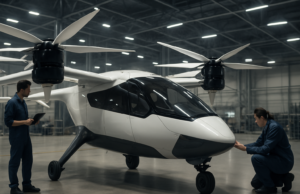
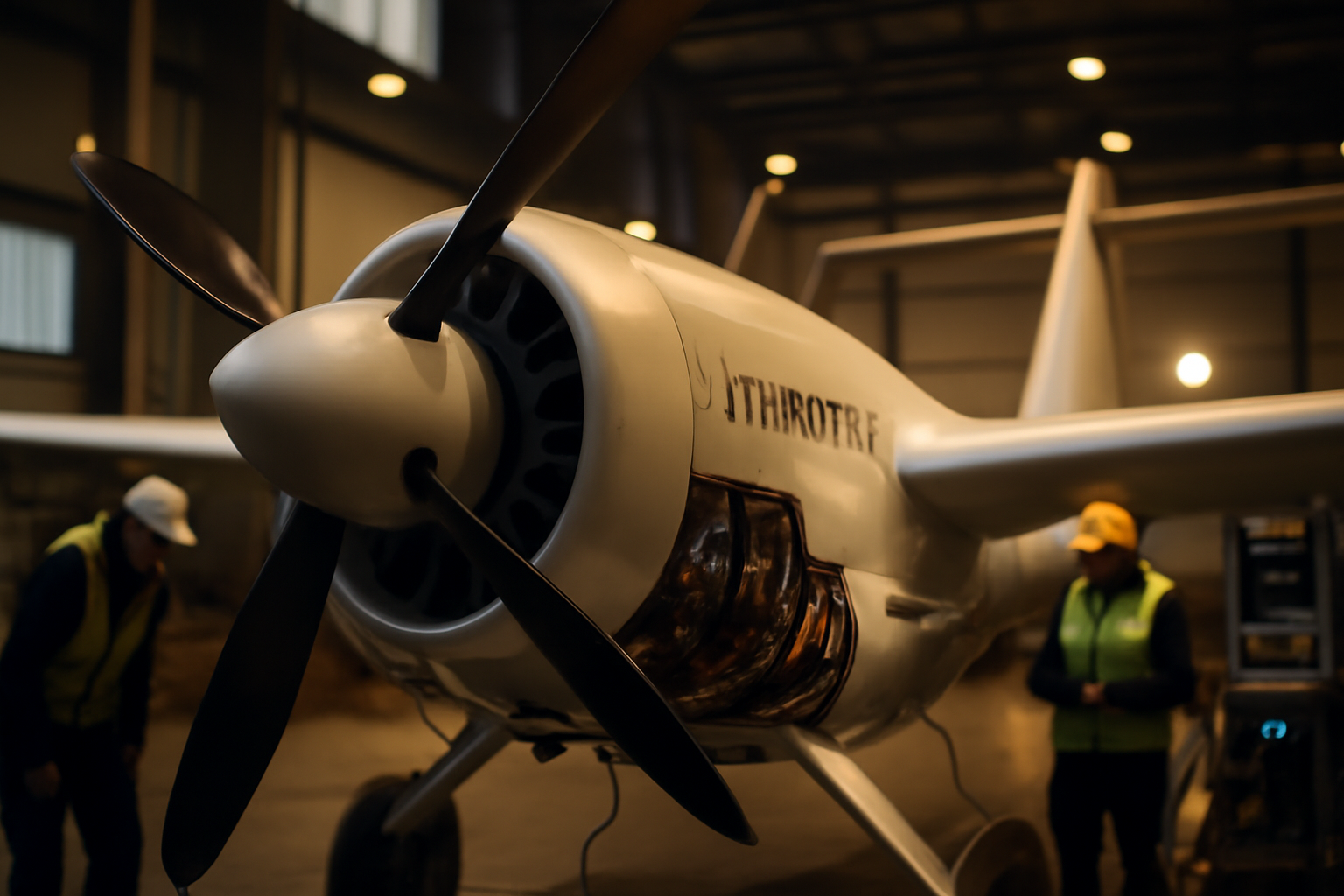
A groundbreaking milestone in electric aviation has been achieved with the successful maiden piloted flight of an aircraft powered by ultraquiet electric engines. This accomplishment represents a significant advancement in sustainable propulsion technology and brings the vision of quieter, cleaner urban air mobility closer to reality. The achievement was documented by FLYING Magazine and demonstrates that electric propulsion systems are no longer just theoretical concepts—they are operational aircraft technology ready for the next phase of aviation evolution.
The Ultraquiet Electric Engine Revolution
The development of ultraquiet electric aircraft engines represents a paradigm shift in how the aviation industry approaches noise reduction and environmental impact. Traditional combustion engines have dominated aviation for over a century, but electric motors offer fundamentally different acoustic characteristics that could transform the flying experience. These engines operate with significantly lower noise signatures than their conventional counterparts, addressing one of the most pressing environmental and regulatory concerns facing aviation.
Ultraquiet electric propulsion systems achieve their noise reduction through several mechanisms. The absence of combustion events eliminates the explosive shock waves that characterize traditional jet and piston engines. Electric motors also allow for optimized rotor blade designs and operating speeds that are inherently quieter, while advanced acoustic engineering further dampens residual noise sources. This multi-layered approach to noise mitigation opens possibilities for operations in environments previously off-limits to aircraft, including urban centers and residential areas.
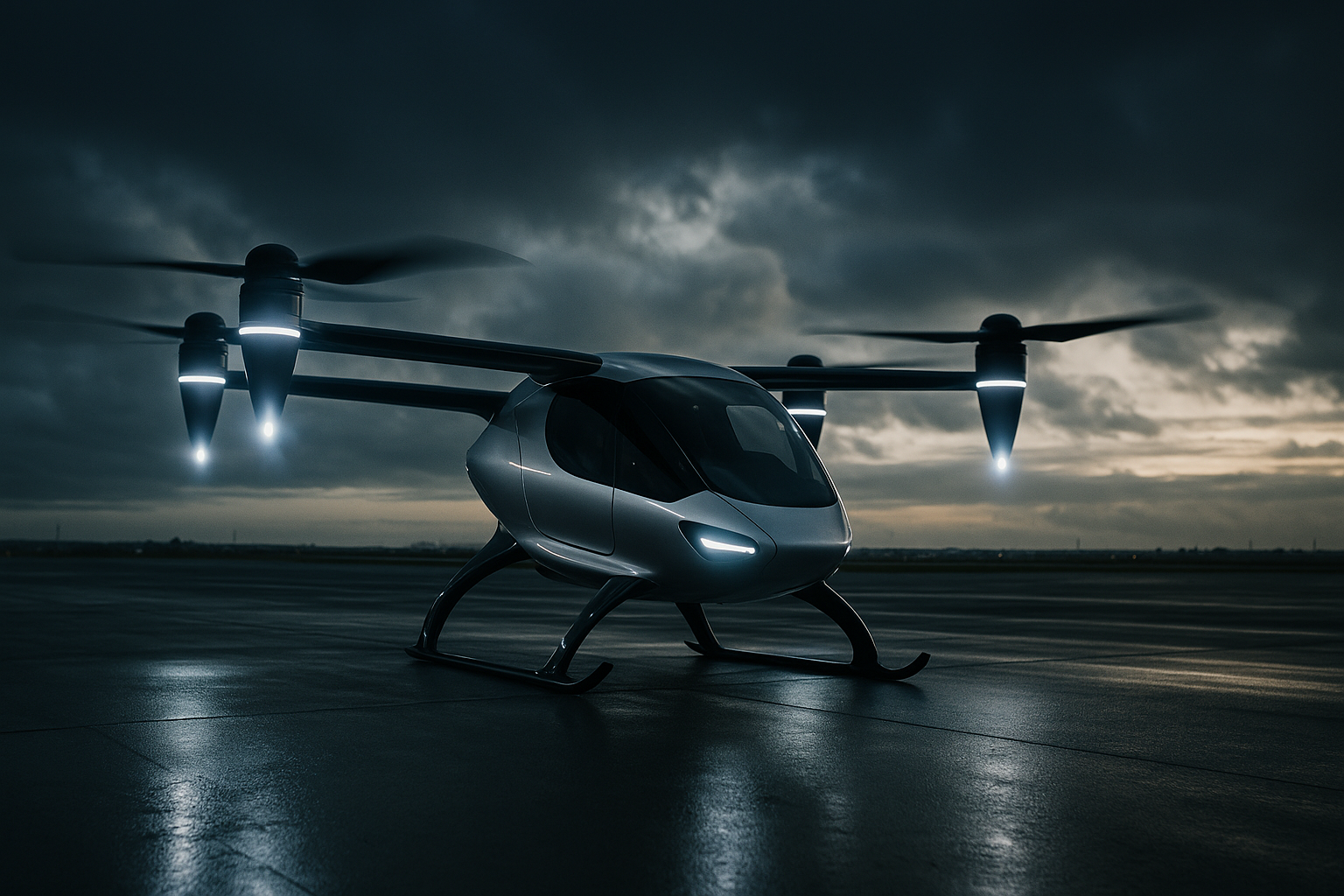
The implications for personal air mobility and urban air transportation are profound. Electric propulsion’s quiet operation addresses regulatory barriers that have historically prevented aircraft operations in noise-sensitive zones. This technological breakthrough could enable new business models, including point-to-point urban mobility services, medical transport, and emergency response operations that current aircraft cannot perform due to noise constraints.
First Piloted Flight: From Concept to Reality
The successful completion of the first piloted flight using ultraquiet electric engines represents the culmination of years of research, engineering, and rigorous testing. This milestone confirms that the theoretical advantages of electric propulsion can be translated into safe, reliable flight operations with human occupants aboard. The transition from unmanned testing and simulation to crewed flight is a critical validation point that accelerates the path toward commercial applications.
The inaugural piloted flight tested multiple aspects of electric propulsion system performance, including power delivery, thermal management, battery efficiency under load, and flight control integration. Pilots experienced firsthand the dramatically reduced noise levels compared to conventional aircraft, providing real-world confirmation of acoustic performance metrics. The successful completion of this flight demonstrates that electric powerplants can meet the stringent safety, reliability, and performance requirements demanded by crewed aviation.
This achievement also validates the supporting infrastructure and systems necessary for electric aircraft operations. Battery management systems, power distribution networks, thermal regulation, and emergency redundancy protocols all performed as designed. The collection of data from this historic flight will inform next-generation aircraft designs and help identify areas for further optimization.
Environmental and Regulatory Benefits
Electric aircraft engines eliminate direct emissions during flight operations, a critical advantage as aviation seeks to decarbonize and meet climate goals. When powered by electricity from renewable sources, these aircraft operate with zero in-flight emissions, representing a transformative step toward sustainable aviation. The regulatory community has increasingly prioritized low-emissions aircraft, and this technology directly addresses those mandates while improving air quality in and around airports.
The noise reduction capabilities of ultraquiet electric engines also unlock regulatory opportunities previously unavailable to aviation. Current regulations in many jurisdictions severely restrict aircraft operations during evening and night hours or near residential areas due to noise concerns. Electric aircraft that meet stricter acoustic standards could operate during expanded time windows and in proximity to populated areas, fundamentally changing the geographic and temporal constraints of aviation operations.
Beyond environmental metrics, the quieter operation of electric engines enhances quality of life for communities near airports and flight corridors. Reduced noise pollution has documented health benefits, including improved sleep quality, reduced stress, and better cardiovascular health. This human-centered benefit positions electric aviation as not just an environmental solution, but a public health improvement.
Implications for Urban Air Mobility and Future Development
The success of this piloted electric aircraft flight validates the technical feasibility of electric propulsion for a broad range of aviation applications, from small general aviation aircraft to larger regional aircraft. Urban air mobility operators, drone manufacturers, and eVTOL companies all benefit from this proof-of-concept, as it demonstrates that electric propulsion can reliably power human-carrying aircraft across multiple categories and mission profiles.
This breakthrough accelerates the timeline for commercial electric aircraft deployment. Airlines and operators can now plan with greater confidence for fleet electrification, knowing that the core technology has demonstrated safe, reliable performance in crewed operations. Manufacturers will likely accelerate development programs, investors will see reduced technological risk, and regulators can focus on safety certification rather than technology validation.
The ultraquiet operating characteristics also enable new applications previously impossible with conventional aircraft. Medical evacuation from remote locations, disaster relief operations, and emergency transport can now be conducted in noise-sensitive environments. Urban air mobility services can operate from vertiports in city centers without the acoustic impact that would be prohibitive for traditional helicopters or aircraft.
Key Takeaways
- First successful piloted flight of an aircraft with ultraquiet electric engines validates crewed electric propulsion technology as reliable and safe for aviation operations.
- Electric engines dramatically reduce noise pollution and operating emissions, enabling aircraft operations in urban areas and noise-sensitive zones previously off-limits to aviation.
- This milestone accelerates commercialization timelines for electric aircraft across multiple market segments, from urban air mobility to regional aviation.
The successful maiden piloted flight of an ultraquiet electric aircraft represents a watershed moment in aviation history. This achievement confirms that electric propulsion is not a distant future possibility, but a present-day reality capable of powering safe, reliable crewed aircraft operations. As the industry embraces this technology, we can expect rapid advancement in aircraft design, a significant reduction in aviation’s environmental and acoustic footprint, and the emergence of entirely new mobility possibilities. The future of aviation is electric, and it just flew into view.