HIGHLIGHTS
- Quiet, battery-powered eVTOL aircraft are currently undergoing flight testing across Texas with zero-emission operations and dramatically reduced noise pollution compared to conventional aircraft.
- Electric propulsion systems deliver superior efficiency, extended flight ranges, and simplified maintenance profiles that accelerate commercial readiness and reduce operational costs.
- Texas testing programs generate critical regulatory data supporting FAA certification while establishing the state as a strategic hub for sustainable urban air mobility development.
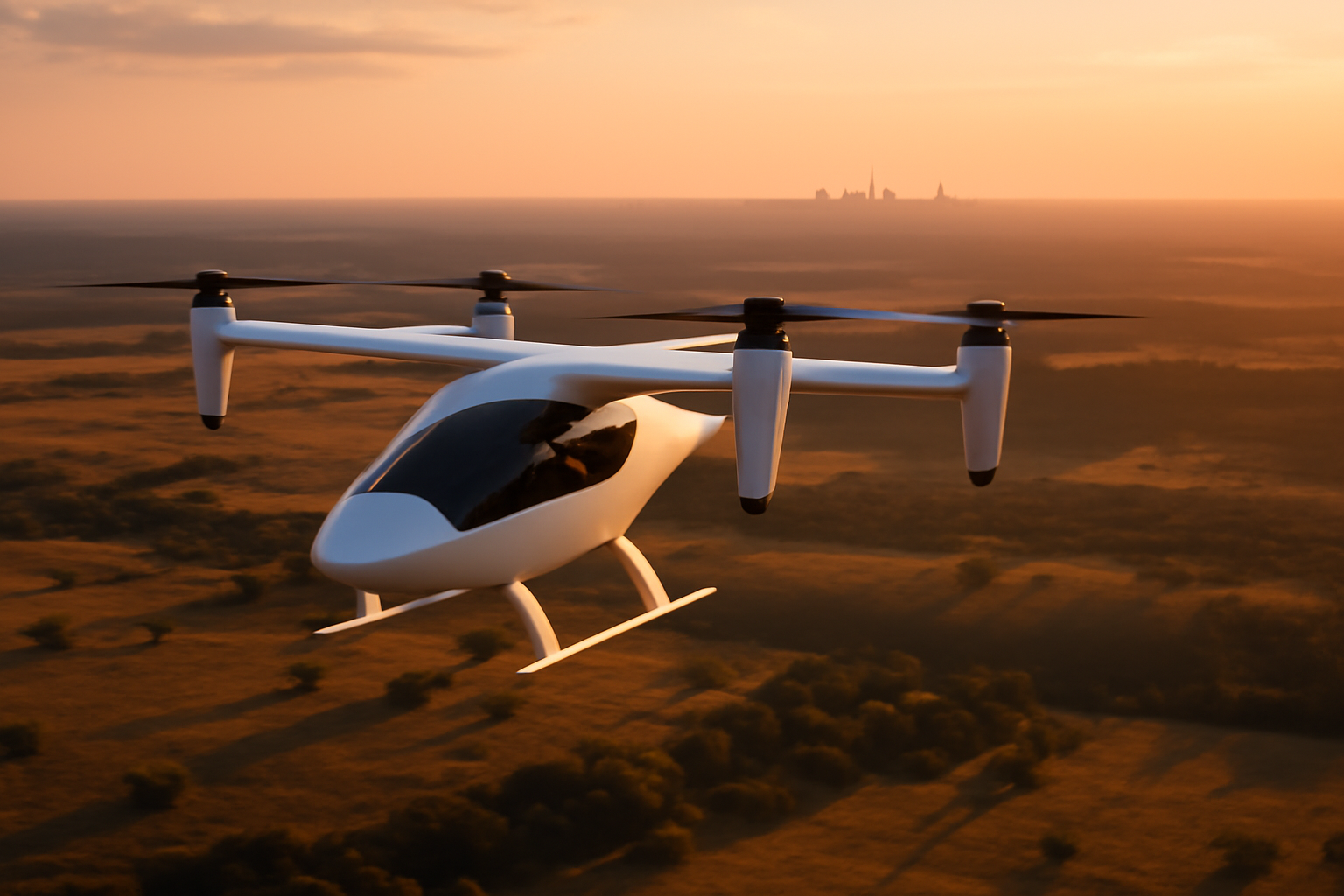
The skies above Texas are witnessing a quiet revolution. Battery-powered electric vertical takeoff and landing (eVTOL) aircraft are currently being tested across the state, representing a significant advancement in sustainable aviation technology. These silent, zero-emission aircraft are paving the way for a future where personal air mobility becomes an environmentally responsible transportation option.
The Rise of Battery-Powered Aviation in Texas
Texas has become an unexpected hub for eVTOL aircraft development and testing. The state’s vast airspace, favorable regulatory environment, and growing aerospace industry presence make it an ideal location for companies to conduct comprehensive flight trials. These battery-powered aircraft represent a departure from traditional combustion-engine aviation, offering a cleaner alternative to conventional regional air transport.
The testing programs underway in Texas involve advanced electric propulsion systems designed to minimize noise pollution while maximizing operational efficiency. Multiple developers are working simultaneously on different designs and configurations, each contributing unique innovations to the emerging eVTOL industry. This collaborative testing environment accelerates technological maturation across the sector.
The presence of established aerospace infrastructure in Texas, including testing facilities and airspace management expertise, provides the necessary foundation for rigorous eVTOL validation. Companies can access controlled environments where aircraft systems, battery performance, and autonomous features can be thoroughly evaluated before commercial deployment.
Technological Advantages of Electric Vertical Takeoff Systems
Battery-powered eVTOL aircraft offer multiple technological advantages over traditional rotorcraft and fixed-wing alternatives. The electric propulsion systems generate significantly less noise than conventional turbine engines, addressing one of the primary concerns for urban air mobility operations. This quiet operation opens possibilities for flights during extended hours and in noise-sensitive regions.
The efficiency gains from electric motors translate into reduced operational costs and extended flight ranges compared to earlier prototypes. Modern battery technology enables these aircraft to carry meaningful payloads while maintaining reasonable flight durations. Advanced battery management systems continuously optimize power distribution across multiple electric motors, ensuring balanced performance and safety margins throughout flight operations.
Regenerative capabilities in some eVTOL designs capture energy during descent phases, further extending flight endurance. The simplicity of electric drivetrains reduces mechanical complexity and maintenance requirements, contrasting sharply with the intricate demands of traditional aviation engines. This reliability improvement accelerates the path toward commercial certification and regular operations.
Environmental and Urban Planning Implications
Zero-emission aircraft testing in Texas signals a broader shift toward sustainable aviation practices. As these technologies mature, the environmental benefits extend beyond individual flights to encompass entire transportation ecosystems. Reduced carbon emissions and air pollution from personal air mobility could meaningfully contribute to state and national climate objectives.
Urban planners are beginning to envision transportation networks that integrate eVTOL operations with ground-based infrastructure. Quiet aircraft enable vertical takeoff and landing facilities in closer proximity to city centers, reducing ground transportation inefficiencies. Texas cities are strategically positioned to become early adopters of integrated air-ground mobility systems.
The successful testing of battery-powered aircraft also reduces noise-based objections to urban aviation development. Communities that previously resisted airspace expansion due to noise concerns may become more receptive to eVTOL infrastructure when quiet operation is demonstrated. This social acceptance is essential for scaling personal air mobility beyond niche applications.
Regulatory Progress and Commercial Readiness
Ongoing Texas flight trials contribute critical data to aviation authorities developing certification frameworks for eVTOL aircraft. The Federal Aviation Administration (FAA) and related regulatory bodies require extensive flight testing documentation before approving commercial operations. Each successful Texas test contributes to these regulatory requirements and accelerates the approval timeline.
The testing programs generate safety data, performance metrics, and operational procedures that inform certification standards. Regulatory agencies can establish evidence-based requirements that ensure safety without creating unnecessary barriers to market entry. Texas testing serves as a proving ground for establishing realistic, achievable certification pathways.
Companies operating in Texas demonstrate their commitment to transparent regulatory compliance and safety culture. This demonstrated responsibility builds confidence among aviation authorities and potential customers. Successful testing records become valuable assets when companies apply for commercial operating licenses and customer certifications.
Key Takeaways from Texas eVTOL Testing
- Battery-powered eVTOL aircraft are undergoing active flight testing in Texas, demonstrating significant noise reduction and zero-emission capabilities compared to traditional rotorcraft.
- Advanced electric propulsion systems provide efficiency gains, extended flight ranges, and simplified maintenance requirements that accelerate commercial viability and cost competitiveness.
- Successful Texas testing programs generate essential regulatory data while positioning the state as a leading hub for sustainable aviation innovation and personal air mobility infrastructure development.
The testing of battery-powered eVTOL aircraft in Texas marks an important milestone in the development of sustainable personal air mobility. As these silent, zero-emission aircraft complete their validation programs across the state, the pathway toward commercial deployment becomes increasingly clear. The combination of advanced battery technology, proven electric propulsion systems, and supportive regulatory environments creates optimal conditions for scaling eVTOL operations. Texas is demonstrating that the future of aviation can be quiet, clean, and technologically advanced—setting the stage for transformational changes in how people and cargo move through the skies.