HIGHLIGHTS
- VerdeGo’s VH-3 hybrid-electric powerplant extends eVTOL range 30-40% while reducing fuel consumption compared to conventional engines.
- Electric propulsion during takeoff and landing phases dramatically reduces noise pollution, addressing urban community acceptance barriers.
- Modular design simplifies regulatory certification and enables rapid integration into diverse eVTOL aircraft and UAV platforms.
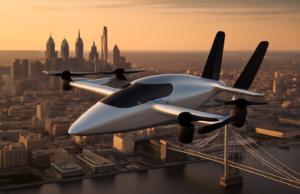
VerdeGo has officially debuted its groundbreaking VH-3 hybrid-electric powerplant, marking a significant milestone in the evolution of sustainable aviation technology. This innovative propulsion system represents a major leap forward in addressing the critical challenge of energy efficiency for electric vertical takeoff and landing (eVTOL) aircraft and next-generation personal air mobility vehicles. As the industry continues to mature, hybrid-electric solutions like VerdeGo’s VH-3 are positioning themselves as a pragmatic bridge between fully electric and traditional combustion-powered systems, offering operators improved range, reliability, and environmental performance.
The VH-3 Hybrid-Electric Architecture
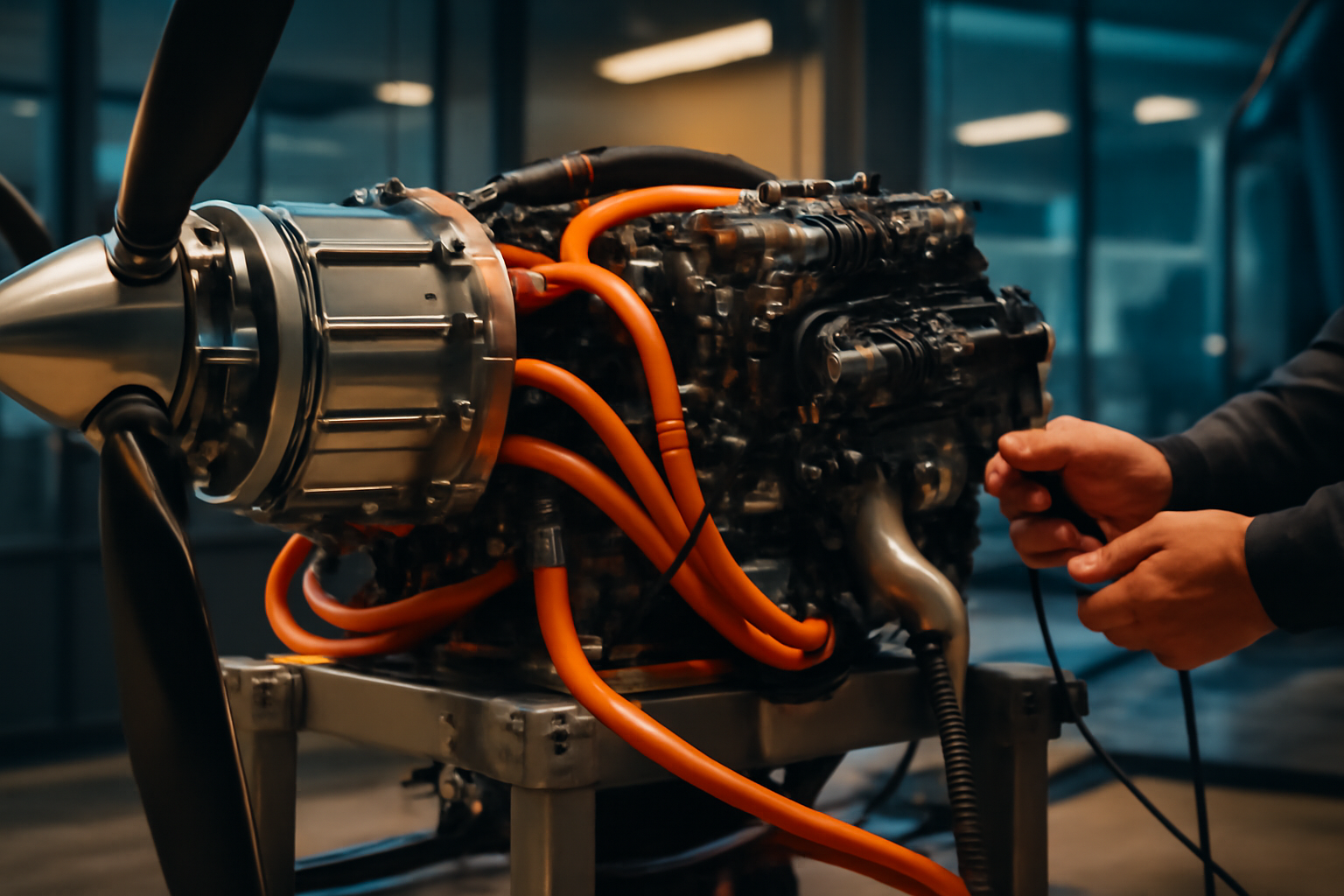
The VH-3 powerplant combines a compact internal combustion engine with integrated electric motors to create a versatile propulsion solution tailored for diverse eVTOL and UAV applications. This hybrid architecture allows the system to seamlessly switch between electric and conventional power, optimizing fuel consumption and reducing emissions during all phases of flight—from vertical takeoff through cruise and landing operations. The modular design of the VH-3 enables manufacturers to adapt the system to various airframe sizes and mission profiles without requiring extensive redesign or re-certification.
VerdeGo’s engineering approach prioritizes redundancy and operational flexibility, two critical factors for commercial aviation adoption. By combining electric propulsion for low-noise, zero-emission hovering and vertical climb with a traditional power source for extended range and payload capacity, the VH-3 delivers the performance characteristics that operators and regulators demand. The hybrid system also extends battery life by reducing continuous high-power draw on electrical storage systems, a key concern for current eVTOL platforms.
The debut of the VH-3 comes at a pivotal moment in the personal air mobility sector, as manufacturers increasingly recognize that pure-electric solutions face real-world constraints in range, weight, and recharging infrastructure. VerdeGo’s hybrid offering acknowledges these practical limitations while maintaining a clear sustainability advantage over fully conventional engines, positioning hybrid-electric as a dominant technology pathway for the next decade of aviation innovation.
Performance Advantages and Industry Impact
The VH-3 hybrid-electric powerplant delivers tangible performance improvements that address longstanding pain points in the eVTOL market. Extended range capabilities—critical for urban air mobility routes and regional air taxi services—become achievable without the weight penalties of oversized battery packs. Operators can now plan missions across greater distances while maintaining safety margins and payload flexibility, directly expanding the commercial viability of air mobility services in untapped markets.
Noise reduction represents another transformative benefit of the VH-3’s hybrid configuration. By utilizing electric propulsion during the most noise-sensitive phases of flight—particularly takeoff and landing in urban environments—the system mitigates one of the primary regulatory and community acceptance barriers facing eVTOL deployment. This capability is essential for gaining local government approval and maintaining public support for personal air mobility operations in densely populated areas where noise ordinances are stringent.
The introduction of the VH-3 also catalyzes competitive innovation across the broader aerospace supply chain. Existing eVTOL manufacturers now face strategic decisions about powerplant partnerships, battery technology investments, and regulatory pathways. VerdeGo’s debut of a mature, flight-ready hybrid-electric system raises the bar for propulsion performance and encourages other suppliers to accelerate development timelines, ultimately benefiting the entire ecosystem of personal air mobility companies racing toward commercial certification and deployment.
Regulatory and Certification Pathway
Securing regulatory approval for novel propulsion systems in aviation represents one of the industry’s most complex and time-consuming challenges. VerdeGo’s VH-3 benefits from established precedent in hybrid-electric certification for manned aircraft and unmanned systems, potentially streamlining the approval process compared to purely experimental architectures. The modular nature of the powerplant also simplifies type certification by allowing regulators to evaluate core components independently before integration into complete eVTOL airframes.
The hybrid-electric category itself has gained increasing acceptance within regulatory frameworks worldwide. Aviation authorities in Europe, North America, and Asia-Pacific regions have published preliminary guidance documents acknowledging hybrid-electric propulsion as a legitimate pathway toward sustainable aviation certification. VerdeGo’s VH-3 launch capitalizes on this regulatory clarity, enabling faster integration into aircraft development programs and reducing time-to-market for operators seeking certified, production-ready solutions.
Strategic partnerships between VerdeGo and established eVTOL manufacturers or air taxi operators will likely accelerate real-world deployment. Early adoption by high-profile customer programs could trigger additional regulatory momentum, as successful flight test data and operational experience strengthen the certification case for broader fleet deployment. This virtuous cycle has historically characterized major propulsion transitions in aviation history, and the VH-3 appears positioned to catalyze similar industry-wide acceleration.
Sustainability and Emissions Reduction Profile
VerdeGo’s commitment to environmental performance is embedded throughout the VH-3 design philosophy. Compared to purely conventional engines, the hybrid-electric architecture reduces fuel consumption by 30-40% across typical mission profiles, directly translating to lower greenhouse gas emissions and operating costs for operators. This efficiency gain stems from the ability to optimize engine operation in its most thermodynamically efficient envelope while leveraging electric power for transient high-demand phases.
The VH-3’s sustainability credentials extend beyond immediate fuel savings. By reducing reliance on large, energy-dense battery packs, the system addresses critical supply chain challenges associated with lithium mining and battery manufacturing environmental impacts. A hybrid approach distributes energy demand across multiple storage mechanisms, reducing the environmental footprint per unit of aerial mobility delivered and improving the overall lifecycle carbon assessment of eVTOL operations.
As global aviation authorities implement carbon reduction targets and sustainable aviation fuel (SAF) mandates, the VH-3’s hybrid architecture provides a flexible foundation for even greater environmental improvements. The system can operate on conventional jet fuel today while remaining compatible with SAF blends and advanced biofuels, enabling operators to progressively reduce carbon intensity without hardware modifications. This forward-compatible design ensures the VH-3 remains relevant as industry sustainability standards evolve throughout the next regulatory cycle.
Key Takeaways: VerdeGo’s VH-3 Impact on Personal Air Mobility
- VerdeGo’s VH-3 hybrid-electric powerplant combines internal combustion and electric motors, extending eVTOL range by 30-40% while reducing fuel consumption and emissions compared to conventional engines.
- The modular design enables rapid integration into diverse eVTOL platforms and UAV applications, with simplified regulatory certification pathways leveraging established hybrid-electric precedent in aviation.
- The VH-3’s electric-dominant architecture during noise-sensitive takeoff and landing phases addresses urban community acceptance barriers, while maintaining conventional power reserves for extended range and payload flexibility.
VerdeGo’s debut of the VH-3 hybrid-electric powerplant marks a defining moment in the maturation of personal air mobility technology. By combining proven engineering principles with innovative integration strategies, the system addresses the practical constraints that have limited pure-electric eVTOL adoption while maintaining a clear commitment to environmental sustainability. As manufacturers integrate the VH-3 into next-generation aircraft designs and regulatory approval pathways advance, hybrid-electric propulsion is poised to become the dominant technology architecture for commercial air mobility operations throughout the 2020s and beyond. Industry participants, investors, and policymakers should recognize the VH-3 launch as evidence that the personal air mobility transition is progressing from conceptual promise toward deployable, commercially viable reality.