HIGHLIGHTS
- Flyte takes a differentiated approach to the air taxi market, prioritizing operational efficiency and pragmatic business models over the aggressive expansion strategies of traditional eVTOL competitors.
- The company’s strategy incorporates lessons from aviation history, including DayJet’s two-decade operational experience, to avoid repeating costly mistakes in air transportation ventures.
- Flyte’s measured approach to regulatory navigation and selective market deployment signals a maturing air mobility industry focused on sustainable profitability rather than rapid scaling.
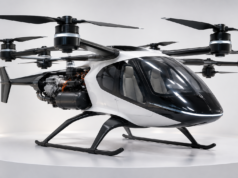
The air taxi market is crowded with competitors vying for dominance, but one company is taking a different path. Flyte, emerging as a fresh entrant in the personal air mobility space, is charting a unique course that sets it apart from the conventional eVTOL manufacturers racing to commercialize urban aviation. Rather than following the well-trodden playbook of established competitors, Flyte is focusing on a strategy that prioritizes operational efficiency, cost-effectiveness, and practical deployment timelines.
The Market Context and Flyte’s Strategic Positioning
The electric vertical takeoff and landing (eVTOL) industry has witnessed explosive growth over the past five years, with billions in investment flowing into companies developing next-generation aircraft. However, the path to profitability and sustainable operations remains unclear for many manufacturers. Flyte recognizes that simply building advanced aircraft is insufficient; the real challenge lies in creating a viable business model that addresses the economics of urban air mobility.
Flyte’s differentiated approach reflects a maturation in industry thinking. While competitors focus on technological innovation and spectacular demonstrations, Flyte is examining the fundamentals of air taxi operations. This includes analyzing route optimization, regulatory pathways, infrastructure requirements, and the actual demand profiles for point-to-point air transportation in target markets. By addressing these operational realities early, Flyte positions itself as a pragmatic player in an industry often dominated by aspirational marketing.
The company’s strategic positioning also acknowledges lessons from previous aviation ventures. The DayJet reference in industry discussions serves as a historical marker—a reminder that innovation alone does not guarantee success in air transportation. DayJet operated for nearly two decades before ceasing operations, demonstrating that even pioneering companies must overcome substantial operational and financial hurdles to sustain long-term viability.
Operational Efficiency as a Competitive Advantage
At the core of Flyte’s differentiated strategy is an unwavering commitment to operational efficiency. The company recognizes that the air taxi market will ultimately be won by operators who can deliver consistent, reliable, and cost-effective service to customers. This requires more than just building aircraft; it demands integration of aircraft design, maintenance protocols, operational procedures, and customer experience into a cohesive whole.
Flyte’s approach likely includes designing aircraft with maintenance simplicity in mind, developing standardized operational procedures that minimize downtime, and creating business models that optimize aircraft utilization rates. These practical considerations often receive less fanfare than cutting-edge avionics or revolutionary designs, but they are crucial to achieving profitability. By prioritizing efficiency, Flyte signals to investors and partners that it understands the realities of running an air transportation service.
The focus on efficiency also extends to regulatory navigation. Flyte appears to be taking a measured approach to certification and approval processes, rather than pushing aggressive timelines that might compromise safety standards or create operational friction. This pragmatic stance could prove advantageous as the regulatory environment for eVTOL operations continues to evolve and mature.
Learning from Aviation History
The implicit reference to DayJet’s two-decade operational history underscores an important reality in aviation: longevity and profitability are more challenging to achieve than initial market entry. DayJet pioneered the air taxi concept, demonstrating both the feasibility and the constraints of on-demand air transportation. While DayJet ultimately ceased operations due to various market and operational factors, the lessons from its experience remain invaluable to the current generation of air mobility companies.
Flyte appears to have absorbed these lessons. Rather than rushing to launch operations in every available market, the company is likely taking a more deliberate approach to market selection and deployment. This includes identifying routes and markets where air taxi services have the strongest demand fundamentals and where regulatory frameworks are most conducive to operations. This selectivity, while perhaps less exciting than aggressive expansion plans, reduces the risk of overextending resources in unprofitable markets.
The company’s strategy also likely incorporates flexibility in its business model. As regulatory requirements, customer preferences, and market dynamics continue to evolve, Flyte’s operational framework appears designed to adapt rather than remain rigid. This adaptability could prove crucial in an industry where technological and regulatory changes occur rapidly.
The Broader Implications for Air Mobility
Flyte’s differentiated approach signals a maturation in the air mobility industry. Early-stage enthusiasm and venture capital abundance led many companies to pursue aggressive timelines and optimistic business projections. However, as the industry has evolved, more sophisticated investors and industry participants recognize that sustainable success requires operational excellence, realistic timelines, and pragmatic business models.
This shift in strategy across the industry reflects a deeper understanding of what it takes to build a lasting company in aviation. The economics of air transportation are complex, regulatory hurdles are substantial, and customer adoption requires not just innovative aircraft but reliable, affordable, and convenient service. Flyte’s emphasis on these fundamentals positions the company as a serious participant in the race to establish viable air taxi networks.
The emergence of companies like Flyte also suggests that the air taxi market will not be winner-take-all. Instead, multiple operators will likely coexist, each serving different market segments, geographic regions, and operational niches. This plurality of approaches—from fully autonomous services to hybrid models, from global platforms to regional operators—will enrich the air mobility ecosystem and accelerate adoption across diverse markets.
Flyte’s Path Forward in a Competitive Landscape
Looking ahead, Flyte’s success will depend on its ability to execute on its operational strategy while staying attuned to market developments and regulatory changes. The company must navigate the delicate balance between innovation and practicality, between ambition and realism. This is where Flyte’s differentiated approach provides a framework for decision-making that prioritizes sustainable growth over rapid scaling.
The air taxi market remains in its formative stages, with enormous potential but significant uncertainties. Companies that recognize and address these uncertainties early—through operational planning, regulatory engagement, and customer research—position themselves for success. Flyte’s strategy suggests it understands these challenges and is taking a measured, thoughtful approach to entering and establishing itself in this emerging market.
As the industry continues to evolve, companies that take pragmatic, operationally-focused approaches like Flyte’s may prove to be the real winners. While flashy demonstrations and aggressive marketing capture headlines, it is the unglamorous work of building reliable operations, understanding customer needs, and creating sustainable business models that ultimately determines which companies thrive in the air taxi industry.
Key Takeaways
- Flyte differentiates itself by prioritizing operational efficiency and pragmatic business models rather than following conventional eVTOL development playbooks.
- The company’s strategy reflects lessons from aviation history, including DayJet’s experience, emphasizing sustainable long-term operations over rapid market expansion.
- Flyte’s measured approach to regulatory navigation, market selection, and business model flexibility positions it as a serious contender in the emerging air taxi market.