HIGHLIGHTS
- DTA secures 28 firm reservations for the JP1 eVTOL aircraft, providing financial runway and market validation for the air mobility startup’s development roadmap.
- April 2027 US flight testing confirmed, signaling FAA approval for experimental operations and positioning JP1 among leading contenders for North American certification.
- DTA establishes competitive momentum in the commercial eVTOL race with paying customers and validated testing schedule, accelerating the path to certification and first deliveries.
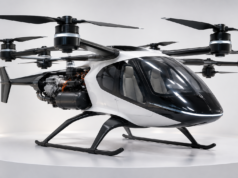
DTA has announced a significant milestone in its development roadmap, securing 28 firm reservations for its JP1 electric vertical takeoff and landing (eVTOL) aircraft. The company has also confirmed that it will conduct critical flight testing in the United States beginning in April 2027. This achievement represents substantial momentum as DTA progresses from design and simulation phases toward real-world aircraft validation, bringing the company closer to eventual commercial operations and delivery timelines.
DTA’s JP1 eVTOL Program Gains Traction with Market Interest
The JP1 has emerged as one of the most anticipated next-generation eVTOL designs, combining advanced battery technology with innovative aircraft architecture. DTA’s ability to secure 28 firm reservations demonstrates genuine market confidence in the vehicle’s performance specifications, design philosophy, and the company’s execution capability. These reservations represent commitments from both private operators and commercial entities eager to integrate electric vertical mobility into their transportation networks.
The interest in the JP1 reflects broader industry trends favoring practical, efficient urban and regional air mobility solutions. DTA’s engineering approach prioritizes safety, reliability, and payload capacity—factors that resonate with potential customers evaluating eVTOL platforms for real-world deployment. The diversity of reservation holders suggests the aircraft’s versatility across multiple use cases, from emergency medical services to corporate transport and logistics operations.
With 28 reservations now secured, DTA has established a financial foundation that supports accelerated development timelines and manufacturing scaling. This customer commitment also provides valuable market validation as the company negotiates with regulators and secures the certifications necessary for commercial operations in North America and beyond.
April 2027 US Flight Tests Signal Regulatory Progress
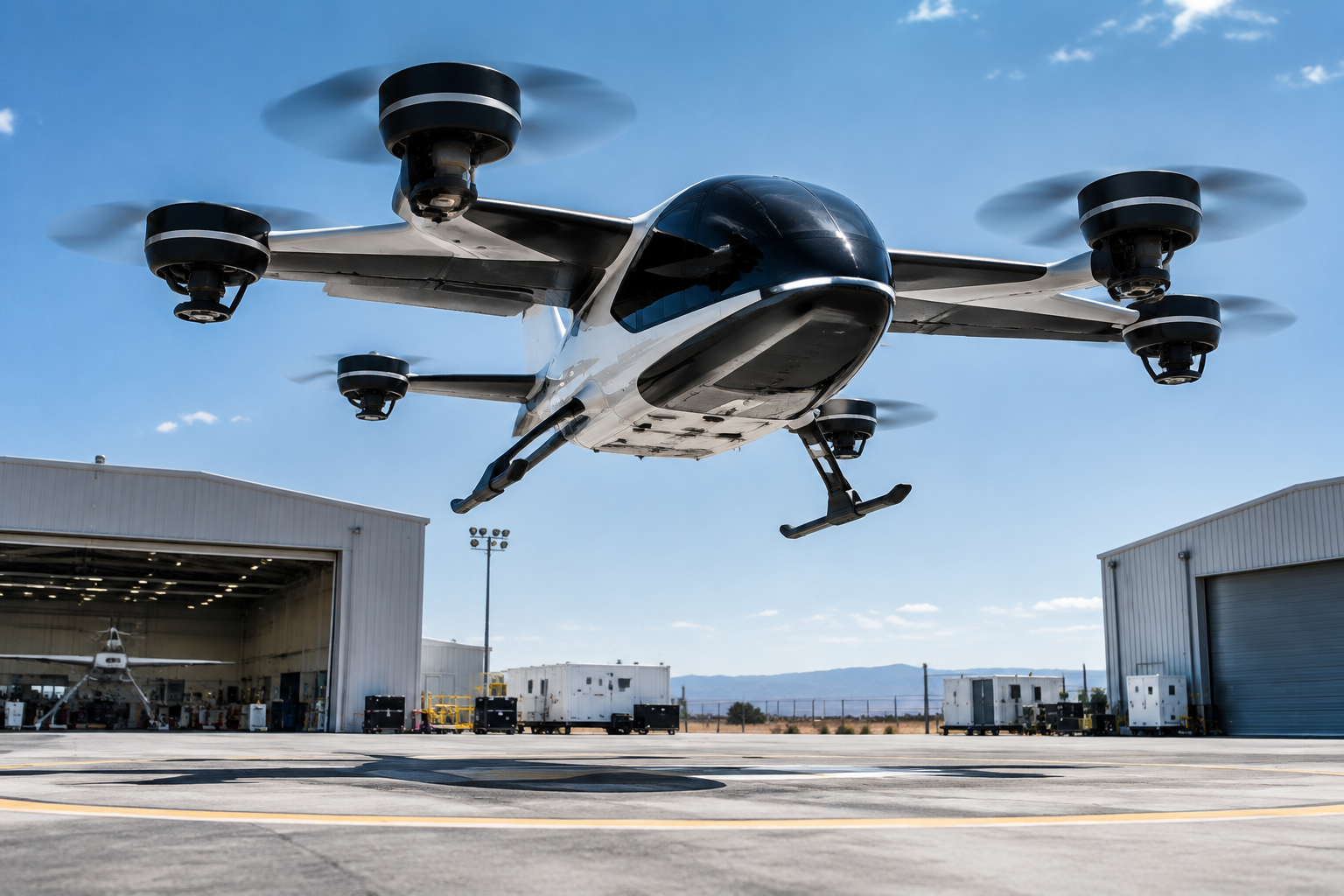
The scheduled April 2027 flight testing in the United States represents a critical inflection point for the JP1 program. These tests will focus on validating the aircraft’s core performance characteristics, including hover stability, vertical climb rates, horizontal cruise efficiency, and battery thermal management during extended operations. US flight testing also signals that DTA has secured necessary experimental airworthiness certificates and approval from the Federal Aviation Administration (FAA) to conduct operations in controlled airspace.
Flight testing in the US market—rather than in more permissive international jurisdictions—underscores DTA’s confidence in its design maturity and regulatory readiness. The FAA has established increasingly clear pathways for eVTOL certification through its Special Conditions and means of compliance processes. By targeting US testing rather than outsourcing to international locations, DTA demonstrates commitment to the North American market and positions the JP1 as a domestically developed solution aligned with FAA standards.
These tests will generate crucial data on vehicle performance, pilot interface ergonomics, emergency procedures, and systems redundancy. The results will directly inform both DTA’s final certification documentation and the operational profiles the company intends to pursue post-certification, whether for initial cargo operations, low-density markets, or urban air mobility services in designated corridors.
Market Implications and Competitive Positioning
DTA’s reservation momentum and testing timeline place it among the leading developers in the eVTOL race, joining Joby Aviation, Archer Aviation, Lilium, and Beta Technologies in pursuing FAA Type Certification. The company’s ability to attract 28 paying reservations signals that market demand for practical air mobility solutions extends beyond enthusiast interest into genuine commercial commitment. These customers represent real capital behind the technology, providing DTA with revenue certainty as it scales manufacturing operations.
The April 2027 testing schedule also creates competitive urgency across the eVTOL ecosystem. Multiple developers are targeting 2026-2027 for initial flight testing, making this a pivotal period for validating competing designs and narrowing the field of viable platforms. DTA’s progress contrasts sharply with some competitors facing development delays, funding pressures, or shifting regulatory environments, positioning the company favorably within investor and customer perception.
The JP1’s market positioning likely targets regional air mobility markets where demand is high but infrastructure limitations favor short-takeoff aircraft over conventional helicopters. DTA’s focus on US flight testing and North American reservations suggests a primary market focus on North America, with potential international expansion following initial certification and operational proving.
Path to Commercial Operations and Manufacturing Scale
Securing 28 reservations obligates DTA to establish manufacturing capacity, supply chain partnerships, and operational support infrastructure before first customer deliveries. These commitments typically occur 18-24 months post-certification, meaning the company must finalize production design, select manufacturing partners, and begin tooling within the next 12-18 months. The April 2027 flight tests will provide essential performance data that directly influences manufacturing specifications and operational training requirements.
DTA’s reservation model also provides capital for facility establishment and workforce development. Electric aircraft manufacturing requires specialized expertise in battery systems, high-voltage electrical integration, and composite structures—skillsets that remain in high demand across the aerospace sector. The company’s ability to attract talent and establish efficient production processes will directly impact its ability to deliver the reserved aircraft within committed timeframes and maintain profitability.
With 28 confirmed customers already committed, DTA has clear line-of-sight to early commercial success. The company’s financial runway extends beyond the flight testing phase into the critical certification and first-delivery window. This positions DTA to weather the inevitable technical challenges and regulatory adjustments that emerge during certification, without facing the existential financial pressures that have constrained some competitors.
Key Takeaways from DTA’s JP1 Milestone
- DTA has secured 28 firm reservations for its JP1 eVTOL aircraft, demonstrating substantial market confidence in the platform and providing financial backing for accelerated development and manufacturing scale-up.
- Scheduled April 2027 US flight testing signals FAA approval for experimental operations and positions the JP1 among leading contenders for North American eVTOL certification, with critical validation of performance and systems redundancy.
- The combination of 28 paying customers and US-based flight testing establishes DTA as a serious competitor in the commercial eVTOL race, with clear capital runway toward certification, manufacturing, and first customer deliveries.
DTA’s announcement reinforces that the eVTOL industry has progressed from speculative development into genuine commercial commitment. With 28 reservations secured and US flight testing scheduled for April 2027, the company has crossed critical thresholds that separate serious contenders from speculative ventures. The JP1 program now enters its validation phase, where real-world performance data will determine competitive positioning and market adoption timelines. For the broader air mobility ecosystem, DTA’s progress signals that commercial electric vertical flight is no longer a distant future prospect—it is an imminent reality with paying customers, regulatory pathways, and defined timelines driving rapid advancement toward operational deployment.