HIGHLIGHTS
- Archer Aviation has released a comprehensive roadmap for bringing eVTOL aircraft into commercial service, emphasizing regulatory partnerships, battery innovation, and ecosystem development.
- Next-generation battery technology and range improvements are central to Archer’s strategy for expanding mission capabilities and reducing operational costs in urban air mobility.
- Archer’s plan includes vertiport infrastructure partnerships, pilot training programs, and active FAA/regulatory engagement to ensure coordinated, safe commercialization across all system components.
Archer Aviation has officially unveiled its strategic vision for the future of electric vertical takeoff and landing (eVTOL) aircraft, marking a pivotal moment in the race to bring advanced air mobility into everyday service. As one of the industry’s most closely watched developers, Archer’s announcement provides critical insight into how manufacturers plan to transition eVTOL technology from the testing phase into reliable, commercially viable operations. The company’s roadmap addresses the key challenges facing the sector: regulatory approval, operational scaling, battery technology maturation, and infrastructure development needed to support a new era of urban air transportation.
Archer’s Strategic Path to eVTOL Commercialization
Archer Aviation has clearly outlined a multi-phase approach to bringing its eVTOL aircraft to market with a focus on regulatory compliance and operational readiness. The company recognizes that success hinges not just on aircraft performance, but on building the entire ecosystem required for sustained operations. This includes working closely with aviation authorities, establishing maintenance protocols, training pilot candidates, and securing the necessary certifications that will allow flights to operate safely alongside traditional aviation infrastructure.
The timeline for Archer’s commercialization efforts reflects realistic expectations for the eVTOL sector. Rather than rushing to launch services prematurely, the company is investing in comprehensive testing programs that demonstrate aircraft reliability under diverse operational conditions. This methodical approach builds confidence among regulators, investors, and potential customers that eVTOL aircraft can achieve the same safety standards currently demanded of commercial aviation.
Archer’s vision extends beyond its own aircraft design to encompass the broader infrastructure requirements for urban air mobility. The company is actively engaging with cities, airports, and transportation authorities to identify vertiport locations, develop charging networks, and integrate air mobility into existing transportation systems. This holistic perspective suggests that Archer understands eVTOL commercialization depends on creating a complete transportation ecosystem rather than simply delivering individual aircraft.
Battery Technology and Range Advancements
A cornerstone of Archer’s roadmap involves continuous improvements in battery technology and energy density, which directly impact aircraft range, payload capacity, and operational efficiency. Current eVTOL designs are optimized for short- to medium-range urban flights, but Archer is investing in next-generation battery systems that could extend mission capabilities and open new use cases beyond city center transportation. These developments are critical to reducing operating costs per flight and improving profitability for commercial operators.
The company’s approach to battery development reflects industry-wide recognition that energy storage remains the primary constraint on eVTOL performance. By partnering with leading battery manufacturers and investing in proprietary thermal management systems, Archer is working to improve charge cycles, reduce weight penalties, and enhance safety margins. These incremental improvements compound over time, transforming eVTOL aircraft from niche experimental vehicles into practical alternatives to ground-based transportation.
Archer’s battery roadmap also addresses the environmental case for eVTOL adoption. As battery technology improves in energy density and charging efficiency, the carbon footprint of eVTOL operations decreases substantially compared to traditional helicopter or fixed-wing aircraft. This environmental advantage positions eVTOL as a sustainability solution for cities looking to reduce aviation emissions and transition toward cleaner transportation modes.
Regulatory Partnerships and Certification Strategy
Archer has emphasized its collaborative relationship with aviation regulators, particularly the FAA and international authorities, to establish certification pathways that balance innovation with safety. The company’s regulatory strategy focuses on demonstrating that eVTOL aircraft meet or exceed existing safety standards for piloted aircraft while establishing new performance metrics specific to electric vertical flight. This collaborative approach accelerates certification timelines while maintaining the rigorous oversight that public confidence in aviation safety demands.
The company’s engagement with regulators extends to developing special flight authorization procedures that allow expanded testing and demonstration flights during the pre-certification phase. These partnerships reduce regulatory uncertainty and provide early validation that eVTOL concepts can function safely within existing airspace frameworks. Archer’s proactive regulatory strategy serves as a model for other manufacturers navigating the complex intersection of innovation and safety compliance.
International regulatory harmonization represents another focus area for Archer’s strategy. Since eVTOL aircraft are being developed and tested globally, establishing consistent certification standards across regions—including EASA in Europe, Transport Canada, and other aviation authorities—creates a framework for true global commercialization. Archer’s participation in these regulatory discussions influences international standards and positions the company favorably for multi-market deployment once certification is achieved.
Infrastructure, Vertiports, and Operational Logistics
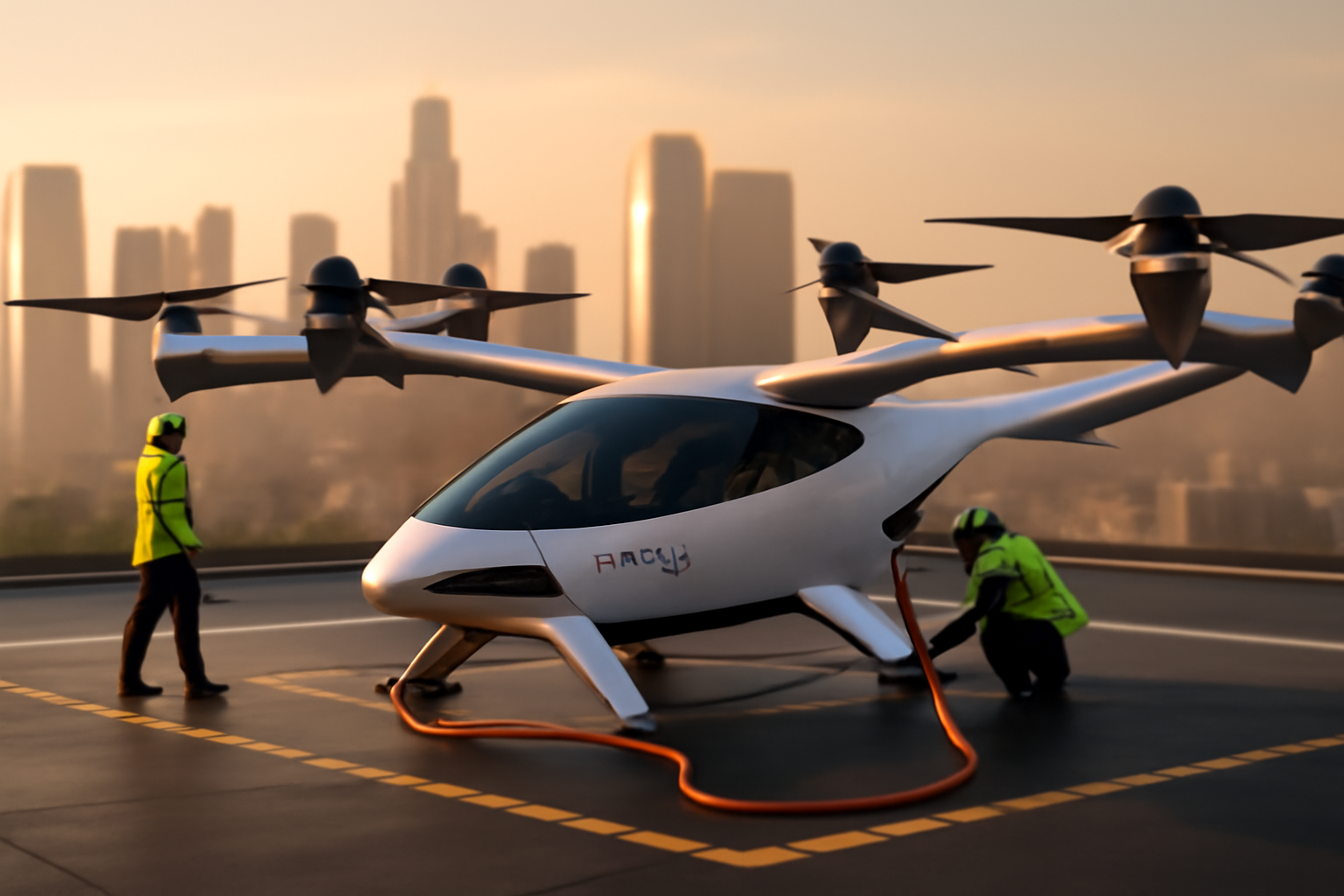
Beyond aircraft development, Archer’s vision encompasses the complete ground infrastructure necessary for eVTOL operations. Vertiports—specialized facilities combining landing pads, charging systems, passenger amenities, and maintenance hangars—represent a substantial capital investment and require coordination with real estate developers, urban planners, and local governments. Archer’s roadmap details how the company plans to partner with infrastructure developers to build vertiport networks in target markets, ensuring that aircraft availability matches infrastructure readiness.
The company’s approach to vertiport design reflects lessons learned from decades of helicopter operations while incorporating innovations specific to electric aircraft. Vertiports must support rapid turnaround times, manage noise considerations acceptable to urban environments, and integrate seamlessly with ground transportation hubs. Archer’s involvement in vertiport development demonstrates that successful eVTOL commercialization requires expertise spanning aircraft engineering, real estate development, and urban logistics.
Operational logistics also encompass pilot training, maintenance protocols, and air traffic management integration. Archer is working with aviation training organizations to develop curricula for eVTOL pilots and maintenance technicians, ensuring a skilled workforce is available when commercial operations begin. The company’s training initiatives position Archer as an industry leader committed to long-term operational sustainability rather than a one-time aircraft delivery vendor.
Key Takeaways from Archer’s eVTOL Vision
- Archer has published a comprehensive roadmap for scaling eVTOL aircraft into commercial service, emphasizing regulatory compliance, battery advancement, and ecosystem development over rapid deployment.
- The company’s battery technology initiatives aim to extend aircraft range and payload capacity, directly improving operational economics and use-case viability for urban air mobility.
- Archer’s multi-faceted approach includes vertiport infrastructure partnerships, pilot training programs, and active engagement with aviation regulators to ensure coordinated commercialization across all system components.
Archer Aviation’s vision for eVTOL aviation’s future underscores that commercialization success depends on careful orchestration across aircraft design, regulatory frameworks, infrastructure development, and operational readiness. The company’s strategic roadmap suggests the eVTOL sector is maturing beyond hype into serious, disciplined execution focused on delivering reliable, safe, and economically viable air mobility services. As Archer progresses toward regulatory certification and operational deployment, the aviation industry and urban planners worldwide are watching closely to understand how eVTOL technology will reshape transportation in the coming decade.