HIGHLIGHTS
- Fixed-wing aircraft without VTOL capabilities are emerging as a viable alternative to traditional eVTOL designs in the personal air mobility market.
- Vertical takeoff and landing technology is no longer seen as an absolute requirement for commercial electric aircraft to succeed in urban environments.
- The market shift reflects engineering tradeoffs favoring range, payload capacity, and cost efficiency over zero-distance launch capabilities.
The personal air mobility industry has long been dominated by a singular vision: electric vertical takeoff and landing aircraft that could launch from rooftops and land without a runway. However, according to recent reporting from Aero-News Network, a significant shift is underway in the market. Fixed-wing aircraft without vertical takeoff capability are gaining traction, challenging the conventional wisdom that VTOL functionality is essential for the future of urban air mobility. This trend marks a pivotal moment where engineering pragmatism is beginning to outweigh the romance of hover-and-land technology.
The Rise of Fixed-Wing Alternative Designs
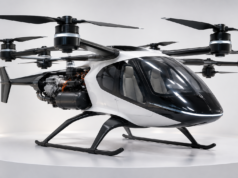
For years, eVTOL has been the default acronym in personal air mobility discussions. The concept of an electric aircraft that can take off vertically, transition to forward flight, and land without requiring a runway captures the imagination of investors, regulators, and consumers alike. Yet the reality of achieving reliable, efficient, and cost-effective VTOL technology has proven far more complex than early pioneers anticipated. As development programs have matured and engineering teams have encountered real-world performance constraints, a growing number of manufacturers are reconsidering whether vertical takeoff and landing truly serves every market segment within urban air mobility.
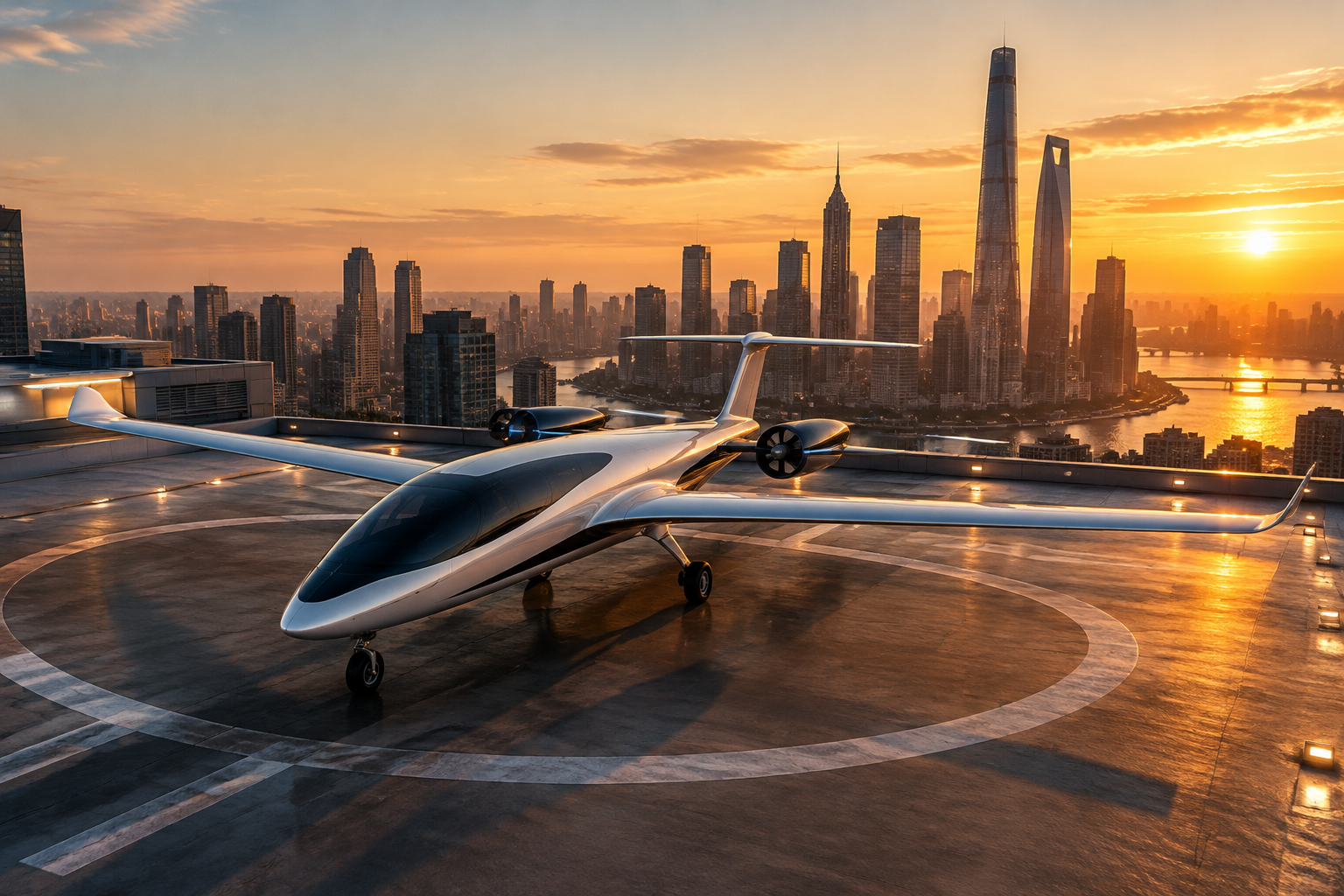
Fixed-wing aircraft present a fundamentally different approach. By eliminating the mechanical and aeronautical complexity of transitional vertical-to-horizontal flight, engineers can focus resources on maximizing range, payload capacity, and battery efficiency. These aircraft require a short runway or dedicated takeoff area—but not necessarily the elaborate infrastructure that traditional aviation demands. Think of them as a bridge between conventional aviation and revolutionary air mobility: electric-powered, quieter than combustion engines, and designed for rapid deployment from limited landing zones.
Aero-News Network’s recent coverage highlights that this design philosophy is resonating with a segment of the market that values practicality over cutting-edge novelty. Operators and customers are beginning to ask whether a fixed-wing aircraft departing from a 500-meter strip—or even shorter with modern electric propulsion and lightweight composites—might actually solve their mobility challenges more cost-effectively than waiting for mature VTOL platforms.
Engineering Tradeoffs: Why VTOL Isn’t Always the Answer
The decision to pursue fixed-wing architecture over eVTOL involves fundamental engineering tradeoffs that reshape the economics and performance envelope of electric aircraft. Vertical takeoff and landing systems require multiple rotating elements—whether distributed electric rotors or tiltable ducted fans—that add significant weight, complexity, and energy consumption. Every kilogram of structure dedicated to VTOL capability is mass that cannot be allocated to battery, avionics, or payload. In some mission profiles, this penalty proves prohibitive.
Range is perhaps the most obvious advantage of fixed-wing design. A sleek, low-drag airframe optimized for horizontal flight can travel substantially farther on an equivalent battery pack than a VTOL aircraft must hover and maneuver. For operators planning regional commutes, cargo transport, or multi-stop service routes, fixed-wing efficiency becomes a compelling commercial advantage. Battery technology, while improving rapidly, remains the primary constraint on electric aviation. Extracting maximum range from available energy density directly translates to operational flexibility and revenue potential.
Cost considerations further reinforce the fixed-wing case for certain applications. Designing, testing, certifying, and manufacturing VTOL systems represents a significantly higher barrier to market entry than fixed-wing alternatives. Simpler airframes can be produced more rapidly, iterate through design cycles faster, and achieve regulatory approval on a more compressed timeline. For manufacturers racing to establish market presence and achieve profitability, the fixed-wing path offers a pragmatic shortcut that doesn’t sacrifice the core value proposition of electric, zero-emission personal air mobility.
Regulatory Pathways and Market Readiness
Regulators worldwide have invested considerable effort in developing certification frameworks for eVTOL aircraft, yet these regulatory pathways remain complex and uncertain. Fixed-wing aircraft benefit from over a century of aviation regulation and certification experience. While new rules continue to evolve for electric propulsion and low-altitude operations, the fundamental airworthiness criteria are well-established. This regulatory advantage cannot be overstated: a manufacturer can move toward certification confidence using proven methodologies rather than pioneering entirely new approaches.
The aviation safety community understands fixed-wing flight dynamics intimately. Test pilots, engineers, and certification specialists possess deep expertise in wing-borne aircraft. By contrast, every VTOL design innovation introduces novel failure modes and safety considerations that must be individually evaluated. This doesn’t mean VTOL aircraft cannot be safe—only that the path to demonstrating safety is longer, more expensive, and more uncertain. For operators in regulated markets like Europe or North America, fixed-wing aircraft with clearer regulatory timelines represent lower risk and faster deployment opportunities.
Market readiness also favors fixed-wing alternatives in the near term. Several manufacturers have already achieved impressive milestones with electric fixed-wing platforms designed for passenger transport, cargo delivery, and specialized missions. These real-world deployments generate the operational data, performance validation, and customer confidence that are essential for market scaling. Meanwhile, eVTOL programs continue to struggle with technical hurdles, cost overruns, and delayed certification timelines. The psychological and commercial momentum increasingly favors the proven fixed-wing path.
The Broader Implications for Urban Air Mobility
The emergence of fixed-wing alternatives doesn’t signal the failure or abandonment of eVTOL technology—rather, it reflects market maturation and realistic assessment of multiple solution pathways. Urban air mobility encompasses diverse missions: airport shuttles, cargo distribution, medical transport, disaster response, and leisure flight. No single aircraft architecture will prove optimal for all applications. By expanding the technological menu to include fixed-wing options, the industry broadens its addressable market and accelerates adoption across segments where VTOL adds unnecessary complexity and cost.
This diversification may ultimately strengthen the overall ecosystem. Competition between fixed-wing and VTOL designers will drive innovation, cost reduction, and performance improvement across both categories. Customers and operators will benefit from greater choice and technological options tailored to their specific requirements. The industry’s credibility also improves when market leaders acknowledge engineering tradeoffs honestly rather than insisting that a single design approach fits all scenarios. This pragmatic pluralism signals maturation and confidence in the sector’s future.
Furthermore, the shift toward fixed-wing alternatives may accelerate the timeline for meaningful commercial deployment of electric aircraft. If manufacturers can achieve profitable operations and customer satisfaction with fixed-wing platforms within the next two to three years, that success will demonstrate the viability of electric aviation and build momentum for continued investment and innovation. This pragmatic near-term success story could prove more valuable to the industry’s development than years of VTOL development delays and uncertain timelines.
What This Means for the Future of Personal Air Mobility
The personal air mobility revolution is unfolding along multiple technological pathways simultaneously. Fixed-wing aircraft without vertical takeoff capability represent a legitimate, pragmatic approach that solves real customer problems while minimizing technological risk and regulatory uncertainty. As reported by Aero-News Network, this trend signals that the industry is moving beyond ideological attachment to VTOL concepts toward engineering solutions that deliver value and achieve commercial success.
For consumers and operators, this diversification is welcome news. The expansion of viable electric aircraft options accelerates the timeline for personal air mobility adoption and ensures that solutions exist for a broader range of use cases. Commuters may eventually access VTOL services in ultra-dense urban centers, while regional cargo operators and adventure travelers could adopt fixed-wing electric aircraft far sooner. Both pathways contribute to the ultimate goal: displacing fossil-fuel aviation with cleaner, quieter, more sustainable electric alternatives.
The competitive dynamics will also shape the technology roadmap. Successful fixed-wing operators will demonstrate electric aviation’s commercial viability, attracting regulatory flexibility and customer acceptance. That success creates space for VTOL developers to pursue their vision without the pressure of proving electric aviation’s fundamental feasibility. Over time, as battery technology continues to improve and manufacturing costs decline, even VTOL designs may become economically viable. But in the near term, pragmatism and engineering realism suggest that fixed-wing alternatives deserve serious consideration and investment.
Key Takeaways for Industry Observers
- Fixed-wing aircraft without VTOL capabilities are emerging as a viable competing design philosophy within personal air mobility, offering simplicity, range, and regulatory advantages.
- Engineering and economic tradeoffs favor fixed-wing architectures in many mission profiles, particularly where battery efficiency and initial market deployment speed matter most.
- Market diversification strengthens the overall ecosystem by enabling multiple pathways to electric aviation adoption and reducing technological risk in near-term commercial deployment.
The personal air mobility industry is maturing. What once seemed like a binary choice—eVTOL or nothing—is now evolving into a spectrum of electric aircraft designs, each optimized for specific applications and operating environments. Fixed-wing aircraft without vertical takeoff capability will likely claim a significant share of this emerging market, proving that innovation and practicality need not be mutually exclusive. As these platforms achieve operational success and regulatory certification, they will open new chapters in aviation’s electric future.