HIGHLIGHTS
- Florida achieved a historic first with flying car demonstrations over Tampa Bay, establishing the state as a leader in personal air mobility adoption and eVTOL operations.
- Unprecedented FAA and state regulatory coordination created a replicable framework for safe commercial flying car integration into existing airspace without compromising aviation safety.
- Successful demonstrations are projected to generate billions in economic impact through job creation, tourism applications, and future vertiport development transforming Florida’s urban transportation infrastructure.
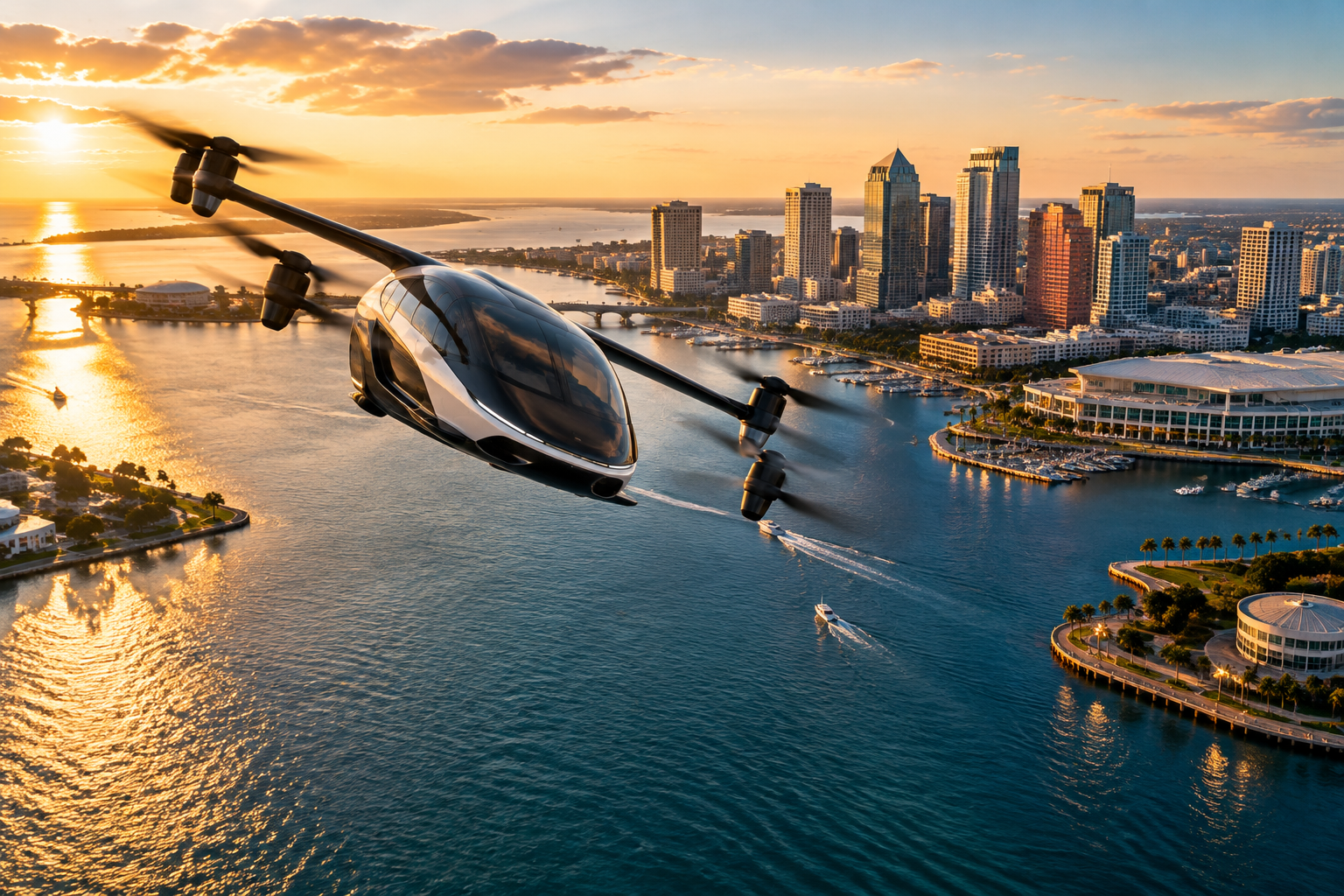
Florida has officially entered the era of personal air mobility with the first-ever “flying car” demonstrations over Tampa Bay. This groundbreaking event marks a historic milestone for the state and signals a major shift in how transportation infrastructure is evolving across America. The demonstrations represent years of regulatory coordination, technological development, and public interest in advanced air vehicles that promise to revolutionize urban commuting.
A Historic Moment for Florida’s Transportation Future
The demonstrations over Tampa Bay represent far more than a novelty flight experience—they signal Florida’s commitment to becoming a leader in the emerging personal air mobility sector. State officials and aviation authorities worked meticulously to coordinate airspace clearances, safety protocols, and public engagement to make these flights a reality. This achievement positions Florida ahead of many other states in embracing next-generation transportation technologies.
Tampa Bay’s geography made it an ideal location for these inaugural demonstrations. The region’s established airspace infrastructure, moderate weather patterns, and proximity to urban development zones created the perfect testing ground for “flying car” operations. Local stakeholders recognized the opportunity to showcase Florida’s innovation leadership while maintaining rigorous safety standards throughout the demonstrations.
The event generated significant media attention and public interest, demonstrating widespread enthusiasm for personal air mobility solutions. Thousands of residents and spectators witnessed history in the making, with many expressing optimism about the potential of these vehicles to transform daily commuting. The successful demonstrations have already sparked conversations about future commercial routes and expanded operations in the Tampa Bay region.
Technical Specifications and Vehicle Capabilities
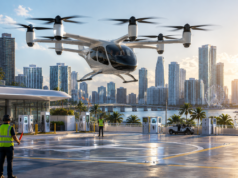
The “flying cars” demonstrated over Tampa Bay represent the cutting edge of electric vertical takeoff and landing (eVTOL) technology. These vehicles combine the convenience of ground-based transportation with the speed and efficiency of aerial mobility. With advanced battery systems, autonomous flight capabilities, and electric propulsion, modern flying cars offer zero-emission transportation solutions suited for urban and suburban environments.
Safety features were paramount during the demonstrations, with each vehicle equipped with redundant systems, real-time monitoring, and pilot oversight. The aircraft demonstrated precision takeoffs and landings in controlled airspace, showcasing the reliability and stability of current eVTOL designs. Flight parameters included optimal altitude management, noise reduction technologies, and coordination with existing air traffic control systems to ensure seamless integration into Florida’s airspace.
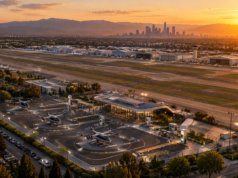
Battery technology continues to advance rapidly, with the latest models achieving impressive range and endurance metrics. The vehicles used in these demonstrations featured high-density lithium-ion battery systems capable of supporting multiple flights per charge cycle. Charging infrastructure considerations have already begun in Tampa Bay, with plans for future “vertiports” designed to support rapid turnaround times and efficient fleet operations.
Regulatory Framework and Airspace Coordination
The successful execution of these demonstrations required unprecedented coordination between the FAA, Florida state aviation authorities, and local jurisdictions. Months of planning went into establishing special flight corridors over Tampa Bay while maintaining safety margins from existing commercial air traffic. This collaborative approach established a template for how personal air mobility can operate within existing airspace frameworks without compromising aviation safety.
Regulatory approvals for the demonstrations involved detailed safety assessments, noise impact studies, and emergency response protocols. Federal Aviation Administration officials worked closely with local air traffic control to monitor operations in real-time and ensure compliance with all established guidelines. The successful coordination demonstrated that flying car operations can coexist with conventional aviation when proper oversight mechanisms are in place.
These demonstrations paved the way for future regulatory pathways that could eventually enable commercial flying car services in Florida. The FAA has indicated willingness to expand Part 135 charter operations and develop new regulatory categories specifically for eVTOL aircraft. Florida’s proactive stance positions the state to potentially host the nation’s first commercially viable flying car routes within the coming years.
Economic Impact and Tourism Potential
Florida’s investment in personal air mobility demonstrates economic foresight, as the global eVTOL market is projected to reach billions of dollars within the next decade. The state has positioned itself to capture a significant share of manufacturing, operations, and service revenue. Job creation in aircraft maintenance, pilot training, and infrastructure development represents substantial economic opportunity for the Tampa Bay region and broader Florida economy.
Tourism applications for flying cars could revolutionize how visitors experience Florida’s unique geography. Aerial sightseeing tours over Tampa Bay, coastal regions, and theme park areas could become a premium travel offering. The demonstrations have already attracted interest from hospitality companies and tourism boards exploring how flying car services could enhance visitor experiences and create new revenue streams.
Real estate and urban development patterns could shift dramatically as flying car infrastructure becomes available. Vertiports designed for eVTOL operations require less land than traditional airports and could be integrated into mixed-use developments throughout Florida. Early planning by developers and city planners in Tampa Bay suggests anticipation of how flying car networks might reshape urban transportation corridors and property values along future air routes.
Public Safety and Community Considerations
Community feedback during the Tampa Bay demonstrations revealed strong public support, with residents viewing flying cars as an exciting transportation innovation. Noise monitoring during flights confirmed that modern eVTOL aircraft operate significantly quieter than helicopters, addressing one of the primary public concerns about aerial mobility. Open communication between aviation authorities and local communities helped build confidence in the technology’s integration into urban environments.
Emergency response protocols developed for these demonstrations included coordination with local fire, police, and medical services. Training exercises ensured that first responders understood eVTOL aircraft operations and could respond effectively to any emergency situation. This comprehensive safety approach demonstrated that flying car operations could be managed responsibly within existing public safety frameworks.
Environmental impact assessments confirmed that electric flying cars offer substantial emissions reductions compared to ground-based vehicle alternatives. With zero direct emissions during flight and electricity sourced from Florida’s increasingly renewable energy grid, flying cars represent a cleaner transportation option. Air quality monitoring during the demonstrations provided baseline data for evaluating the environmental benefits of expanded flying car operations.
Key Takeaways from Florida’s Historic Achievement
- Florida’s first flying car demonstrations over Tampa Bay represent a major milestone in personal air mobility adoption and position the state as a national leader in eVTOL technology integration
- Successful regulatory coordination between the FAA, state authorities, and local jurisdictions established a replicable framework for safe commercial flying car operations within existing airspace
- Economic projections suggest significant job creation and tourism revenue potential, with future vertiport development transforming urban transportation infrastructure across Florida
Florida’s historic flying car demonstrations over Tampa Bay mark a transformative moment in the evolution of personal transportation. The state has successfully bridged the gap between technological innovation and regulatory reality, proving that flying cars can operate safely and efficiently within modern airspace. As other states watch Florida’s progress with keen interest, the path is being paved for widespread adoption of personal air mobility solutions. The Tampa Bay demonstrations have ignited public enthusiasm and industry confidence, setting the stage for commercial flying car operations that could reshape urban commuting throughout Florida and beyond. With continued investment in infrastructure, regulatory frameworks, and public engagement, Florida’s flying car revolution is just beginning—and the future of transportation has officially taken flight.