HIGHLIGHTS
- Moya Aero’s Moya 256 cargo eVTOL completed its first successful transition flight, validating electric vertical takeoff technology for commercial logistics
- The achievement provides critical flight test data that advances regulatory certification pathways with aviation authorities worldwide
- Successful cargo eVTOL operations accelerate commercial last-mile delivery timelines and demonstrate the feasibility of electric air mobility for logistics networks
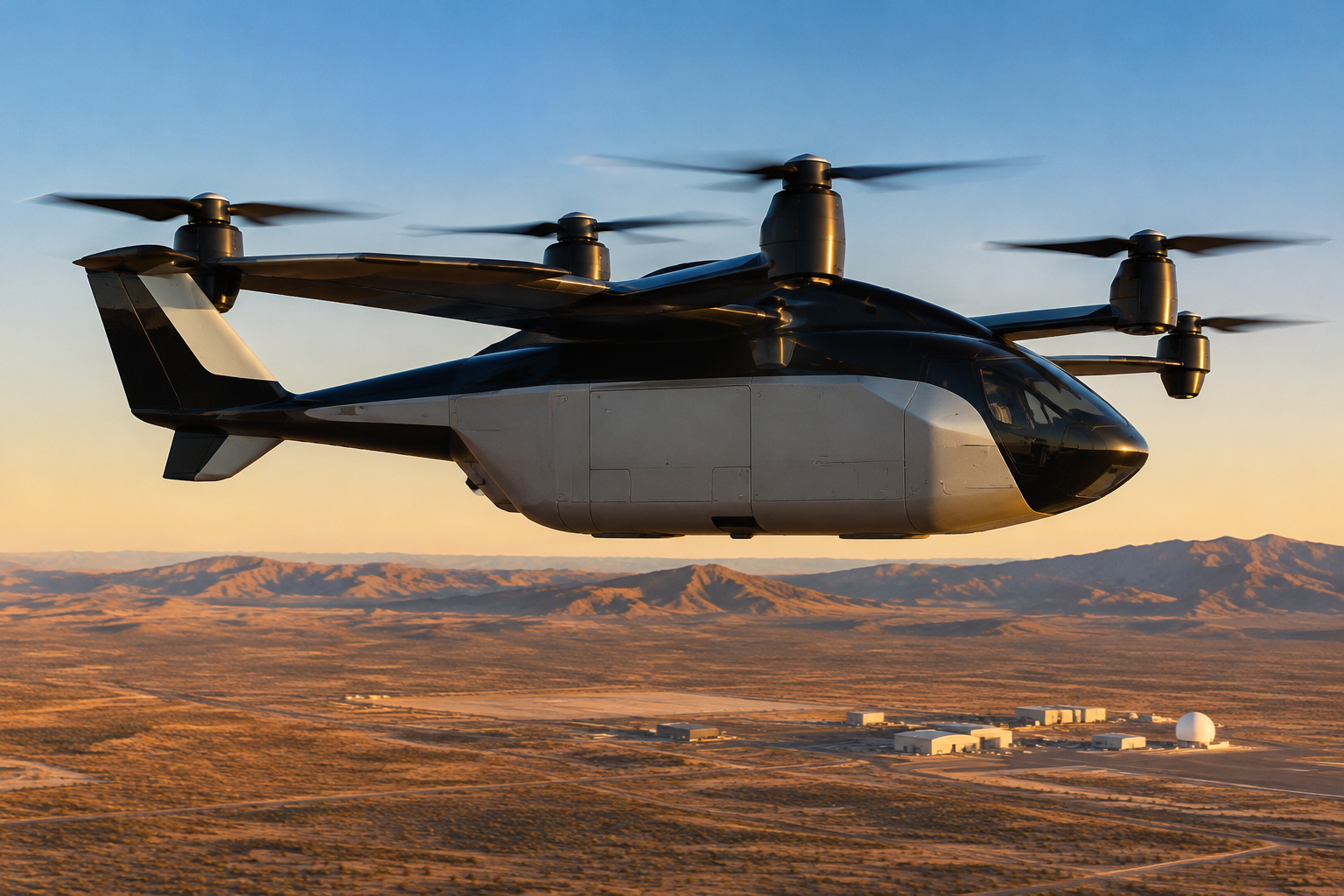
Moya Aero has achieved a significant milestone in electric vertical takeoff and landing (eVTOL) aircraft development. The company’s full-scale Moya 256 cargo eVTOL prototype successfully completed its first transition flight, marking a critical step toward commercial deployment. This achievement demonstrates the viability of Moya Aero’s innovative design and engineering approach to cargo delivery through personal air mobility systems.
The Moya 256: Engineered for Cargo Delivery
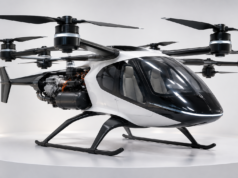
The Moya 256 represents a purpose-built cargo eVTOL platform designed specifically for urban and regional logistics. Unlike passenger-focused eVTOL concepts, this aircraft prioritizes payload capacity and operational efficiency, making it well-suited for last-mile delivery applications. The platform incorporates advanced materials and electric propulsion systems that enable sustained flight operations while carrying meaningful cargo loads.
Moya Aero’s design philosophy emphasizes practical cargo delivery over experimental flight testing. The Moya 256 features a robust airframe capable of handling real-world logistics demands, including varying weather conditions and diverse landing environments. This focus on practicality distinguishes Moya Aero from competitors pursuing primarily passenger transport solutions.
The aircraft’s specifications reflect years of research into optimal eVTOL configurations for commercial cargo operations. By refining rotor systems, battery integration, and weight distribution, Moya Aero has created a platform that balances range, payload, and reliability—critical factors for operational logistics networks.
First Transition Flight: A Technical Achievement
The transition flight represents the moment when an eVTOL aircraft shifts from vertical takeoff mode to horizontal forward flight and back again. This maneuver is fundamental to eVTOL operations, requiring precise control of multiple rotors and seamless power management across the electric propulsion system. The successful completion of this flight phase validates Moya Aero’s control systems and aircraft handling characteristics.
During the transition flight, the Moya 256 demonstrated stable and predictable behavior throughout the flight envelope—a prerequisite for regulatory certification. Test pilots confirmed that the aircraft responded appropriately to control inputs and maintained stable flight attitudes during the critical transition phases. This data will inform ongoing development and regulatory submissions.
The achievement represents months of ground testing, software verification, and preflight preparations. Moya Aero’s engineering team conducted extensive simulations and incremental testing regimens to ensure safety during this milestone flight. The successful transition flight validates the design methodology and provides confidence for subsequent test phases.
Commercial Implications for Cargo Logistics
The Moya 256’s first transition flight accelerates the timeline for commercial cargo eVTOL operations. Companies evaluating last-mile delivery solutions now have concrete evidence that dedicated cargo eVTOL platforms can achieve sustained flight. This validation strengthens the business case for logistics operators considering air-based delivery networks.
Urban and regional delivery networks face increasing demand for speed and efficiency. Traditional ground-based logistics struggle with congestion and time constraints in major metropolitan areas. The Moya 256 offers an alternative that can bypass road infrastructure entirely, potentially reducing delivery times significantly for time-sensitive cargo.
Battery technology and energy efficiency continue improving, making eVTOL cargo operations increasingly economically viable. As regulatory frameworks mature and charging infrastructure develops, commercial deployment of cargo eVTOLs like the Moya 256 becomes more feasible. This first transition flight demonstrates that the technological foundation already exists for real-world applications.
Regulatory Pathway and Certification Progress
Successful test flights like this transition flight strengthen Moya Aero’s position within regulatory certification processes. Aviation authorities worldwide are developing certification standards for eVTOL aircraft, requiring extensive flight testing data. Each successful milestone provides evidence of airworthiness and safety compliance needed for commercial certification.
The data gathered from transition flights will support regulatory submissions to authorities including the FAA, EASA, and other national aviation bodies. Demonstrating controlled transition flight behavior is particularly important, as this maneuver involves significant aerodynamic and control system challenges. Regulators require comprehensive evidence of safe operation before issuing commercial operation certificates.
Moya Aero’s systematic approach to testing and validation positions the company well for timely regulatory approval. By conducting methodical test flights and documenting performance comprehensively, the company builds a regulatory dossier that facilitates certification. This structured approach contrasts with less rigorous development programs and improves the likelihood of approval.
The Future of Electric Cargo Aviation
The Moya 256’s first transition flight represents progress toward broader adoption of electric aviation in logistics. As multiple manufacturers advance their cargo eVTOL programs, the market will gain access to diverse platform options optimized for different cargo types, ranges, and operating environments. This diversity strengthens the overall industry ecosystem.
Infrastructure requirements for cargo eVTOL operations are less demanding than for passenger systems. Cargo vertiports can be simpler, cheaper facilities located at distribution centers, retail hubs, and industrial areas. This operational flexibility accelerates deployment timelines compared to passenger-focused eVTOL networks requiring sophisticated urban infrastructure.
Environmental benefits of electric cargo aviation extend beyond emissions reductions. Quiet eVTOL operations enable cargo flights during hours when traditional aircraft cannot operate, maximizing infrastructure utilization. The Moya 256’s electric propulsion eliminates fuel consumption while reducing noise pollution in communities near delivery routes.
Key Takeaways: Moya Aero’s Milestone Achievement
- Moya Aero’s full-scale Moya 256 cargo eVTOL successfully completed its first transition flight, validating the aircraft’s control systems and flight characteristics
- The transition flight advances Moya Aero’s regulatory certification pathway by providing critical performance data required by aviation authorities for commercial approval
- The achievement accelerates commercial cargo delivery timelines and demonstrates that electric vertical takeoff platforms can support real-world logistics operations
Moya Aero’s successful transition flight with the Moya 256 cargo eVTOL marks a turning point in personal air mobility development. The company has moved beyond concept demonstrations into validated aircraft operations, proving that dedicated cargo eVTOLs can safely perform the maneuvers required for commercial service. This milestone strengthens confidence in electric aviation’s role in future logistics networks and demonstrates the maturity of current eVTOL technology. As the industry progresses toward certification and deployment, achievements like this transition flight underscore the practical feasibility of air-based cargo delivery systems.