HIGHLIGHTS
- Mercedes-Benz commits to France’s mass drone production initiative, bringing 130+ years of automotive manufacturing excellence to personal air mobility
- Automotive industry’s coordinated pivot toward EV drones leverages existing battery, materials, and quality engineering expertise for competitive manufacturing at scale
- France’s government-backed initiative provides regulatory pathways, infrastructure investment, and production frameworks that accelerate market-ready drone manufacturing
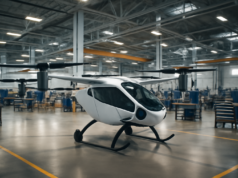
The automotive industry is undergoing a dramatic transformation as traditional powerhouses pivot toward emerging technologies. In a groundbreaking move, Mercedes-Benz has announced its involvement in France’s ambitious mass drone production initiative, marking a significant shift in how legacy automakers are adapting to the evolving mobility landscape. This announcement signals that the race for electric vertical takeoff and landing (eVTOL) aircraft and drone manufacturing is no longer confined to startups—established automotive giants are now staking their claim in this rapidly expanding sector.
Mercedes-Benz Enters the EV Drone Market
Mercedes-Benz’s decision to participate in France’s drone production push represents a strategic diversification away from traditional internal combustion engines. The German luxury automaker, renowned for its engineering excellence and manufacturing precision, brings decades of automotive expertise to the nascent drone industry. This move is particularly noteworthy given Mercedes-Benz’s historical focus on high-performance vehicles, where their 536-hp powerplant technology demonstrates their capability to engineer sophisticated power systems.
The company’s entry into drone manufacturing leverages its existing supply chain infrastructure, workforce expertise, and quality assurance standards. By applying automotive manufacturing principles to drone production, Mercedes-Benz can establish competitive advantages in manufacturing efficiency and reliability—two critical factors that will determine market leadership in personal air mobility. The shift also reflects broader industry trends as automakers recognize that battery technology, electric propulsion systems, and lightweight materials are fundamental to both electric vehicles and eVTOL aircraft.
Mercedes-Benz’s involvement underscores how traditional automotive capabilities—precision engineering, battery management systems, aerodynamic optimization, and safety integration—directly transfer to drone development. The company’s commitment to this sector suggests confidence in the commercial viability of personal air mobility solutions within the next 5-10 years.
France’s Vision for Mass Drone Manufacturing
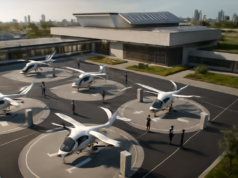
France has positioned itself as a European leader in advanced manufacturing and technology innovation. The national initiative to scale drone production reflects strategic economic planning to establish France as a manufacturing hub for personal air mobility solutions. By attracting major automotive players like Mercedes-Benz, France aims to consolidate expertise, reduce production costs through standardization, and create a competitive ecosystem that rivals Asian and North American drone manufacturers.
This coordinated approach leverages France’s existing strengths in aerospace, precision engineering, and automotive manufacturing. The government’s support for drone production infrastructure creates favorable conditions for companies willing to invest in facility development, workforce training, and supply chain integration. For Mercedes-Benz, participating in France’s initiative provides access to government incentives, regulatory pathway clarity, and collaboration opportunities with other manufacturers and technology partners.
The French manufacturing initiative represents a European response to global competition from companies in the United States, China, and other regions. By consolidating automotive industry participation, France seeks to establish economies of scale that make European drone manufacturing competitive on price while maintaining quality standards. This approach mirrors successful strategies employed in other high-tech manufacturing sectors where coordinated national efforts have created durable competitive advantages.
Automotive Industry’s Broader Pivot to Air Mobility
Mercedes-Benz is not alone in recognizing drone manufacturing opportunities. Major automotive suppliers and manufacturers worldwide are exploring eVTOL and drone markets as traditional vehicle markets face saturation and regulatory pressure regarding emissions. The industry’s collective pivot toward electric propulsion and autonomous systems creates natural synergies with drone technology development, as both sectors demand expertise in battery management, flight control systems, lightweight materials, and regulatory compliance.
Other automotive manufacturers have already announced drone and eVTOL initiatives, though few have committed to mass production timelines as boldly as Mercedes-Benz and French partners. Audi has invested in eVTOL ventures, BMW has explored urban air mobility concepts, and Volkswagen Group companies are developing autonomous air taxi platforms. This coordinated movement suggests the industry has reached critical mass in recognizing personal air mobility as a genuine commercial opportunity rather than speculative technology.
The transition also reflects workforce considerations. As vehicle electrification reduces demand for internal combustion engine specialists, automotive manufacturers need new product categories to maintain employment and manufacturing capacity. Drone production offers an ideal alternative, as it demands similar engineering expertise while addressing emerging transportation needs in congested urban environments. Manufacturing facilities that once produced traditional automobiles can be retooled for drone assembly with relatively modest capital investment.
Production Challenges and Market Readiness
Moving from prototype to mass production presents significant engineering and regulatory hurdles. Unlike automobiles with over a century of standardized production methodology, drone manufacturing requires developing new assembly processes, quality control standards, and supply chain relationships. Mercedes-Benz’s automotive heritage provides advantages in these areas, but the company must also navigate novel challenges specific to aerial vehicles, including weight optimization, battery integration, and flight safety systems.
Regulatory compliance represents another critical barrier. Drone operations require airspace integration, pilot certification, maintenance protocols, and insurance frameworks that are still being developed globally. France’s national initiative likely includes coordination with European Union aviation authorities to establish harmonized standards that reduce compliance complexity and accelerate market entry. Mercedes-Benz can leverage its experience navigating automotive regulations across multiple jurisdictions to accelerate certification processes for its drone platforms.
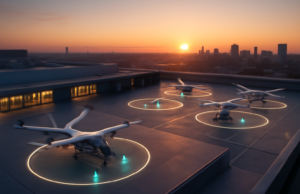
Market readiness remains uncertain despite industry optimism. Commercial drone services, urban air mobility, and personal aerial transportation require demand patterns that haven’t yet materialized at scale. However, initial applications in surveillance, emergency response, cargo delivery, and tourism suggest viable early markets. Mercedes-Benz’s entry signals confidence that these niche applications will expand into broader consumer and commercial segments within the next 5-7 years, justifying significant production investment.
Key Takeaways from Mercedes-Benz’s Drone Initiative
- Traditional automotive expertise in battery systems, lightweight materials, and quality engineering directly enables competitive drone manufacturing at scale
- France’s coordinated manufacturing initiative attracts major companies by providing regulatory clarity, infrastructure investment, and government incentives
- Industry-wide pivot toward electric propulsion and autonomous systems creates natural transition pathways for automakers entering the personal air mobility market
Mercedes-Benz’s announcement marks a watershed moment in personal air mobility development. When luxury automakers with 130+ years of manufacturing heritage commit capital to drone production, it signals that this sector has transitioned from speculative technology to legitimate commercial opportunity. The combination of Mercedes-Benz’s engineering excellence, France’s manufacturing infrastructure, and European regulatory frameworks creates a credible pathway to mass drone production. The next five years will reveal whether this automotive industry pivot successfully scales personal air mobility into a mainstream transportation category or whether technological and regulatory obstacles limit growth to niche applications. Either way, the fact that companies of Mercedes-Benz’s stature are investing in this transition guarantees that personal air mobility will shape transportation infrastructure throughout the coming decade.