HIGHLIGHTS
- Beta CEO Kyle Clark predicts the A250 will achieve FAA certification before competitor eVTOLs, marking a potential industry milestone
- The A250’s proven multicopter design, extensive flight test data, and proactive FAA collaboration give Beta competitive advantages over rivals with novel architectures
- First-to-certification could unlock early commercial operations for cargo and emergency response, establishing regulatory precedent that accelerates industry maturation
In a competitive race that has captivated the aviation industry for years, Beta Technologies’ CEO Kyle Clark has made a bold prediction: the A250 will achieve FAA certification before rival eVTOL aircraft reach the same regulatory milestone. This declaration marks a significant moment in the personal air mobility sector, where multiple manufacturers are vying to be the first to commercially operate certified electric aircraft. The A250’s path to certification has already demonstrated notable progress, and Clark’s confidence reflects the company’s technical achievements and regulatory engagement strategy.
The A250: Beta Technologies’ Flagship Aircraft
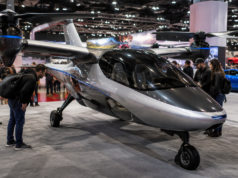
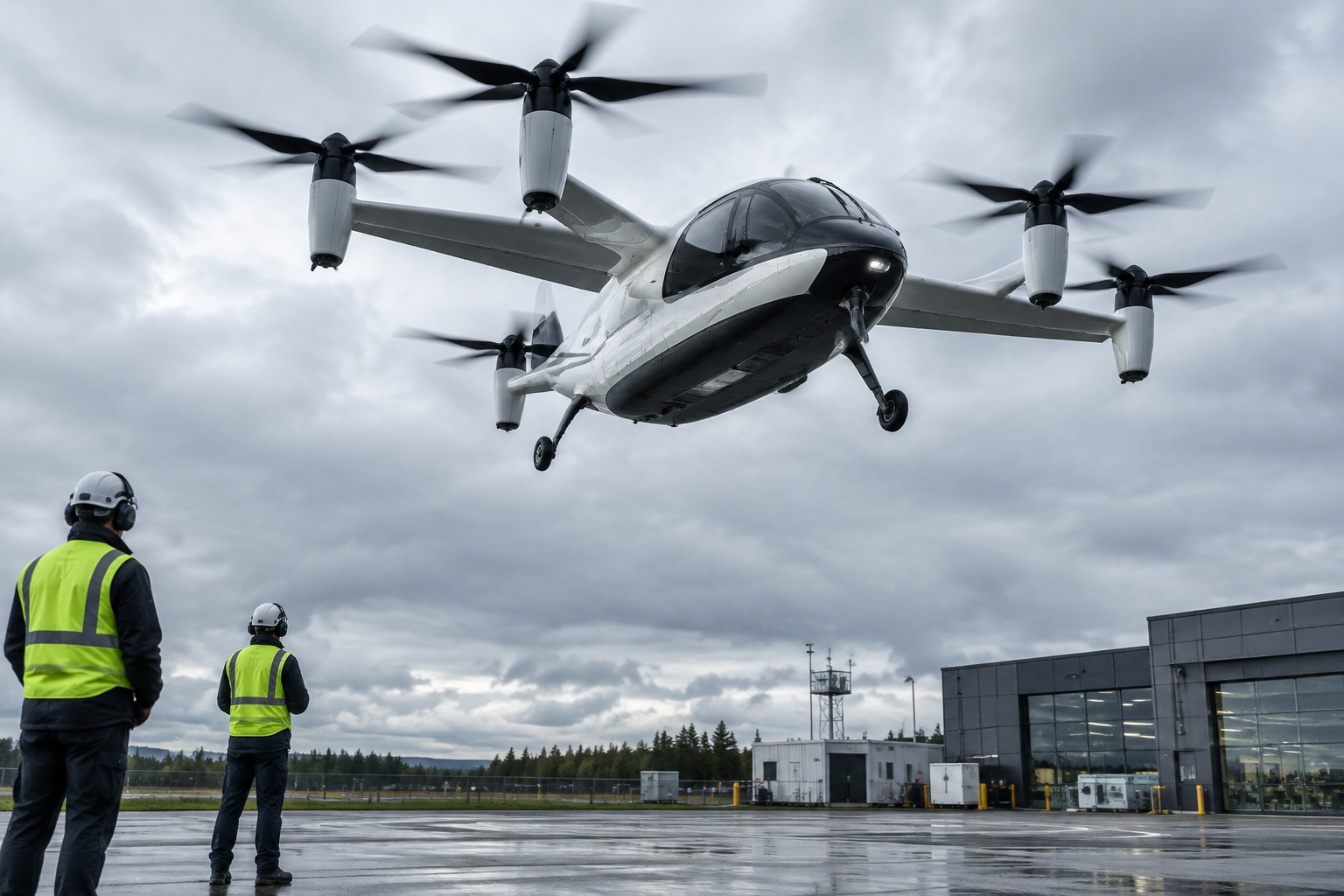
The A250 represents Beta Technologies’ most advanced electric vertical takeoff and landing platform to date. Designed with both urban air mobility and cargo delivery applications in mind, the aircraft combines innovative engineering with practical commercial considerations. The A250’s development has focused on creating a reliable, scalable platform that meets the rigorous safety and performance standards set by the Federal Aviation Administration.
Beta Technologies has positioned the A250 to address multiple use cases within the emerging air mobility ecosystem. Unlike some competitors focused solely on passenger transport, Beta’s versatility strategy allows the A250 to serve cargo operations, emergency response, and future passenger services. This multi-mission capability has given Beta additional pathways for generating revenue while pursuing full type certification.
The aircraft’s design incorporates redundancy systems, advanced battery management, and autonomous flight capabilities that align with regulatory expectations for certified aircraft. These technical features are not merely marketing differentiators—they represent genuine safety and reliability advantages that regulatory bodies prioritize during the certification process.
Why Beta Believes It Can Win the Certification Race
CEO Clark’s confidence stems from several concrete factors that distinguish Beta’s certification timeline from competitors. The company has maintained close collaboration with the FAA throughout the A250’s development, ensuring that design choices align with evolving regulatory requirements. This proactive engagement approach has historically accelerated certification processes by reducing major design revisions late in the approval cycle.
Beta Technologies has also benefited from strategic partnerships and early operational approvals that position the A250 ahead of the pack. The company has already conducted extensive flight testing in real-world operational environments, gathering data that supports regulatory submissions. These field results provide the FAA with confidence in the aircraft’s performance characteristics and safety record before formal certification review.
The competitive landscape also influences Beta’s timeline advantages. While larger aerospace manufacturers have entered the eVTOL market, many are still navigating complex bureaucratic approval processes for subsidiary programs. Beta, as a focused dedicated eVTOL developer, has maintained agility in responding to regulatory guidance and engineering challenges that might delay larger organizations.
The FAA Certification Path for eVTOLs
The Federal Aviation Administration has established new regulatory frameworks specifically designed for electric vertical takeoff and landing aircraft. These Special Conditions and performance standards represent years of collaborative development between industry and regulators. The certification path for eVTOLs involves demonstration of airworthiness across multiple technical domains including propulsion reliability, battery safety, flight control systems, and emergency procedures.
Type certification for eVTOLs requires manufacturers to demonstrate compliance with hundreds of regulatory requirements developed from traditional aircraft standards but adapted for electric propulsion and distributed electric systems. The process includes design reviews, ground testing, and extensive flight testing with FAA oversight. Manufacturers must also establish maintenance procedures, pilot training protocols, and operational limitations that will govern commercial service.
The timeline from first certification submission to approval typically spans two to three years for conventional aircraft, though expedited pathways exist for well-prepared applicants. The A250’s advanced preparation and data-driven approach suggests Beta could achieve certification within the industry’s anticipated window, potentially ahead of competitors still in earlier development stages.
Competitive Pressure in the eVTOL Sector
Beta Technologies competes against numerous well-funded eVTOL manufacturers, including Archer Aviation, Lilium, Joby Aviation, and Vertical Aerospace, each pursuing distinct design philosophies and market strategies. Some competitors focus exclusively on passenger transport, while others target cargo operations or specialized urban mobility niches. This diversity in approaches means certification timelines will naturally vary based on each manufacturer’s regulatory strategy.
Joby Aviation, one of the best-funded eVTOL startups, has pursued a comprehensive safety case and simulation-heavy approach that some analysts believe prioritizes thoroughness over speed. Lilium’s unique ducted fan design requires additional regulatory scrutiny due to its unconventional architecture. Meanwhile, Archer Aviation’s more conventional multicopter design may face fewer novel certification questions but involves competing against established multicopter technology expertise within the FAA.
Beta’s strategic positioning relative to these competitors reflects both technical advantages and execution discipline. By focusing on a proven multicopter configuration combined with innovative battery and autonomous systems, Beta has avoided designing novel architectures that require groundbreaking regulatory precedent. This pragmatic engineering approach accelerates both development and certification timelines without sacrificing performance capabilities.
Implications for the Personal Air Mobility Industry
If the A250 achieves FAA certification first, it would represent a watershed moment for the entire eVTOL sector. First certification would provide Beta with significant competitive advantages including regulatory precedent benefits, operational approval pathways, and commercial credibility with investors and potential customers. Early commercial operation would also generate real-world performance data that informs subsequent manufacturer certifications and regulatory evolution.
The broader industry would benefit from Beta’s certification milestone by establishing proven pathways and precedent solutions that accelerate subsequent approvals. Regulatory confidence built through successful A250 operation would likely streamline approval processes for aircraft with similar architectures and safety approaches. This “rising tide” effect could compress the overall timeline for industry maturation from years to months.
Beyond regulatory implications, first-to-market certification positions Beta to capture early commercial opportunities in urban air mobility before competitors achieve approval. Cargo operators, emergency response services, and early-adopter airlines are positioned to begin commercial A250 operations as soon as certification permits. This revenue generation opportunity would strengthen Beta’s financial position during a critical industry development phase.
Key Takeaways: Beta’s Certification Advantage
- Beta Technologies CEO Kyle Clark predicts the A250 will achieve FAA certification before rival eVTOL aircraft, marking a major industry milestone for the company
- The A250’s proven multicopter design, extensive flight testing data, and collaborative FAA engagement have positioned Beta ahead of competitors with novel architectures or less mature development programs
- First-to-certification would grant Beta significant commercial and regulatory advantages, potentially compressing industry-wide timelines as other manufacturers benefit from established precedent
The race for eVTOL certification represents one of aviation’s most consequential competitive dynamics. Beta Technologies’ A250 stands as a leading candidate to cross the certification finish line first, bringing the promise of certified electric aviation one step closer to commercial reality. CEO Clark’s confidence, grounded in technical progress and regulatory engagement, reflects genuine momentum that could reshape the personal air mobility industry within the next regulatory approval cycle.