HIGHLIGHTS
- Global electric aviation market projected for substantial expansion through 2036 across urban air mobility, regional transport, and cargo delivery segments
- Next-generation battery technologies and distributed electric propulsion systems are closing performance gaps with conventional aircraft while offering redundancy and safety advantages
- FAA, EASA, and international regulators are establishing certification frameworks enabling commercial eVTOL deployment in mid-to-late 2020s with Asia-Pacific and European markets leading operational adoption
The global electric aviation market is experiencing unprecedented momentum, with forecasts pointing toward substantial expansion through 2036. Market analysts are projecting significant growth driven by technological breakthroughs in electric vertical takeoff and landing (eVTOL) aircraft, evolving regulatory frameworks, and accelerating investment in personal air mobility infrastructure. This comprehensive market analysis reveals the transformative forces reshaping aviation’s future and the opportunities emerging for stakeholders across the industry.
Market Size and Valuation Trajectory
The electric aviation market has reached a critical inflection point, with current valuations reflecting the industry’s transition from concept to commercialization. Market research indicates robust year-over-year growth as manufacturers bring eVTOL prototypes closer to operational certification and first-customer delivery. The valuation trajectory demonstrates investor confidence in electric aviation’s viability as a transportation solution for urban and regional connectivity.
Forecast models through 2036 anticipate the market expanding as battery technology improves, manufacturing scales, and operational costs decline. Multiple market segments—including urban air mobility, regional air transport, and cargo delivery—are contributing to this expansion. The diversification of applications provides resilience against market volatility and creates multiple revenue streams for early-stage operators and manufacturers.
Investment capital flowing into the sector reflects strong conviction that electric aviation represents a generational shift in transportation. Public markets, venture capital, and strategic corporate investments are fueling innovation and accelerating development timelines. This financial momentum is translating into faster prototype maturation, expanded manufacturing capacity, and broader ecosystem development supporting commercial operations.
eVTOL Technology Advancements and Innovation
Technological progress in eVTOL design continues at an accelerating pace, with innovations spanning battery chemistry, electric propulsion systems, and autonomous flight capabilities. Leading manufacturers are achieving significant improvements in energy density, range, and payload capacity—the critical metrics determining operational viability and profitability. These advances are making electric aircraft increasingly competitive with traditional aviation alternatives for specific mission profiles.
Battery technology represents the most critical bottleneck and most dynamic area of innovation. Companies are transitioning from lithium-ion to next-generation solid-state and alternative chemistries offering superior energy density and thermal stability. Improved batteries directly translate to longer range, faster charging, and reduced operating costs—factors essential for commercial competitiveness. The pace of battery innovation is narrowing the performance gap between electric and combustion-powered aircraft across multiple mission categories.
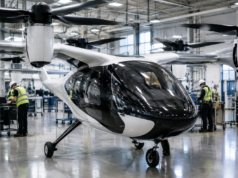
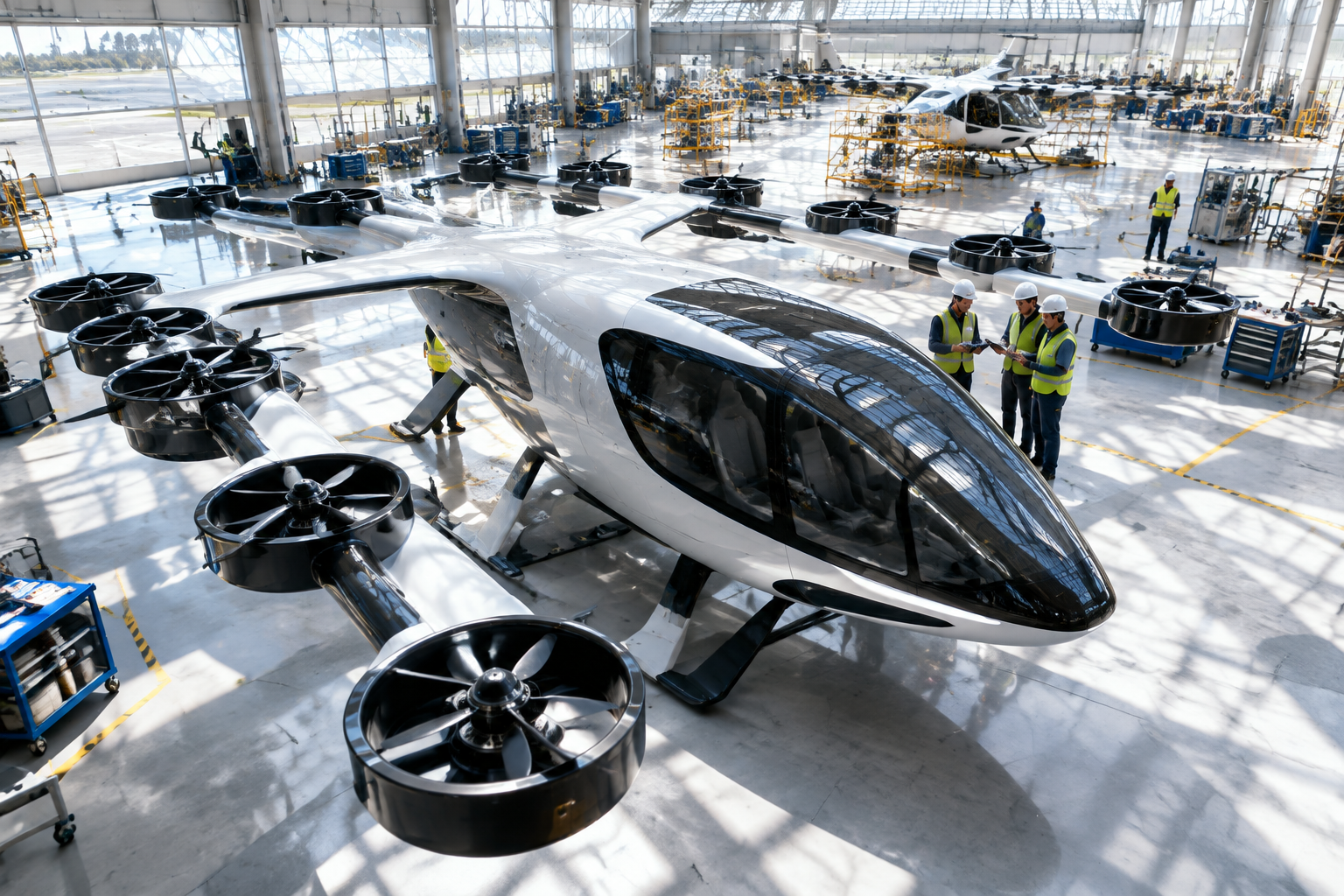
Autonomous and semi-autonomous flight systems are advancing in parallel with propulsion technology, promising to reduce pilot training requirements, improve safety metrics, and unlock new operational models. Distributed electric propulsion—multiple smaller motors replacing single engines—offers redundancy benefits and design flexibility that traditional aviation cannot match. These architectural advantages position eVTOL platforms as inherently safer and more efficient than conventional aircraft for low-altitude operations.
Regulatory Landscape and Certification Progress
Aviation regulatory authorities worldwide are developing certification frameworks specifically designed for eVTOL aircraft, a necessary prerequisite for commercial operations. Agencies including the FAA, EASA, and their counterparts in Asia-Pacific are establishing special conditions and means of compliance tailored to electric propulsion characteristics and operational profiles. This regulatory clarity is reducing uncertainty for manufacturers and operators planning commercial deployment.
The evolution of airspace management and traffic integration systems is proceeding in coordination with eVTOL certification efforts. Regulators are designing low-altitude airspace rules and separation standards that accommodate high-density eVTOL operations in urban environments while maintaining safety margins. Advanced air mobility (AAM) initiatives in multiple countries demonstrate regulatory agencies’ commitment to enabling the ecosystem’s development while protecting public safety.
Early certification decisions—including type certificates for leading eVTOL manufacturers—are expected to accelerate through the forecast period, creating operational gateways for commercial service launches. Each certification milestone reduces technical and regulatory risk for subsequent manufacturers and operators. This sequential progress pattern, documented in multiple aviation markets, suggests the regulatory pathway is maturing on schedule for meaningful commercial deployment in the mid-to-late 2020s.
Market Drivers and Growth Catalysts
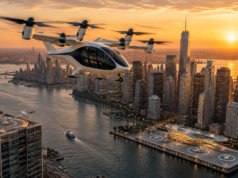
Urban congestion and transportation demand in high-density metropolitan areas provide the primary economic rationale for electric aircraft deployment. Major cities globally face capacity constraints on ground-based transit systems, creating demand for alternative transportation modes that reduce surface congestion while improving mobility options. Point-to-point air connectivity offers compelling value propositions for specific journey types, particularly time-sensitive business travel and airport shuttle services.
Environmental regulations and corporate sustainability commitments are intensifying demand for zero-emission transportation alternatives. Aviation’s contribution to global emissions is attracting regulatory scrutiny, creating policy tailwinds for electric aviation adoption. Corporate fleets and air mobility operators are committing to carbon-neutral operations, effectively creating demand for electric aircraft before mature secondary markets exist—an accelerator for fleet deployment and operational scale-up.
Venture capital and strategic investment from aerospace, automotive, and technology sectors continue fueling innovation and manufacturing expansion. Major airline groups, aircraft manufacturers, and automotive companies are establishing aviation mobility divisions or acquiring eVTOL companies to position themselves for the emerging market. This convergence of capital, talent, and industrial expertise is compressing timelines and expanding the scale of development efforts across the sector.
Regional Market Dynamics and Geographic Expansion
Asia-Pacific markets are emerging as growth epicenters, with countries including China, South Korea, and Singapore making substantial investments in electric aviation infrastructure and urban air mobility initiatives. These regions combine high population density, significant transportation demand, and government support for advanced mobility solutions. Chinese manufacturers are particularly active in eVTOL development, creating a competitive dynamic that’s accelerating global technology advancement.
European markets are advancing regulatory frameworks and infrastructure planning while maintaining rigorous safety standards. Multiple European cities have committed to hosting operational eVTOL services, creating pilot deployment opportunities. The European Union’s regulatory architecture is attracting investment and supporting a robust ecosystem of manufacturers, operators, and service providers across the continent.
North American markets remain significant, with the United States and Canada offering large geographic territories suitable for regional air transport services. Cargo applications are gaining traction faster than passenger services in these regions, driven by e-commerce logistics demand and established aviation infrastructure. The diversity of application opportunities across North America is supporting multiple business models and deployment strategies.
Key Market Takeaways
- Electric aviation market forecast through 2036 reflects accelerating commercialization with multiple application segments driving diversified growth
- Battery technology advancement and next-generation propulsion systems are narrowing performance gaps with conventional aircraft across mission categories
- Regulatory certification progress in major aviation markets is creating operational gateways for near-term commercial deployment and fleet scaling
The electric aviation market’s trajectory through 2036 represents a historic transition point for transportation. As battery technology matures, regulatory frameworks solidify, and manufacturing scales, the personal air mobility sector is transitioning from speculative concept to operational reality. Industry stakeholders positioning themselves strategically during this critical period will benefit substantially from the market expansion ahead. The convergence of technological capability, regulatory clarity, and market demand suggests the next decade will define electric aviation’s role in the global transportation ecosystem.