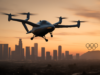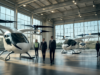
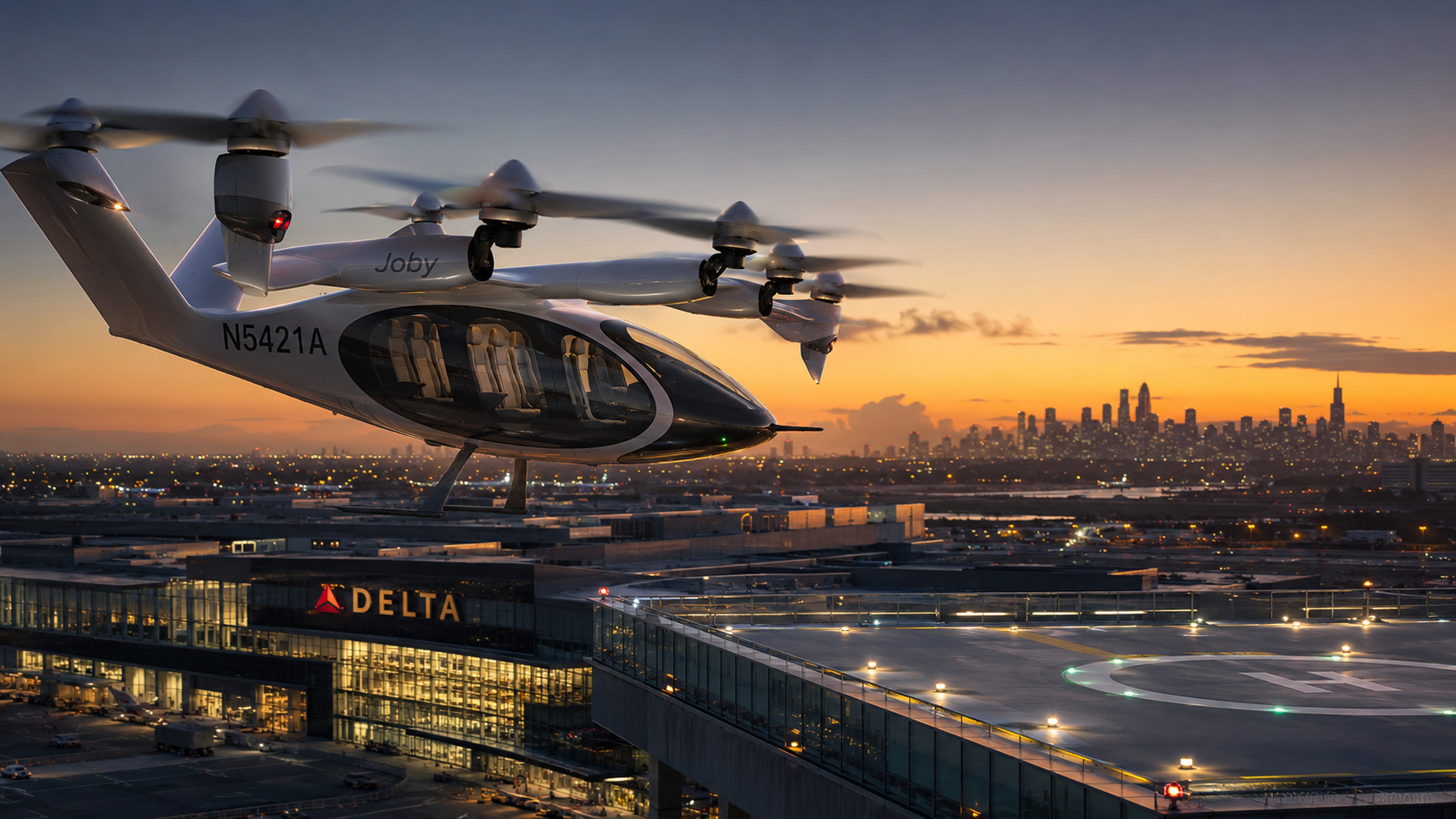
Delta Air Lines made headlines when it announced a $60 million investment in Joby Aviation alongside a commercial partnership to offer air taxi services at major US airports. The deal is real, the money has been transferred, and both companies have confirmed it — but the details of what passengers will actually experience, and when, deserve a closer look.
What the Partnership Covers
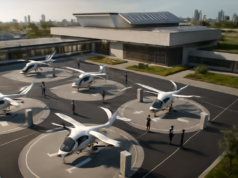
Under the agreement, Joby will operate air taxi routes connecting Delta terminals to surrounding metro areas at initially six airports: JFK, LAX, SFO, Boston Logan, Hartsfield-Jackson Atlanta, and O’Hare. Delta will offer booking integration through its Fly Delta app, meaning passengers could theoretically book an air taxi leg as part of a single itinerary alongside their main flight.
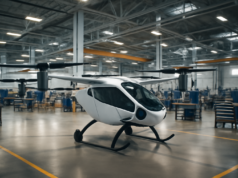
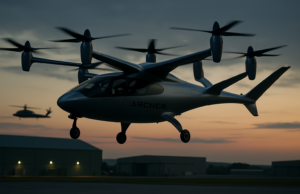
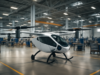
The vehicles involved are Joby’s S4 aircraft — a five-seat eVTOL with a 150-mile range and a top speed of 200 mph. The S4 completed over 1,000 test flights as of early 2025 and is currently in the final stages of FAA type certification, which Joby expects to receive before the end of 2025.
This is not a concept or a press release. Joby has a certified aircraft, a funded partner, and a specific launch plan. The question is execution, not intention.
Realistic Timeline
Commercial operations are targeted for 2026 at the earliest. That timeline depends on FAA certification being completed on schedule, which has historically been a variable factor for novel aircraft categories. Joby has said it is working closely with the FAA under an existing G-1 issue paper and does not anticipate major certification delays.
Pricing has not been announced, but Joby CEO JoeBen Bevirt has said the long-term goal is pricing competitive with ground rideshare services. Early commercial pricing is expected to be significantly higher — estimates from aviation analysts put initial per-seat pricing between $150 and $300 for routes of 20–40 miles.