
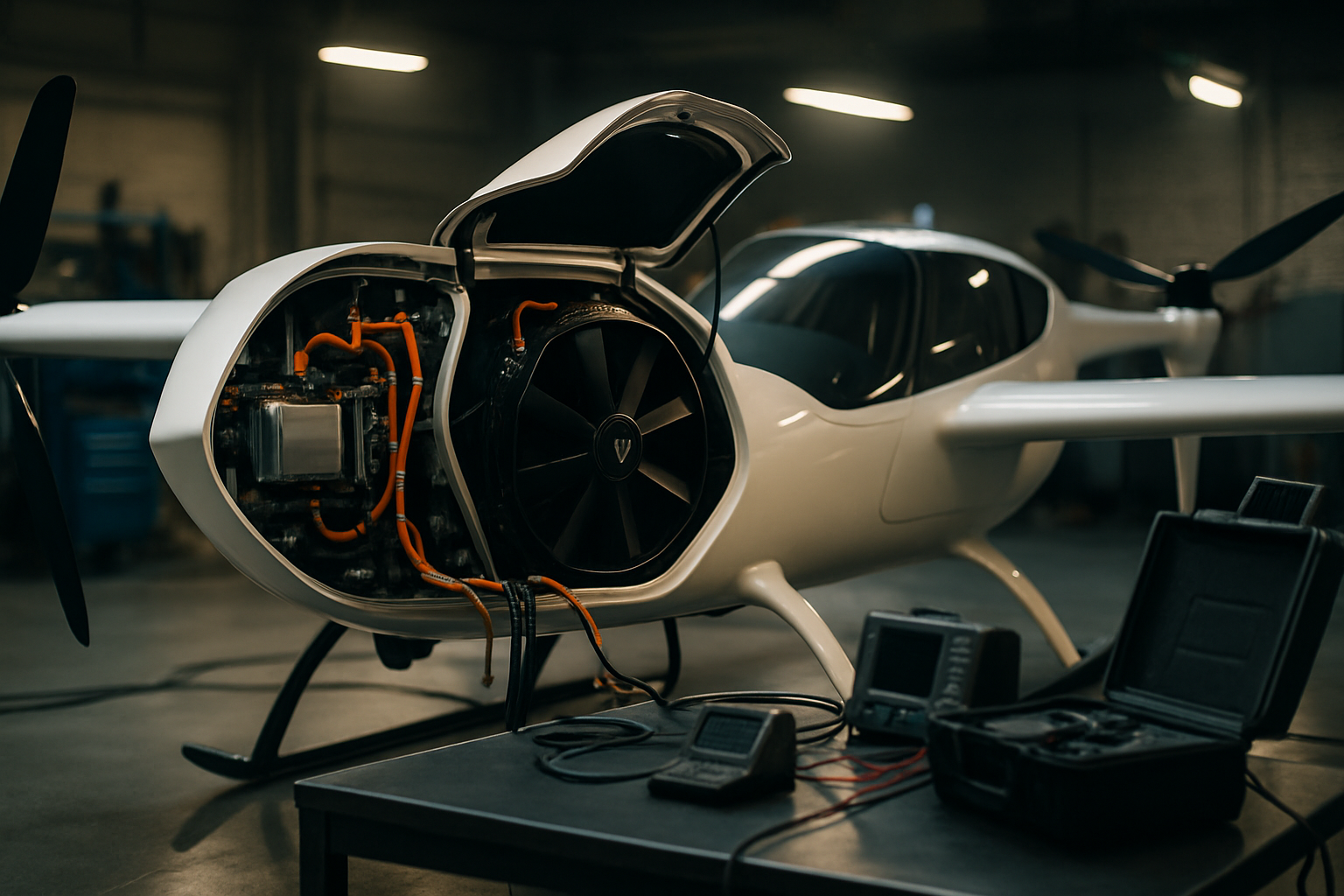
In a significant move that could reshape the electric vertical takeoff and landing (eVTOL) industry, Skyfly has announced it will open its electric aircraft propulsion system to other manufacturers. This strategic decision represents a major shift in how companies approach innovation within the personal air mobility sector, potentially accelerating the development and deployment of advanced electric aircraft across the industry.
Skyfly’s Strategic Open-Platform Initiative
Skyfly’s decision to make its propulsion technology available to competitors marks a fundamental change in the eVTOL market landscape. Rather than maintaining proprietary control over its innovative systems, the company has recognized that broader industry adoption could drive faster technological advancement and market growth. This move demonstrates confidence in Skyfly’s engineering capabilities and suggests the company believes its core competencies extend beyond just the propulsion hardware itself.
By opening access to their electric propulsion system, Skyfly is positioning itself as a technology leader rather than just an aircraft manufacturer. This strategic positioning could generate multiple revenue streams through licensing agreements, technical support, and ongoing development partnerships. The decision also signals that Skyfly views the expansion of the eVTOL ecosystem as beneficial to its long-term business objectives.
This openness reflects a growing trend in the aerospace and mobility industries where companies recognize that faster market maturation benefits all players. When multiple manufacturers can access proven propulsion technologies, the entire sector benefits from increased competition, innovation, and ultimately, faster path to commercial viability.
Implications for the eVTOL Industry
The ability for other manufacturers to integrate Skyfly’s propulsion system could dramatically accelerate the development timeline for new eVTOL aircraft. Companies that previously faced challenges in developing reliable electric propulsion systems now have access to proven technology, allowing them to focus resources on airframe design, avionics, and certification pathways. This specialization could lead to a healthier, more competitive market with diverse aircraft designs.
Skyfly’s open approach is likely to inspire similar initiatives from other technology leaders in the industry. When one major player demonstrates the viability of platform sharing, it often catalyzes similar strategies across the sector. This could lead to the emergence of standardized components and systems that make eVTOL development more modular and efficient, much like what occurred in the automotive and drone industries.
The decision also sends a strong message about Skyfly’s confidence in its propulsion technology. By making it available to competitors, the company is essentially endorsing its own engineering quality and demonstrating that they believe their system can perform better or more economically than alternatives currently available in the market. This confidence-building move could enhance Skyfly’s reputation as a trusted technology partner.
Technical Advantages of Shared Propulsion Systems
Electric propulsion systems represent one of the most complex and critical components of any eVTOL aircraft. These systems must deliver exceptional power density, reliability, thermal management, and energy efficiency. By standardizing on proven propulsion technology, manufacturers can focus engineering resources on optimizing other critical systems and addressing regulatory requirements more effectively.
The shared propulsion approach also enables better data collection and continuous improvement. When multiple manufacturers operate the same propulsion system in different aircraft configurations and operational scenarios, they generate valuable real-world performance data. This information can feed back into continuous development cycles, leading to iterative improvements that benefit all users of the technology.
Furthermore, standardizing on a common propulsion system could accelerate the development of support infrastructure. Training facilities, maintenance protocols, spare parts networks, and troubleshooting procedures can be developed once and leveraged across multiple aircraft types. This efficiency gains translate to lower operational costs and faster time-to-market for new services.
Market Dynamics and Competitive Landscape
While Skyfly’s move appears generous, it also reflects hard business reality: the eVTOL market is still in early stages, and broader adoption of electric propulsion technology benefits all manufacturers in the long run. By enabling other companies to bring their aircraft to market faster, Skyfly creates a larger overall market opportunity. A rising tide truly lifts all boats in an emerging industry.
This strategy also positions Skyfly to build long-term partnerships and ecosystem relationships that could prove valuable as the market matures. Companies that successfully integrate Skyfly’s propulsion system will naturally gravitate toward the company for future upgrades, support services, and advanced technologies. These relationships create stickiness that goes beyond the initial propulsion licensing agreement.
The competitive implications are nuanced. While other manufacturers gain access to proven propulsion technology, Skyfly maintains its technological leadership position and the ability to iterate faster than competitors using its systems. This creates a sustainable competitive advantage while still enabling others to participate in market growth. It’s a sophisticated approach to market development that recognizes both cooperation and competition have roles to play.
Regulatory and Certification Considerations
One significant advantage of Skyfly’s open-platform strategy is the potential to streamline certification processes. Regulatory bodies like the FAA and EASA have limited resources for certification. When multiple manufacturers use the same proven propulsion system, it reduces certification complexity. The propulsion system can undergo comprehensive testing once, with results potentially applicable to multiple aircraft types using those components.
This approach could significantly accelerate the path to commercial operations for companies developing new eVTOL aircraft. Rather than waiting for lengthy certification of a completely novel propulsion system, manufacturers can focus certification efforts on their unique contributions while leveraging already-validated propulsion technology. This represents a meaningful shortcut on the journey to commercial deployment.
However, integration testing will still be required for each aircraft configuration. Even with a standardized propulsion system, how it interfaces with a specific airframe, battery pack, and flight control system requires thorough validation. The shared propulsion approach doesn’t eliminate certification requirements; it simply makes the process more efficient by reducing the number of novel elements requiring validation.
Key Takeaways
- Skyfly’s decision to open its propulsion system represents a strategic shift toward industry collaboration in the eVTOL sector
- Manufacturers gaining access to proven propulsion technology can accelerate development timelines and reduce engineering costs
- Standardized propulsion systems could lead to more modular aircraft design and more efficient regulatory certification processes
- The move benefits Skyfly by expanding the overall market and establishing long-term ecosystem partnerships
- Similar open-platform initiatives are likely to emerge as other technology leaders recognize the benefits of strategic sharing
Skyfly’s groundbreaking decision to open its electric propulsion system to other manufacturers represents a watershed moment for the eVTOL industry. By prioritizing ecosystem development over proprietary control, Skyfly is accelerating the maturation of personal air mobility as a viable transportation option. As more manufacturers gain access to proven, efficient propulsion technology, the pace of innovation will likely accelerate, certifications will move faster, and the commercial deployment of eVTOL services will draw closer. This strategic openness demonstrates that in an emerging industry, sometimes the best way to win is to help the entire market succeed together.