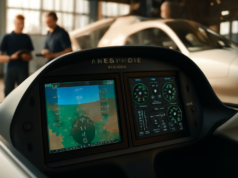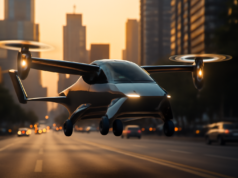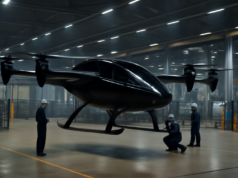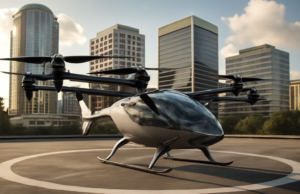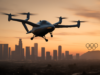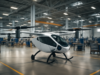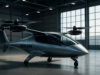
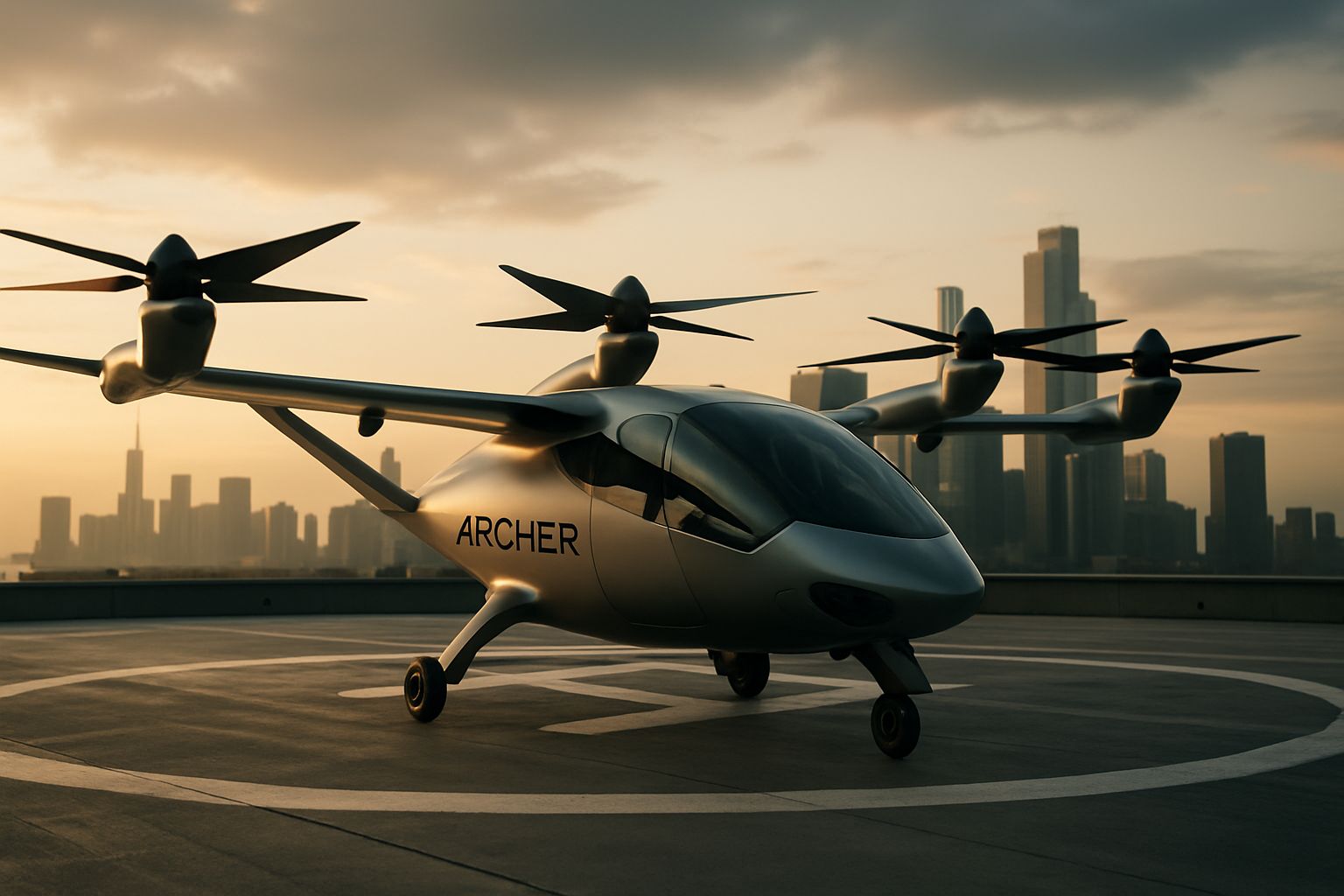
The electric aviation industry is experiencing a transformative moment as Archer Aviation continues to push the boundaries of autonomous flight technology. The recent unveiling of Archer’s autonomous aircraft represents a significant leap forward in the development of electric vertical takeoff and landing (eVTOL) vehicles designed for both commercial and military applications. This advancement demonstrates the company’s commitment to revolutionizing personal air mobility and establishing new standards for autonomous flight in the emerging Urban Air Mobility (UAM) sector.
Archer’s Autonomous Aircraft Innovation
Archer Aviation has made headlines with the announcement of its latest autonomous aircraft, a technological milestone that showcases years of research and development in electric propulsion and autonomous systems. The aircraft represents a fusion of cutting-edge aeronautical engineering and artificial intelligence, positioning it as a potential game-changer in the aviation industry. By combining autonomous capabilities with electric propulsion, Archer is addressing two critical industry challenges: sustainability and operational efficiency.
The autonomous aircraft features advanced flight control systems that enable it to navigate complex airspace without continuous pilot intervention. This level of autonomy opens unprecedented possibilities for reducing operational costs and improving safety in both commercial and military scenarios. The integration of multiple redundant systems ensures reliability and safety standards that meet or exceed current aviation regulations. Archer’s design philosophy prioritizes both technological innovation and practical real-world applicability.
The development of this autonomous platform builds on Archer’s extensive experience in designing electric aircraft for urban environments. The company’s previous iterations have demonstrated the viability of eVTOL technology, and the autonomous version represents the natural evolution of this technological progression. By eliminating the need for continuous pilot control, Archer’s autonomous aircraft promises to unlock new operational models that were previously impractical or economically unviable.
Commercial Applications and Market Potential
The commercial aviation sector stands to benefit enormously from Archer’s autonomous aircraft technology. Urban air mobility services, including air taxi operations and point-to-point transportation, could be revolutionized by autonomous eVTOL vehicles. These aircraft would enable efficient, scalable transportation solutions for congested metropolitan areas, reducing travel times and alleviating ground traffic congestion. Companies and entrepreneurs are already exploring business models that leverage autonomous aviation to provide rapid transit services in major cities worldwide.
The autonomous capabilities reduce labor costs associated with pilot training and employment, making commercial air mobility services more economically viable. This cost reduction could accelerate the timeline for widespread adoption of eVTOL services in urban centers. Archer’s autonomous aircraft could serve multiple market segments, from executive transportation to emergency medical services and last-mile logistics. The flexibility of the platform enables operators to adapt the aircraft for various specialized applications based on market demand.
Insurance and regulatory frameworks are gradually evolving to accommodate autonomous aviation, and Archer’s announcement signals confidence in the trajectory of these developments. As safety records improve and regulatory bodies gain experience with autonomous systems, commercial deployment becomes increasingly feasible. The company’s proactive approach to autonomous development positions it advantageously in a market where early movers in this technology category are likely to capture significant market share.
Military and Defense Applications
Beyond commercial markets, Archer’s autonomous aircraft has substantial military applications that interest defense agencies worldwide. Autonomous aircraft can perform surveillance, reconnaissance, and logistics missions with reduced risk to human personnel. Military operations benefit from the extended endurance and reduced operational costs that come with autonomous systems, particularly in remote or hostile environments. The ability to operate without onboard pilots opens new tactical possibilities for defense and security operations.
The autonomous platform’s applicability to military missions represents a strategic advantage for nations adopting this technology early. Intelligence, surveillance, and reconnaissance (ISR) missions, logistics transport, and border security operations can all be enhanced through autonomous eVTOL platforms. Archer’s development of military-grade autonomous systems demonstrates the company’s understanding of defense sector requirements and its commitment to serving this important market segment.
Defense partnerships and government contracts represent significant revenue opportunities for companies developing autonomous aerospace systems. Archer’s unveiling of military-capable autonomous aircraft may attract partnerships with military contractors and government agencies seeking advanced eVTOL solutions. These collaborations could accelerate development timelines and provide resources necessary for scaling production and deployment.
Technological Advancements and Safety Considerations
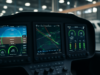
The autonomous aircraft unveiled by Archer incorporates state-of-the-art sensor technology, artificial intelligence algorithms, and advanced flight control systems. Multiple layers of redundancy ensure system reliability, with backup systems ready to engage if primary systems experience issues. The aircraft’s design emphasizes safety across all operational phases, from takeoff and landing to autonomous flight management. These safety-first design principles are essential for gaining regulatory approval and public acceptance.
Archer’s autonomous systems are designed to detect and respond to various emergency scenarios without human intervention. Obstacle avoidance, weather detection, and communication systems work in concert to maintain safe flight operations. The company has invested significant resources in developing the artificial intelligence algorithms that enable the aircraft to make complex decisions in real-time. Machine learning technologies continue to improve system performance based on accumulated flight data and operational experience.
Battery technology and electric propulsion systems have been optimized for autonomous operations, ensuring adequate range and endurance for practical commercial and military missions. The electric propulsion system’s simplicity compared to conventional turbine engines reduces mechanical complexity and improves reliability. Archer’s focus on efficient power management extends flight duration while maintaining the environmental benefits associated with electric aviation.
Regulatory Framework and Industry Standards
The development and deployment of autonomous aircraft require robust regulatory frameworks that ensure safety while enabling innovation. Aviation authorities are actively developing standards and certification procedures for eVTOL and autonomous aircraft. Archer’s proactive engagement with regulatory bodies helps shape these emerging standards, ensuring that the company’s autonomous platform can be certified and operated within established legal frameworks. Collaboration between manufacturers, regulators, and industry stakeholders is essential for creating appropriate oversight mechanisms.
International aviation organizations are working to harmonize regulations across jurisdictions, recognizing that autonomous aircraft will operate in international airspace. Archer’s autonomous aircraft must comply with requirements from multiple regulatory authorities, including the FAA in the United States and EASA in Europe. The company’s commitment to regulatory compliance and safety standards positions it well for eventual approval and deployment. Transparent communication with regulators and demonstrated safety records are critical for gaining certification.
The establishment of standardized procedures for autonomous flight operations, emergency procedures, and pilot-free operations will be essential for commercial scale-up. Archer participates in industry working groups that contribute to the development of these standards. As autonomous aircraft become more prevalent, uniform international standards will facilitate cross-border operations and accelerate the growth of the autonomous aviation sector globally.
Key Takeaways
- Archer Aviation has unveiled a revolutionary autonomous aircraft platform designed for commercial and military applications, representing a significant advancement in eVTOL technology and autonomous flight systems.
- The commercial aviation sector can leverage autonomous capabilities to reduce operational costs, improve safety, and enable new business models for urban air mobility and specialized transportation services.
- Military and defense applications offer substantial opportunities for autonomous eVTOL platforms in surveillance, reconnaissance, logistics, and border security operations with reduced operational risk.
- Advanced sensor technology, artificial intelligence systems, and redundant safety mechanisms ensure that Archer’s autonomous aircraft meets rigorous safety and reliability standards required by aviation authorities.
- Collaborative development of regulatory frameworks and industry standards between manufacturers, regulators, and stakeholders is essential for enabling safe and scalable autonomous aircraft deployment worldwide.
Archer Aviation’s announcement of its autonomous aircraft represents a watershed moment for the personal air mobility and eVTOL industries. By successfully integrating autonomous capabilities with electric propulsion technology, Archer is demonstrating that the future of aviation is not only cleaner and more sustainable but also more efficient and safer. The dual-use nature of this technology, spanning both commercial and military applications, positions autonomous aircraft as a transformative force across multiple sectors. As regulatory frameworks evolve and technology matures, Archer’s autonomous platform may become a foundational element of future transportation systems, reshaping how people and goods move through our cities and regions. The aviation industry stands at the threshold of a new era, and companies like Archer are leading the way toward a more autonomous, electric, and connected future for air mobility.