HIGHLIGHTS
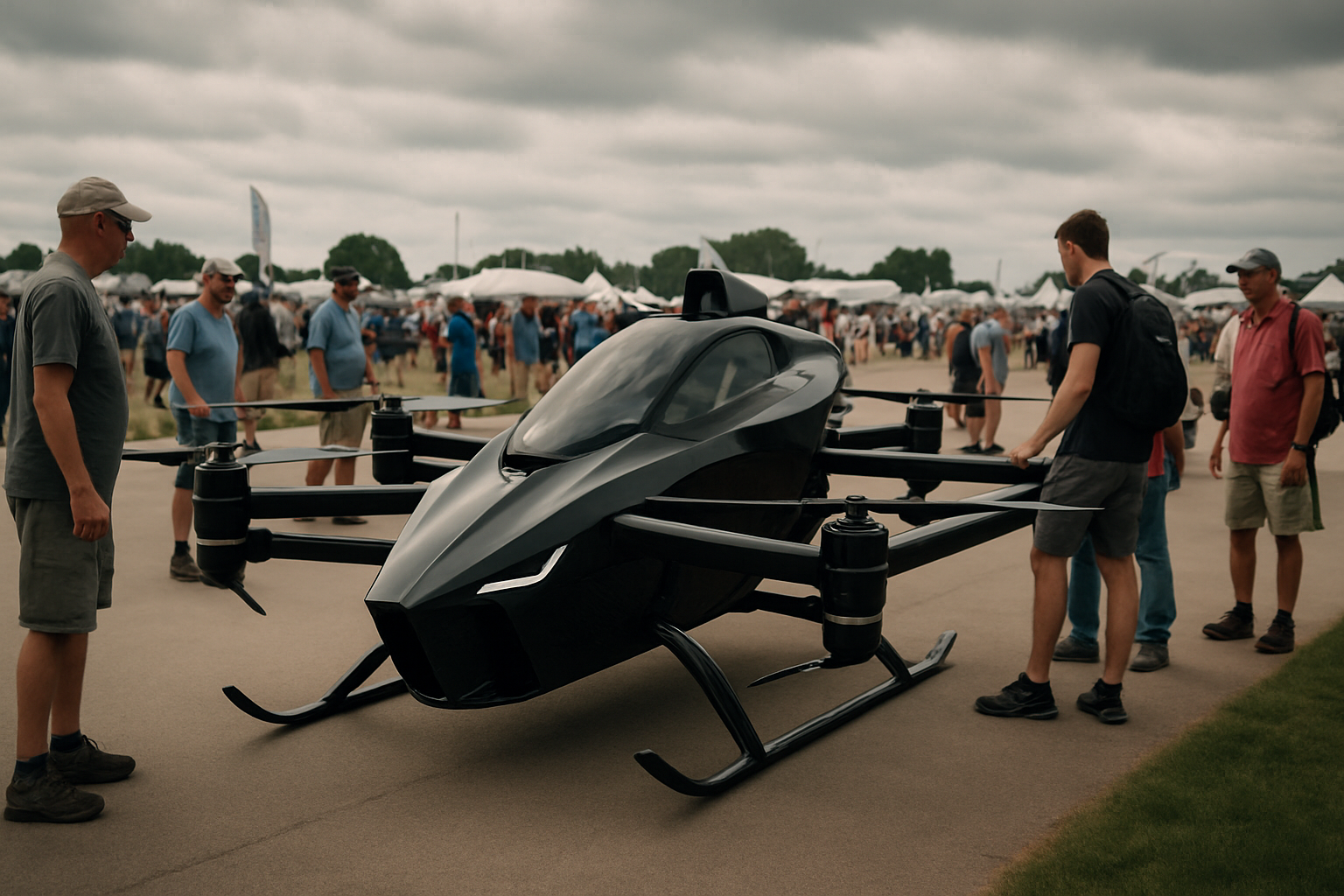
- Jetson’s personal eVTOL made its industry debut at EAA AirVenture Oshkosh 2026, one of aviation’s largest and most influential airshows.
- The aircraft arrives before regulatory approval for commercial passenger operations, positioning Jetson as a leader in the emerging urban air mobility sector.
- Multiple electric aircraft designs are competing to capture the personal air mobility market, signaling rapid industry growth and increased investor confidence.
Jetson’s long-awaited personal eVTOL aircraft has made its official debut at the EAA AirVenture Oshkosh 2026 airshow, marking a significant milestone in the race to commercialize electric vertical takeoff and landing vehicles for individual travelers. The aircraft’s appearance at one of aviation’s most prestigious events underscores the maturity of the personal air mobility sector and signals that commercial operations may be closer than many industry observers anticipated. With multiple electric aircraft competing for market share, Jetson’s presence at Oshkosh demonstrates the company’s commitment to transparency and engagement with the aviation community.
Jetson’s eVTOL: A Game-Changer for Personal Aviation
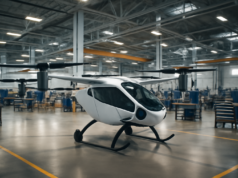
Jetson’s personal eVTOL represents a fundamental shift in how individuals may travel short to medium distances in urban and suburban environments. Unlike traditional helicopters, which require extensive pilot training and generate significant noise pollution, Jetson’s electric aircraft promises quiet, efficient, and potentially autonomous flight capabilities. The company’s focus on user accessibility has positioned it as one of the most consumer-oriented eVTOL developers in the industry, with design choices that prioritize safety and ease of operation.
The aircraft’s appearance at Oshkosh 2026 comes at a critical juncture in the personal air mobility industry. Regulatory frameworks are still being finalized, yet multiple manufacturers have demonstrated working prototypes and secured significant funding. Jetson’s decision to showcase its aircraft publicly reflects confidence in both the technology’s viability and the regulatory trajectory that will govern commercial operations. This transparency has earned the company respect among aviation professionals and potential early adopters.
What sets Jetson’s approach apart from competitors is its emphasis on making eVTOL technology accessible to the average consumer rather than exclusively targeting high-net-worth individuals or commercial operators. While most competitors have focused on air taxi services or cargo delivery, Jetson has maintained its vision of enabling individual ownership and operation of personal electric aircraft. This consumer-centric strategy could prove transformative if the company successfully navigates regulatory approval and manufacturing scale-up challenges.
Oshkosh 2026: The Electric Aircraft Revolution Takes Center Stage
EAA AirVenture Oshkosh has long been a bellwether for aviation innovation, and the 2026 event demonstrated conclusively that electric propulsion has become mainstream in aircraft development. The presence of multiple electric aircraft designs, from personal eVTOLs to regional air mobility platforms, indicated that the industry consensus has shifted decisively away from skepticism and toward acceptance of electric aviation as a legitimate transportation solution. For Jetson, the timing of Oshkosh 2026 proved ideal for capturing media attention and demonstrating the aircraft’s readiness for the market.
The airshow provided an unprecedented opportunity to showcase electric aviation technology to a diverse audience comprising aviation enthusiasts, industry professionals, government regulators, and potential investors. By displaying its aircraft alongside established manufacturers and emerging competitors, Jetson positioned itself as a credible player in a rapidly expanding market. The exposure generated by the airshow extends far beyond the physical venue, with extensive media coverage amplifying the company’s message to global audiences interested in the future of personal transportation.
Oshkosh’s role as an innovation platform cannot be overstated. Throughout the airshow’s history, transformative aviation technologies have debuted at EAA’s signature event, from the earliest homebuilt aircraft to composite structures and advanced avionics. Jetson’s presence in this lineage suggests that industry insiders recognize the company’s potential to reshape personal aviation. The energy and excitement surrounding electric aircraft at Oshkosh 2026 contrasts sharply with the skepticism that dominated discussions of eVTOLs just five years prior.
Regulatory Approval and the Path to Commercial Operations
A critical aspect of Jetson’s Oshkosh debut is that it occurred before the company has secured regulatory approval for commercial passenger operations. This timing reflects the maturity of the certification process; regulators and manufacturers now have sufficient confidence in eVTOL technology to allow public demonstration and industry engagement before final approval. The FAA, EASA, and other aviation authorities have been developing special airworthiness certification specifications tailored to eVTOL aircraft, creating a structured pathway for manufacturers to achieve compliance.
The regulatory landscape for eVTOLs has evolved dramatically in recent years. Rather than attempting to force electric aircraft into certification frameworks designed for conventional helicopters and airplanes, regulators have recognized the unique characteristics of eVTOL technology and have developed appropriately tailored standards. These new frameworks address the specific challenges of electric propulsion, battery safety, and autonomous or semi-autonomous flight operations. Jetson’s appearance at Oshkosh suggests the company is on track to meet these evolving certification requirements.
Industry observers anticipate that the first commercial eVTOL operations in major markets will occur within the next 24 to 36 months, with initial applications likely focused on air taxi services in congested urban areas before expanding to personal ownership. Jetson’s timeline for certification and commercialization remains one of the most aggressive in the industry, with company leadership previously indicating ambitions for early commercial operations. The Oshkosh debut sends a signal to regulators and potential customers that Jetson believes the time for commercial eVTOL operations is imminent.
The Competitive Landscape: Multiple Players Pursuing the Prize
Jetson’s Oshkosh debut occurs within a highly competitive environment where numerous companies are pursuing personal air mobility solutions. Established aerospace manufacturers including Boeing, Airbus, and smaller regional aircraft companies have invested in eVTOL programs. Additionally, numerous venture-backed startups have captured significant funding to develop competing designs. This competitive intensity reflects both the enormous potential market size and the technological feasibility that recent advances have demonstrated.
The diversity of eVTOL designs on display at Oshkosh 2026 is striking. Some aircraft prioritize efficiency and range, while others emphasize passenger capacity or cargo flexibility. Some designs are fully autonomous, while others require a pilot. This variety suggests that no single design philosophy has emerged as dominant, and different applications may require different engineering solutions. Jetson’s specific approach—emphasizing personal ownership and relatively simple operation—represents one of several viable market segments within the broader eVTOL ecosystem.
Competition among eVTOL manufacturers will ultimately benefit consumers and accelerate industry development. As companies compete for regulatory approval, manufacturing partnerships, and early customer adoption, the pace of innovation and quality improvement will likely accelerate. Jetson faces intense pressure to deliver on its promises of affordability, reliability, and ease of operation. The Oshkosh airshow provided a platform to demonstrate that the company is making meaningful progress toward these ambitious objectives.
Key Takeaways from Jetson’s Oshkosh Debut
- Jetson’s eVTOL showcased advanced electric aircraft technology to aviation professionals and enthusiasts, signaling the company’s confidence in imminent regulatory approval and commercialization timelines.
- Multiple electric aircraft designs competing at Oshkosh 2026 demonstrate that eVTOL technology has transitioned from experimental concept to mature, market-ready product category.
- The appearance of personal eVTOLs before full commercial certification reflects evolved regulatory frameworks that now specifically address electric aircraft characteristics and enable faster approval pathways.
Jetson’s personal eVTOL aircraft made a powerful statement at EAA AirVenture Oshkosh 2026, demonstrating that the personal air mobility revolution is transitioning from concept to commercial reality. The aircraft’s debut before commercial passenger approval highlights the accelerated maturation of eVTOL technology and regulatory frameworks designed to facilitate rapid deployment. As Jetson competes against numerous other manufacturers pursuing the personal air mobility market, the company’s emphasis on accessibility, user-friendliness, and individual ownership positions it to capture significant market share in this emerging transportation sector. The next 12-24 months will be critical as Jetson and its competitors navigate final regulatory hurdles and begin delivering aircraft to early adopters who are eager to experience the future of personal aviation.