HIGHLIGHTS
- Horizon Aircraft secures letter of intent for up to 100 hybrid eVTOL aircraft, representing one of the largest production commitments in advanced air mobility to date.
- Hybrid-electric propulsion technology offers extended range and reduced operational costs compared to fully electric eVTOL alternatives.
- Production order demonstrates growing market confidence in commercial eVTOL viability and validates hybrid propulsion as practical near-term solution.
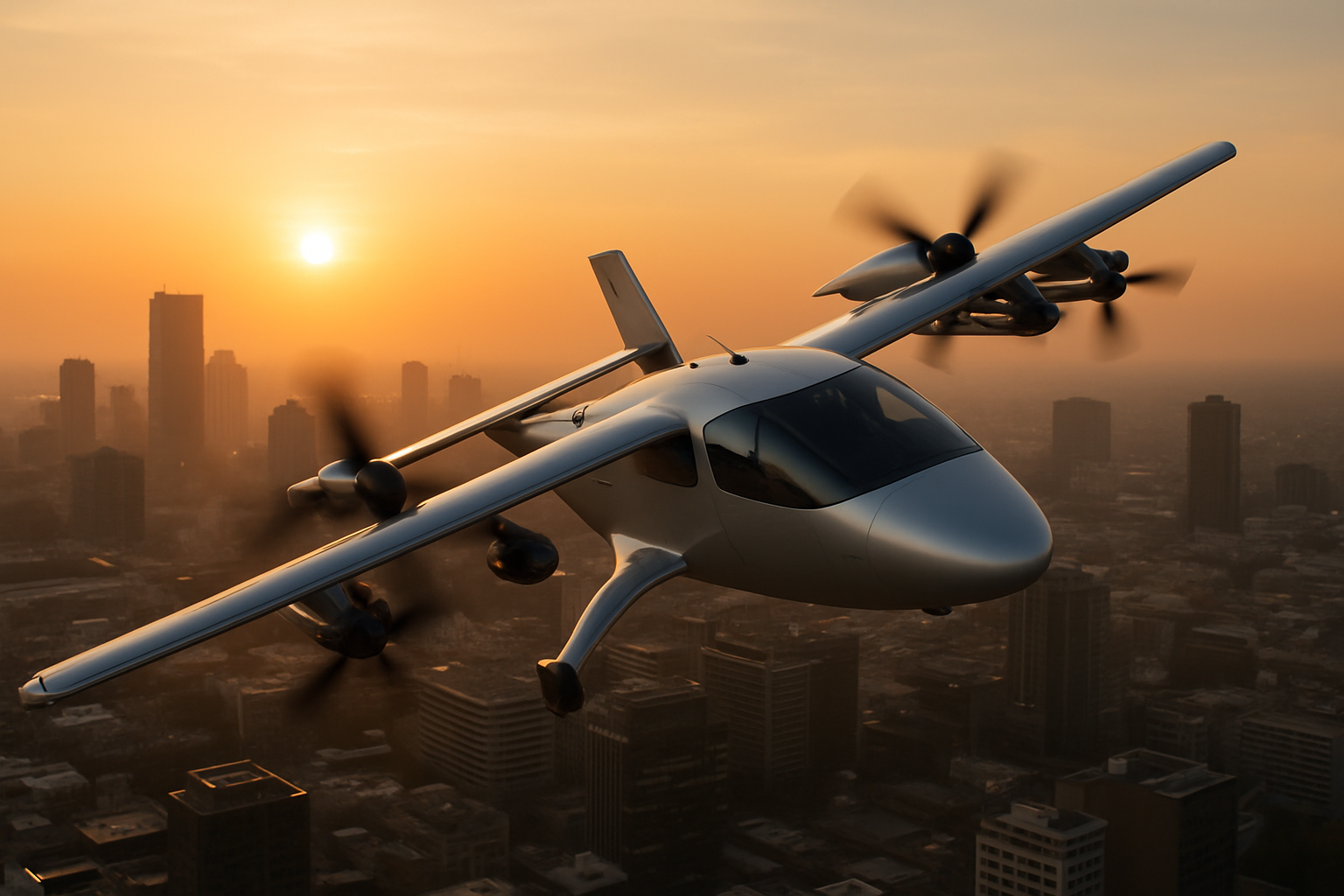
Horizon Aircraft has announced a significant milestone in the advanced air mobility sector, securing a letter of intent (LOI) to deliver up to 100 hybrid electric vertical takeoff and landing (eVTOL) aircraft. This substantial production commitment represents a watershed moment for the emerging personal air mobility industry, signaling growing confidence from operators and investors in hybrid-electric propulsion technology as a viable near-term solution for commercial eVTOL operations.
Major Production Milestone for Horizon Aircraft
The letter of intent to purchase up to 100 hybrid eVTOL aircraft positions Horizon Aircraft as a serious contender in the competitive advanced air mobility landscape. This production order reflects the company’s technological maturity and demonstrates that operators are ready to commit substantial capital to hybrid-electric solutions. The scale of this commitment—potentially reaching 100 units—would represent one of the largest single production orders for eVTOL aircraft to date, underscoring the market’s readiness for commercial deployment.
Horizon Aircraft’s hybrid propulsion architecture addresses one of the most pressing challenges facing the eVTOL industry: battery energy density and range limitations. By combining electric motors with hybrid power sources, the company has developed a platform that extends operational range and payload capacity beyond what fully electric competitors can currently offer. This technological differentiation has proven attractive to potential operators who require versatility across diverse mission profiles and geographic service areas.
The timing of this announcement is particularly significant for the aerospace manufacturing sector. As regulatory frameworks mature and certification pathways become clearer, operators are accelerating their procurement strategies and locking in production slots with manufacturers demonstrating advanced technology readiness. Horizon Aircraft’s ability to secure such a substantial LOI validates their engineering approach and positions the company favorably within the competitive eVTOL ecosystem.
Hybrid-Electric Propulsion: The Practical Path Forward
Hybrid-electric propulsion systems represent a pragmatic middle ground between current helicopter operations and fully electric eVTOL aspirations. By combining lightweight electric motors for low-speed vertical takeoff and landing with hybrid power systems for cruise flight, these aircraft deliver the operational flexibility that commercial operators demand. Horizon Aircraft’s hybrid configuration allows operators to conduct multiple short-haul routes on a single energy charge while maintaining the agility and urban landing capability that defines the eVTOL value proposition.
The operational advantages of hybrid propulsion extend beyond range and endurance. Hybrid systems reduce dependency on charging infrastructure during the critical early deployment phase, enabling operators to establish profitable routes without requiring comprehensive ground support networks. This infrastructural flexibility accelerates market entry and reduces capital requirements for operators launching new air mobility services. Additionally, hybrid propulsion maintains a significant environmental advantage over conventional rotorcraft while addressing near-term battery technology limitations.
Horizon Aircraft’s hybrid approach also demonstrates superior economics during the transition period between prototype development and mass production. Hybrid systems leverage existing combustion engine manufacturing expertise and supply chains, reducing certification complexity and production costs. This economic advantage translates to lower aircraft prices and improved unit economics for operators, creating a sustainable market dynamic that encourages broader adoption across diverse operator segments.
Market Validation and Operator Confidence
The announcement of this 100-aircraft LOI represents powerful validation from the operator community that hybrid eVTOL technology has achieved sufficient maturity for commercial deployment. Operators undertaking such commitments have conducted extensive technical evaluations, regulatory research, and financial modeling to justify these purchase decisions. This due diligence process confirms that Horizon Aircraft’s technology satisfies stringent operational and economic requirements that real-world operators impose on new aircraft platforms.
Market confidence in Horizon Aircraft’s platform extends beyond the primary operator. The visibility of this substantial LOI signals to other potential customers, investors, and supply chain partners that hybrid eVTOL aircraft represent a bankable opportunity. This confidence multiplier effect accelerates ecosystem development, encourages component suppliers to invest in eVTOL-specific solutions, and attracts capital to the broader advanced air mobility sector. Each successful production commitment creates positive momentum that attracts subsequent investments and customer interest.
The operator’s willingness to commit to such a large production order indicates confidence in regulatory pathways and certification timelines for hybrid eVTOL aircraft. Operators structure such LOIs with risk mitigation provisions that protect against regulatory delays or fundamental certification challenges. The fact that operators are willing to accept these risks at scale suggests they have received regulatory feedback indicating a clear path to certification for hybrid eVTOL platforms within reasonable timeframes.
Implications for the Advanced Air Mobility Industry
Horizon Aircraft’s 100-aircraft LOI establishes a new scale benchmark for eVTOL production commitments and validates hybrid-electric propulsion as the dominant near-term technology pathway. While fully electric eVTOL manufacturers continue pursuing battery technology improvements, this order demonstrates that operators are unwilling to wait for transformative battery breakthroughs when capable hybrid solutions are available today. This market preference will likely influence capital allocation across the eVTOL industry, with investors gravitating toward manufacturers with proven hybrid-electric platforms.
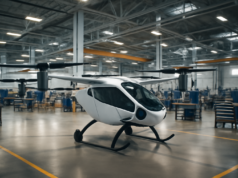
The production commitment also illuminates manufacturing and supply chain implications for the aerospace sector. Scaling production from prototype units to 100 aircraft requires substantial manufacturing infrastructure investment, supply chain coordination, and workforce development. Horizon Aircraft and its supply chain partners will need to establish quality control systems, production workflows, and inventory management processes that maintain cost efficiency while meeting regulatory certification requirements. These manufacturing challenges will shape the competitive landscape as other manufacturers attempt to scale their own production capacity.
Looking forward, this announcement establishes important market momentum for commercial eVTOL deployment. As Horizon Aircraft executes against this production order, the company will generate operational data, regulatory precedent, and customer success stories that will accelerate adoption across the entire advanced air mobility sector. Each successfully delivered aircraft and completed route becomes evidence supporting the business case for eVTOL services, attracting additional operators and expanding the addressable market for manufacturers.
Key Strategic Considerations for the Industry
- Hybrid propulsion technology is achieving market acceptance faster than fully electric alternatives, suggesting the near-term eVTOL market will be dominated by hybrid architectures rather than battery-electric platforms
- Production orders at this scale require mature manufacturing capabilities and demonstrated regulatory readiness, creating competitive advantages for manufacturers with established aerospace industry credentials
- Operator confidence in specific platforms drives capital investment and ecosystem development, creating network effects that advantage early market leaders in eVTOL manufacturing
- Supply chain coordination and manufacturing quality control represent critical competitive factors as manufacturers scale from prototype to production operations
- Regulatory certification success for hybrid eVTOL platforms will establish precedent and pathways that accelerate certification for subsequent manufacturer programs
Horizon Aircraft’s announcement of a letter of intent to deliver up to 100 hybrid eVTOL aircraft represents a transformative moment for advanced air mobility. This production commitment validates hybrid-electric propulsion technology, demonstrates operator market readiness, and establishes meaningful scale for eVTOL manufacturing. As Horizon Aircraft works toward fulfilling this order, the company will generate crucial operational data and regulatory precedent that will shape the trajectory of the entire personal air mobility industry for years to come. The advanced air mobility sector has transitioned from concept and prototype validation to genuine commercial production, marking the beginning of a new era in aerospace innovation.