HIGHLIGHTS
- AutoFlight’s single eVTOL platform serves multiple critical roles: air taxi transport, emergency firefighting, and commercial cargo delivery
- Chinese aviation startup targets underserved regional air mobility markets with lower operational costs than traditional aircraft
- Multi-role capability reduces fleet complexity and increases revenue potential for operators across emergency response and logistics sectors
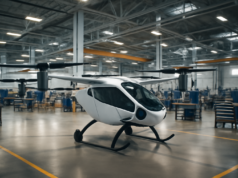
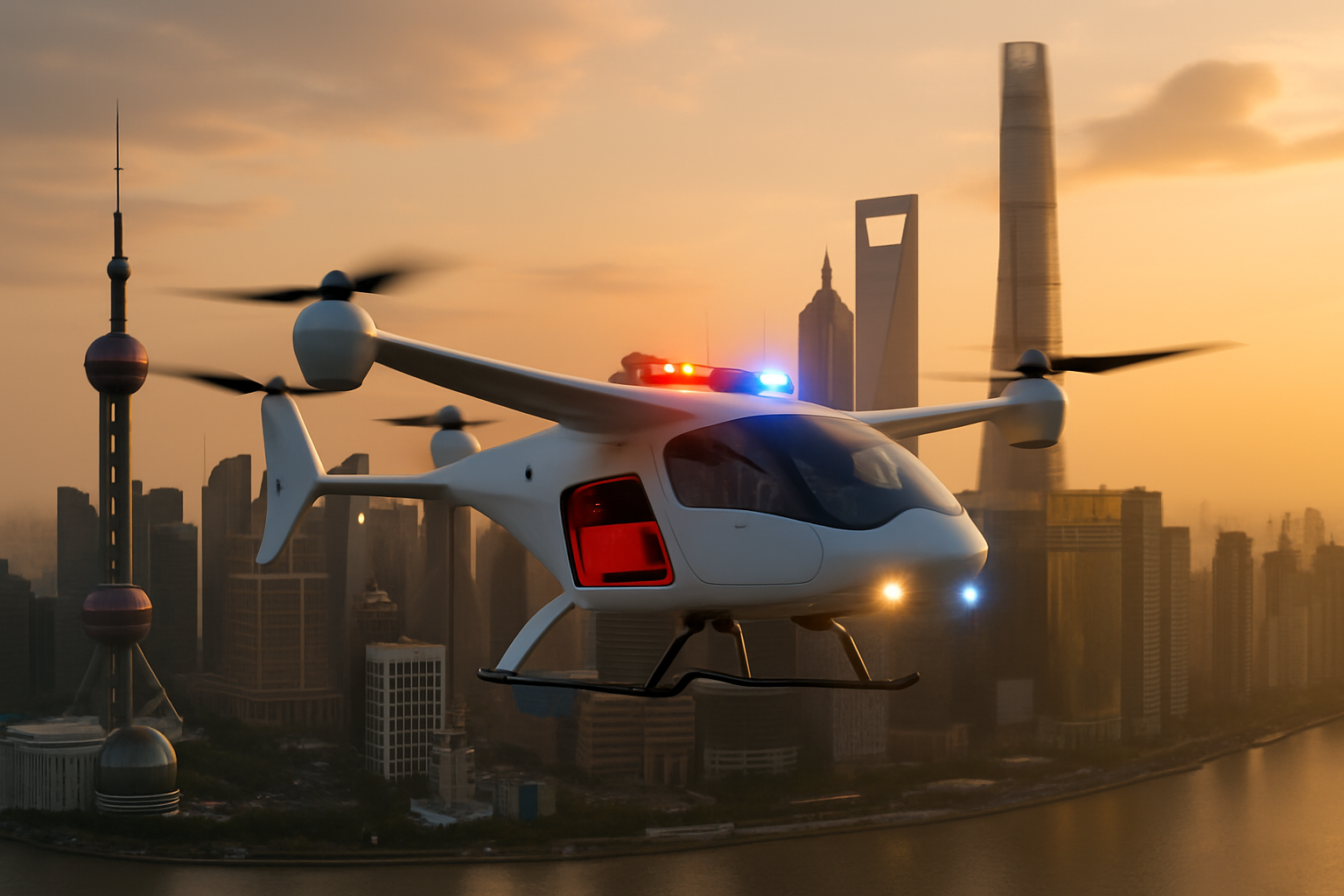
AutoFlight, an emerging Chinese aviation startup, has unveiled an innovative electric vertical takeoff and landing (eVTOL) aircraft designed to serve multiple critical roles—functioning simultaneously as an air taxi for passenger transport, an emergency firefighting platform, and a cargo hauling system. This multi-purpose approach represents a significant strategic shift in the competitive eVTOL market, where manufacturers typically focus on single-use applications. AutoFlight’s versatile design aims to maximize operational efficiency and revenue generation for potential operators while addressing diverse regional air mobility needs across China and beyond.
AutoFlight’s Multi-Role eVTOL Platform Strategy
The core innovation behind AutoFlight’s eVTOL is its modular design philosophy, which enables rapid reconfiguration between passenger, emergency response, and cargo missions. Rather than requiring operators to maintain separate aircraft fleets for different applications, the company has engineered a single airframe that accommodates interchangeable payload systems and interior configurations. This approach dramatically reduces capital expenditure barriers for regional operators and emergency services considering eVTOL adoption.
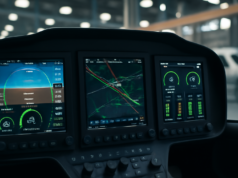
AutoFlight’s engineering team prioritized payload flexibility during the aircraft’s development phase, designing robust attachment points and standardized interfaces that allow seamless transitions between mission types. The electrical and avionics architecture supports autonomous or piloted operations, enabling the aircraft to function effectively whether transporting passengers during peak urban mobility hours or repositioning rapidly for emergency response calls during off-peak periods. This technological foundation positions AutoFlight’s platform as a genuine multifunction platform rather than a compromised design attempting to serve multiple roles suboptimally.
The company has conducted extensive feasibility studies across Chinese regional markets to validate demand for such multi-role solutions. Preliminary data indicates that regional operators could achieve significantly higher aircraft utilization rates—and therefore improved unit economics—by serving diverse customer segments rather than betting exclusively on air taxi demand. This market validation provides AutoFlight with confidence in its strategic direction and helps differentiate the company within an increasingly crowded eVTOL development landscape.
Air Taxi and Passenger Transport Capabilities
For urban air mobility applications, AutoFlight’s eVTOL accommodates 4-6 passenger configurations, enabling rapid point-to-point transit connections across metropolitan areas and regional city pairs. The aircraft’s flight endurance and range characteristics position it as suitable for typical urban commute distances of 50-150 kilometers, which aligns with established demand projections for Chinese air taxi networks. Safety systems include redundant battery management, distributed electric propulsion architecture, and advanced flight control automation designed to exceed regulatory standards under development by Chinese aviation authorities.
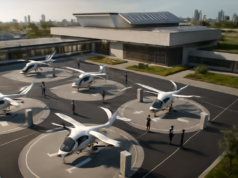
The passenger experience design incorporates low-noise operations—a critical requirement for urban deployment—alongside comfortable seating arrangements and climate control systems expected by premium mobility customers. AutoFlight’s engineering targets door-to-door journey times competitive with ground-based transportation during peak traffic periods, particularly for routes connecting business districts, airports, and logistics hubs. The aircraft’s vertical takeoff and landing capabilities eliminate dependency on expensive ground infrastructure like traditional runways, enabling operations from distributed vertiports strategically located throughout urban environments.
Regulatory integration remains a critical success factor for air taxi deployment. AutoFlight has engaged proactively with Chinese regulatory bodies including the Civil Aviation Administration of China (CAAC) to shape emerging certification standards. This collaborative approach helps ensure that the company’s design meets future regulatory requirements, reducing development delays and streamlining the path toward commercial operations. Early regulatory feedback has validated many of AutoFlight’s design choices and technical approaches.
Emergency Response and Firefighting Applications
Beyond passenger transport, AutoFlight has optimized its eVTOL platform for emergency response missions, particularly aerial firefighting in regions where traditional helicopter operations face geographic or economic constraints. The aircraft can be rapidly reconfigured with water-dropping systems, thermal imaging equipment, and specialized nozzle arrays suitable for various fire suppression scenarios. This emergency response capability addresses a significant gap in China’s wildfire management infrastructure, particularly in remote mountainous regions where ground access remains limited.
The speed and operational flexibility of eVTOL aircraft provide unprecedented advantages for emergency response coordination. AutoFlight’s platform can reach remote fire zones in minutes rather than hours, enabling faster water delivery and real-time aerial reconnaissance that informs ground-based firefighting strategies. The aircraft’s electric propulsion generates minimal vibration, improving sensor imaging quality and reducing equipment stress during extended surveillance missions. Battery endurance sufficient for 30-45 minute patrol and water-drop cycles positions the platform as viable for extended emergency operations.
Chinese provincial governments and emergency management authorities have expressed strong interest in eVTOL-based firefighting solutions, particularly following devastating wildfire seasons that overwhelmed traditional response capabilities. Partnerships between AutoFlight and regional emergency services could accelerate platform development and validate operational procedures before broader commercial deployment. This institutional support from government stakeholders provides a robust market foundation distinct from speculative air taxi demand alone.
Cargo and Logistics Integration
The cargo hauling variant of AutoFlight’s platform targets the high-growth logistics sector, where last-mile delivery inefficiencies create substantial economic pressure and environmental challenges. With payload capacities of 100-200 kilograms and flight ranges compatible with regional distribution networks, the aircraft enables rapid parcel delivery across metropolitan and suburban areas. Operators can achieve significant cost reductions compared to ground-based courier services, particularly on time-sensitive routes or geographic regions with congested transportation networks.
E-commerce growth in China continues driving demand for faster, more efficient logistics solutions. Regulatory frameworks governing autonomous cargo eVTOL operations are advancing rapidly, supported by successful experimental programs in special economic zones and innovation hubs. AutoFlight’s cargo configuration includes temperature-controlled container options suitable for pharmaceutical, fresh food, and temperature-sensitive cargo—market segments with premium willingness-to-pay for reliable, rapid delivery.
The logistics integration strategy positions AutoFlight to capture value from multiple revenue streams simultaneously. A single operator deploying 10-20 aircraft could theoretically serve air taxi passengers during peak commuting hours, emergency response missions during business hours, and autonomous cargo delivery during evening and overnight periods. This operational flexibility transforms aircraft utilization economics and creates sustainable business models that transcend dependence on any single market segment.
Market Impact and Competitive Positioning
AutoFlight’s multi-role strategy differentiates the company from competitors pursuing single-application eVTOL designs. While manufacturers like EHang Holdings focus primarily on air taxi applications and others emphasize cargo delivery, AutoFlight’s integrated approach addresses multiple customer segments from a unified platform. This positioning provides significant competitive advantages in market penetration, risk mitigation, and long-term revenue sustainability.
The Chinese eVTOL market remains nascent but rapidly expanding, with over 50 domestic and international companies pursuing various technical approaches and market strategies. Government support for aviation innovation, substantial venture capital investment, and regulatory openness create favorable conditions for rapid platform development and deployment. AutoFlight’s founding team brings extensive experience from aerospace, autonomous systems, and electric propulsion sectors, providing technical credibility and operational expertise necessary for successful commercialization.
International implications extend beyond Chinese borders, as successful multi-role eVTOL deployment in China could accelerate global adoption patterns. Manufacturers in Europe, North America, and other regions may adapt similar versatility strategies in response to market validation emerging from AutoFlight’s operations. Regulatory frameworks governing eVTOL certification are likely to influence worldwide standards, making AutoFlight’s engagement with Chinese authorities particularly significant for industry-wide development trajectories.
Key Market Takeaways
- Multi-role platform economics create superior unit economics compared to single-application aircraft designs
- Emergency response and firefighting applications provide near-term revenue streams while air taxi markets mature
- Chinese regulatory support and government partnerships accelerate deployment timelines relative to international competitors
AutoFlight’s innovative eVTOL platform demonstrates how strategic design decisions can create competitive advantages extending beyond technical specifications. By engineering flexibility into core architectural systems, the company has positioned itself to serve multiple markets simultaneously, reducing dependence on any single demand forecast while maximizing aircraft utilization and revenue potential. As regulatory frameworks evolve and operational experience accumulates, AutoFlight’s multi-role approach may establish the industry standard for sustainable, profitable eVTOL operations in regional markets worldwide. The coming years will determine whether this strategic approach becomes the dominant paradigm or remains a specialized niche within the broader personal air mobility ecosystem.