HIGHLIGHTS
- SASMOS and ePlane Company integrate e200X electrical wiring system into eVTOL aircraft design for enhanced reliability and performance.
- Partnership demonstrates aerospace industry movement toward standardized electrical systems for electric vertical takeoff and landing platforms.
- e200X system represents critical advancement in power distribution technology for next-generation electric aircraft propulsion.
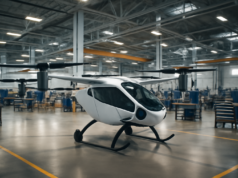
The rapidly evolving eVTOL industry is reaching critical milestones in electrical system standardization, as suppliers and manufacturers collaborate to establish reliable, scalable solutions for electric vertical takeoff and landing aircraft. SASMOS, a leading aerospace electrical systems provider, has announced a strategic partnership with ePlane Company to integrate the advanced e200X electrical wiring system into next-generation eVTOL platforms. This collaboration marks a significant step forward in the commercialization of electric air mobility, addressing one of the industry’s most pressing technical challenges: efficient, lightweight power distribution systems capable of handling the demanding requirements of electric propulsion.
The Critical Role of Electrical Systems in eVTOL Development
Electrical systems represent the backbone of modern eVTOL aircraft design, fundamentally different from traditional aviation electrical architecture. Unlike conventional aircraft that rely on hydraulic and pneumatic systems, eVTOLs depend almost entirely on sophisticated electrical networks to manage propulsion, battery management, flight control, and redundant safety systems. The e200X system represents a purpose-built solution specifically engineered for these unique demands, incorporating advances in conductor technology, insulation materials, and connector design that optimize for weight reduction without compromising performance or safety margins.
The integration of advanced electrical systems directly impacts several critical performance metrics that determine eVTOL market viability. Power distribution efficiency influences battery consumption rates, extending range and reducing operational costs per flight hour. System reliability affects maintenance intervals and downtime, directly impacting the unit economics of air mobility operators. Weight savings achieved through optimized wiring architectures translate directly to increased payload capacity or extended endurance—both essential for commercial competitiveness in delivery, emergency response, and passenger transport applications.
SASMOS brings decades of aerospace electrical expertise to this partnership, having supported military and commercial aviation programs requiring the highest standards of electrical system integration. The company’s involvement signals confidence in ePlane Company’s technical approach and market potential, while ePlane’s selection of e200X demonstrates the growing recognition that standardized, proven electrical platforms accelerate the path to certification and production readiness. This collaborative approach reflects the mature mindset now emerging in the eVTOL sector, where companies recognize that shared technical standards and quality components benefit the entire ecosystem.
Advanced Features of the e200X Electrical Wiring System
The e200X system incorporates several technological innovations specifically designed to meet the rigorous demands of electric aircraft propulsion. The platform features enhanced conductor materials that reduce electrical resistance while minimizing weight, critical for systems managing hundreds of kilowatts of continuous power flow across complex flight profiles. The system’s architecture includes integrated monitoring and diagnostics capabilities, enabling real-time assessment of electrical system health and predictive maintenance scheduling—essential for achieving the operational reliability required by commercial air mobility operators.
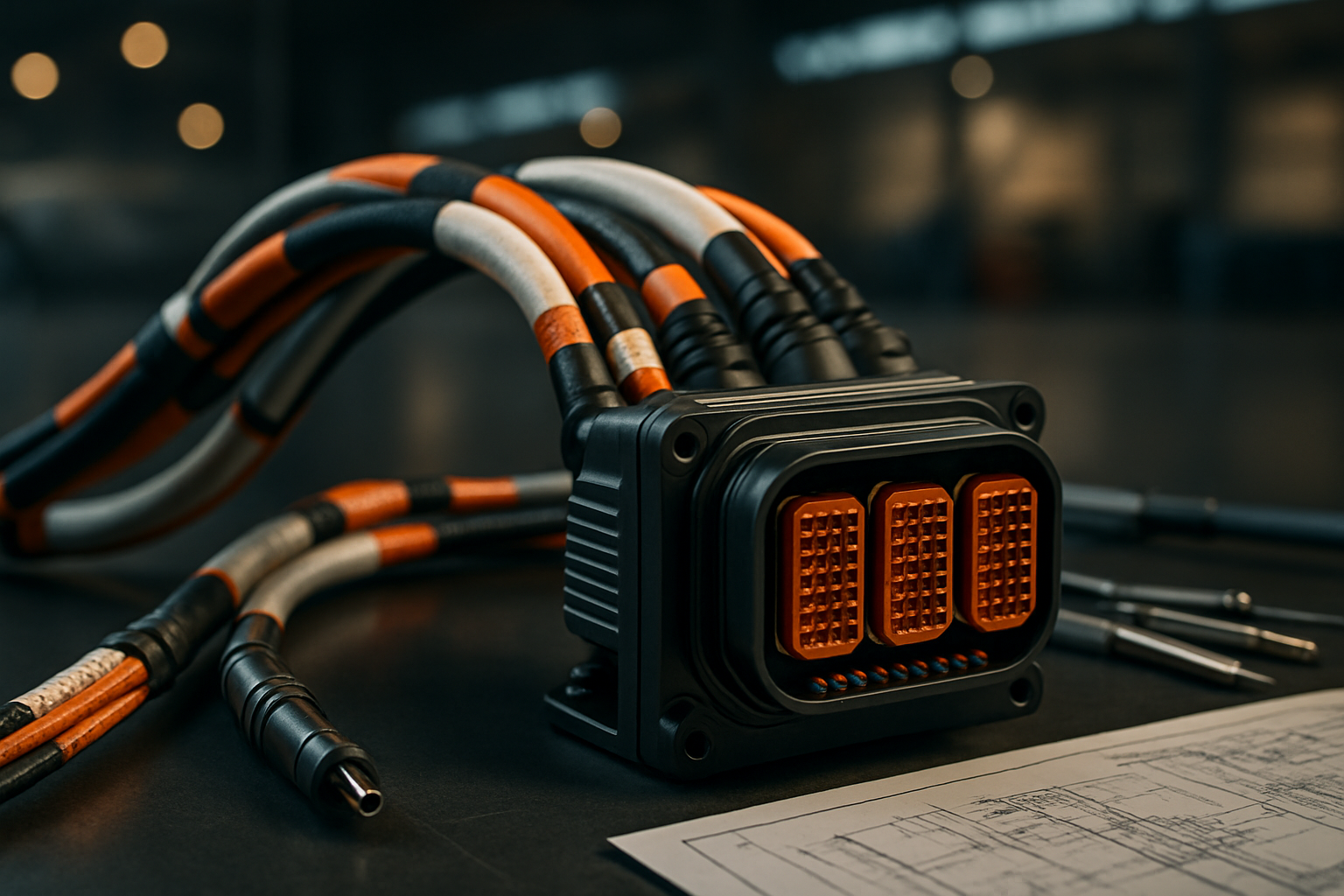
Connector technology represents another area where e200X demonstrates meaningful advancement over previous-generation solutions. The system employs high-contact-count connectors capable of safely managing peak power transients during rapid throttle changes and multi-motor configurations typical of distributed electric propulsion architectures. Enhanced environmental sealing protects against moisture ingress and corrosion in high-altitude flight conditions, while modular connector design allows rapid assembly and disassembly for maintenance and component replacement, directly reducing turnaround times between flights.
Redundancy and fault-tolerance capabilities embedded throughout the e200X architecture address one of aviation’s most stringent requirements: the ability to maintain controlled flight and safe landing capabilities even when individual system components experience degradation or failure. The platform supports multiple independent power paths and distribution channels, allowing aircraft to redistribute power loads automatically in response to system faults. This architectural resilience proves particularly important for eVTOL applications where weight constraints previously forced compromises in system redundancy, but where the demands of urban air mobility operations now require military-grade reliability standards.
Impact on ePlane Company’s eVTOL Program
ePlane Company’s selection of SASMOS and the e200X system positions the company advantageously within the increasingly competitive eVTOL development landscape. The partnership accelerates the company’s path toward prototype flight testing and eventual type certification, by leveraging proven electrical system architecture rather than undertaking independent electrical system development. This approach allows ePlane’s engineering team to concentrate resources on airframe optimization, flight control systems, and unique design features that differentiate their aircraft in the market, while relying on a specialist partner for electrical systems integration.
The collaboration also strengthens ePlane Company’s positioning with potential regulatory partners and certification authorities. Aviation regulators—including the FAA, EASA, and equivalent authorities in other countries—increasingly recognize that advanced eVTOL programs utilizing established, proven subsystems navigate the certification process more efficiently. Regulators can review SASMOS’s e200X system documentation and qualification history separately from ePlane’s unique aircraft design, allowing parallel certification workstreams that compress overall development timelines. This certification efficiency directly translates to faster time-to-market and reduced development costs, improving the company’s financial viability and investor appeal.
From an operational perspective, ePlane aircraft equipped with e200X systems benefit from the extensive technical support infrastructure SASMOS provides to military and aerospace customers. The company offers comprehensive training, field service expertise, and component logistics support that reduce operator burden and accelerate adoption among air mobility service providers. This full-service approach differentiates ePlane’s offering from competitors who may rely on less-established electrical system suppliers, creating competitive advantages in securing operator partnerships and fleet orders.
Broader Implications for eVTOL Industry Standardization
The SASMOS-ePlane partnership exemplifies a broader trend toward systems integration and standardization within the eVTOL industry. As the sector matures beyond initial prototype demonstrations toward production-scale operations, market pressures increasingly favor modular architectures built on proven, reusable components rather than fully custom-designed platforms. This shift reflects lessons learned from the aerospace industry’s evolution, where standardized systems like avionics suites (Garmin G1000, Collins Pro Line Fusion) accelerated certification timelines and reduced development costs across multiple aircraft programs simultaneously.
Industry momentum toward standardized electrical systems also facilitates supply chain development and component sourcing strategies essential for scaling eVTOL manufacturing. When multiple aircraft manufacturers standardize on proven electrical system platforms, suppliers gain confidence to invest in production capacity, vertical integration, and quality infrastructure improvements that reduce per-unit costs and improve supply reliability. This virtuous cycle of standardization, increased volume, and cost reduction has driven affordability improvements across aviation for decades, and early signs suggest the same dynamic is beginning to activate within the eVTOL sector.
Regulatory authorities also benefit from standardization momentum, as harmonized electrical system approaches reduce the scope of technical review required for individual aircraft certification programs. When the FAA, EASA, and other civil aviation authorities validate a particular electrical architecture once, that validation applies across multiple aircraft programs utilizing the same system, accelerating the entire industry’s path toward widespread certification. This regulatory efficiency directly enables faster deployment of commercial air mobility services, benefiting consumers through expanded service availability and competitive pricing pressures that reduce operating costs.
Competitive Positioning and Market Outlook
SASMOS’s partnership with ePlane Company reflects the company’s strategic positioning as a preferred supplier to high-potential eVTOL developers. While numerous electrical system suppliers compete for eVTOL business, SASMOS brings established aerospace credentials, regulatory relationships, and technical depth that differentiate it from newer entrants. The company’s willingness to invest engineering resources in customizing e200X for ePlane’s specific requirements demonstrates confidence in the program’s technical merit and commercial viability, a vote of confidence that carries weight with investors and operators evaluating ePlane’s aircraft.
The partnership also positions SASMOS strategically within the broader eVTOL supply ecosystem, establishing the company as a trusted partner for emerging manufacturers. As the eVTOL industry continues to mature and consolidate around a smaller number of viable platforms, early relationships with leading programs prove invaluable. SASMOS’s success with ePlane creates a case study and reference design that accelerates subsequent partnerships with other manufacturers, gradually establishing e200X as an industry-standard platform—the strategic goal for any component supplier seeking dominant market position within a developing sector.
From ePlane Company’s perspective, the partnership strengthens the company’s competitive position relative to other eVTOL developers pursuing certification timelines measured in the 3-5 year range. By securing a proven electrical system supplier early in the development cycle, ePlane reduces technical risk and accelerates prototype development, potentially translating into an earlier first flight and faster progression toward certification. In a competitive landscape where regulatory approval sequences matter significantly for market timing and investor confidence, this acceleration advantage proves strategically valuable.
Key Implications for Industry Observers
- Strategic partnerships between eVTOL developers and established aerospace suppliers signal maturation in the industry, moving beyond pure startup development toward proven subsystem integration approaches that reduce technical risk and certification timelines.
- Standardization of electrical systems across multiple eVTOL platforms enables supply chain efficiency, regulatory streamlining, and cost reductions essential for achieving commercial viability in competitive air mobility markets.
- SASMOS’s e200X integration into ePlane aircraft establishes a proven reference architecture likely to be adopted by additional manufacturers, creating network effects that accelerate the entire industry’s progression toward production-scale operations and commercial service deployment.
The SASMOS-ePlane Company partnership on the e200X electrical wiring system exemplifies the sophisticated technical collaboration now characterizing the mature phase of eVTOL development. As the industry transitions from proof-of-concept demonstrations toward production-ready platforms, partnerships between innovative airframe designers and established subsystem suppliers prove increasingly valuable. The integration of proven, reliable electrical systems reduces development risk, accelerates certification pathways, and establishes technical foundations that support multiple aircraft programs simultaneously. For regulators, operators, and investors monitoring the eVTOL industry’s progression toward commercial viability, strategic partnerships like this one signal confidence in near-term certification milestones and real-world service deployment. As more leading eVTOL programs adopt similar standardized approaches to critical subsystems, the industry’s path toward scaled, profitable operations becomes increasingly clear.