HIGHLIGHTS
- Navi’s AI-powered pilot training tool has entered flight testing, validating real-world effectiveness for next-gen eVTOL operators.
- Advanced biometric monitoring and scenario simulation capabilities personalize training while eliminating dangerous knowledge gaps before commercial ops.
- Successful validation could establish industry-standard training protocols and accelerate pilot qualification timelines across competing eVTOL manufacturers.
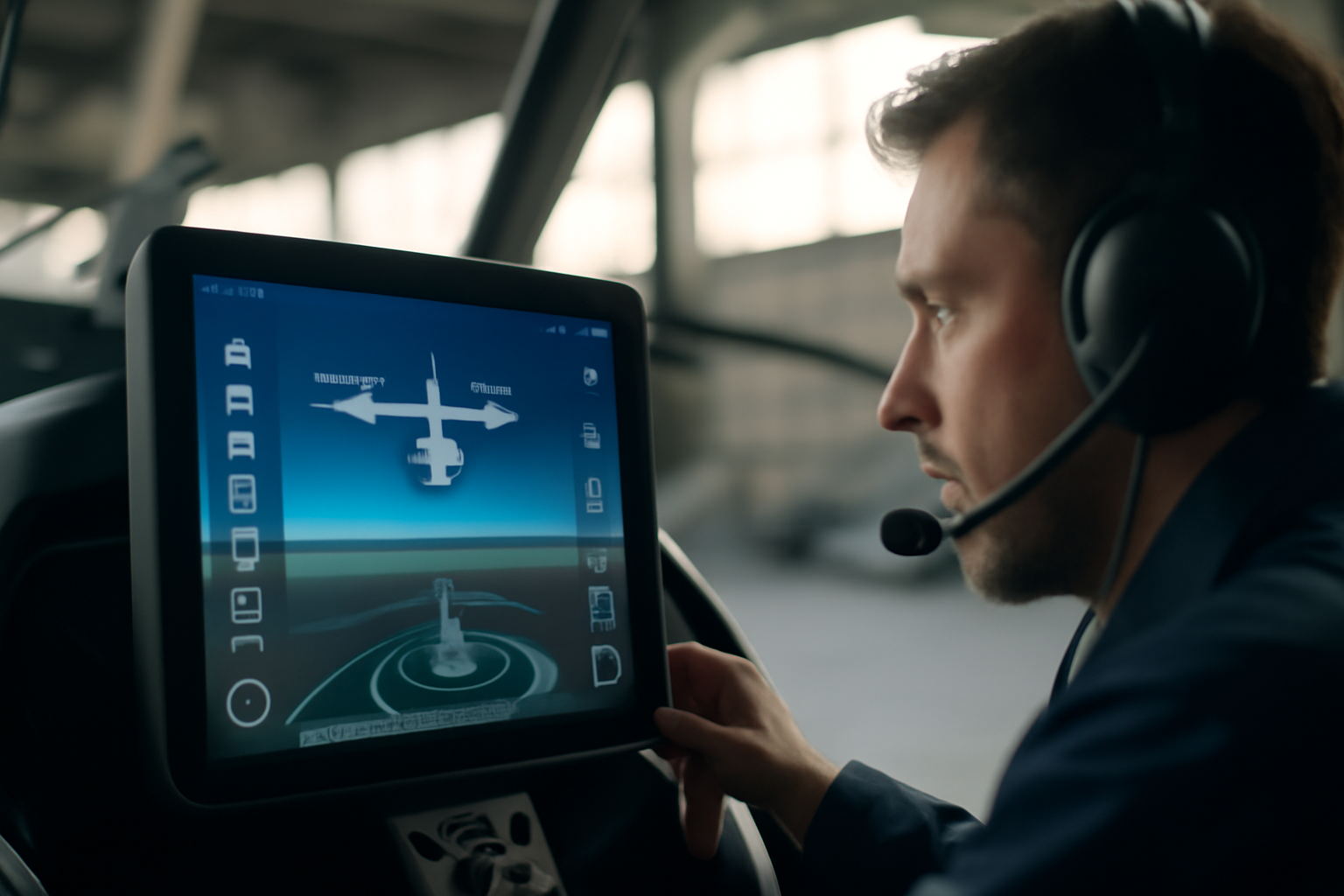
Navi, a prominent player in the electric vertical takeoff and landing (eVTOL) industry, has announced that its groundbreaking AI-powered pilot training tool has entered the flight testing phase. This significant milestone represents a major advancement in preparing operators for the emerging era of electric aircraft, combining artificial intelligence with practical aviation instruction to ensure safety and competency across the rapidly expanding eVTOL sector.
The Rise of AI-Powered Aviation Training
Traditional pilot training has long relied on a combination of classroom instruction, simulator time, and hands-on flight experience—a model that requires substantial time, resources, and instructor expertise. Navi’s AI-powered approach fundamentally reimagines this process by leveraging machine learning algorithms and advanced data analytics to personalize the training experience for each pilot candidate. The system can adapt in real-time to the learner’s performance, identifying weak areas and reinforcing strengths through targeted instruction modules.
The integration of artificial intelligence into pilot training is not merely about efficiency—it’s about safety and standardization. By analyzing thousands of successful flight scenarios and learning from both expert and novice pilot behaviors, AI systems can identify optimal techniques and common pitfalls before they become problems in the real world. This proactive approach to training reduces the likelihood of errors during actual operations and helps establish consistent standards across the industry.
Navi’s investment in this technology reflects the broader industry recognition that traditional training pipelines will struggle to meet the demand for qualified eVTOL operators as these aircraft enter commercial service. With hundreds of eVTOL companies progressing toward certification and deployment, the bottleneck of pilot availability and training capacity has become a critical concern for regulators and operators alike.
Flight Testing: From Simulation to Reality
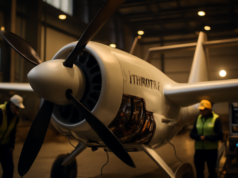
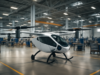
The transition from simulator-based training to actual flight testing represents a critical validation phase for Navi’s AI system. During this testing phase, the company will deploy the training tool with real pilots operating actual eVTOL aircraft, gathering data on how the AI-generated instruction translates to genuine flight performance. This real-world validation is essential for demonstrating that the technology works as intended and that pilots trained using the AI system can safely operate these novel aircraft.
Flight testing typically involves a structured progression: initial verification flights with experienced test pilots, followed by evaluation flights with candidate pilots who have completed training via the AI system. Each flight is carefully monitored and instrumented to measure pilot performance metrics such as altitude stability, trajectory accuracy, response time to anomalies, and overall situational awareness. This data feeds back into the AI system, creating a continuous improvement loop that refines the training curriculum.
The success of this flight testing phase will have far-reaching implications. A positive outcome could accelerate regulatory approvals for eVTOL operations, as certification authorities like the FAA and EASA have emphasized the importance of pilot training standards. Conversely, any significant deficiencies identified during flight testing would inform necessary refinements to the training methodology, ensuring that regulatory bodies have confidence in the competency of eVTOL pilots.
Regulatory and Industry Implications
Regulators worldwide are actively developing operational regulations for eVTOL aircraft, and pilot training standards will be a core component of these frameworks. The FAA has indicated that it expects eVTOL operators to maintain high safety standards consistent with traditional aviation, while also acknowledging that some aspects of eVTOL operations differ significantly from rotorcraft and fixed-wing aircraft. Navi’s AI training tool could serve as a model for how technology accelerates compliance with these emerging standards.
The broader eVTOL industry stands to benefit from innovations in pilot training as well. Companies like Joby Aviation, Archer Aviation, and Lilium are all progressing through certification phases, and each will need access to qualified pilots. If Navi’s system proves effective, it could become an industry-standard training platform, similar to how flight simulators are standardized across commercial aviation. This would help eliminate inconsistencies in pilot qualification and create a more predictable path to market entry for new operators.
Additionally, AI-powered training systems address a critical concern for investors and stakeholders: the ability to rapidly scale pilot training as eVTOL services expand. By reducing the time and cost required to train competent pilots, Navi’s technology addresses a fundamental operational constraint that has long concerned industry analysts. This could accelerate the timeline for commercial eVTOL operations to reach profitability and market penetration.
Technological Capabilities and Innovation
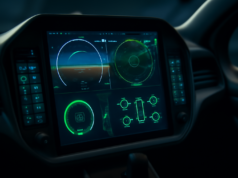
The sophisticated architecture underlying Navi’s AI-powered training tool involves multiple layers of machine learning models working in concert. Computer vision algorithms analyze pilot inputs and aircraft responses, natural language processing enables interactive instruction and feedback, and reinforcement learning algorithms optimize the training curriculum based on individual learner outcomes. Together, these components create a system that is simultaneously a teacher, evaluator, and mentor.
One particularly innovative aspect of the system is its ability to simulate rare or dangerous scenarios that would be impractical or impossible to recreate in traditional flight training. Engine failure scenarios, severe weather encounters, emergency descent procedures, and other high-consequence situations can be thoroughly practiced in a safe environment before pilots ever face them in commercial operations. This capability alone has the potential to significantly improve aviation safety outcomes.
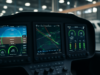
The system also includes advanced biometric monitoring capabilities. By tracking pilot heart rate, pupil dilation, reaction time, and other physiological markers, the AI can assess pilot stress levels and cognitive load during training scenarios. This allows instructors to calibrate training difficulty appropriately—challenging enough to develop competency but not so extreme as to induce counterproductive panic responses. This personalized approach represents a significant advance over one-size-fits-all training programs.
Key Takeaways: Navi’s AI Training Innovation
- AI-powered training accelerates pilot qualification timelines while improving safety standardization, directly addressing a critical bottleneck in eVTOL market readiness.
- Flight testing validation demonstrates real-world efficacy and could influence regulatory pilot training standards across the emerging eVTOL industry.
- Advanced biometric monitoring and scenario simulation capabilities enable personalized, comprehensive instruction that traditional aviation training cannot match.
Navi’s AI-powered pilot training tool represents a crucial convergence of aviation safety and emerging technology. As the eVTOL industry progresses toward commercial operations, innovations like this one will prove essential in ensuring that the nascent sector launches with the same rigorous safety standards that have defined aviation for decades. The flight testing phase underway now will likely influence training standards across the entire industry for years to come.