HIGHLIGHTS
- EHang is accelerating simultaneous autonomous air taxi deployments across multiple international markets, compressing traditional commercialization timelines from decades to years.
- The company’s existing EH216 certifications, operational flight data from China, and established safety records provide competitive advantages in expediting regulatory approvals globally.
- Infrastructure partnerships and vertiport development are advancing in parallel with regulatory processes, signaling serious urban air mobility integration by government and airport authorities.
China’s EHang Holdings is intensifying its global push to commercialize autonomous air taxi services, announcing accelerated timelines for deployment across multiple international markets. The company’s fast-track strategy represents one of the most aggressive bids yet to establish urban air mobility as a mainstream transportation solution within the next few years. This development signals growing confidence in autonomous aircraft technology and suggests that regulatory pathways are becoming clearer for operators willing to invest heavily in infrastructure and safety systems.
EHang’s Global Autonomous Air Taxi Vision
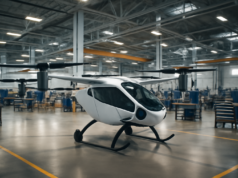
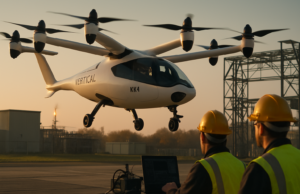
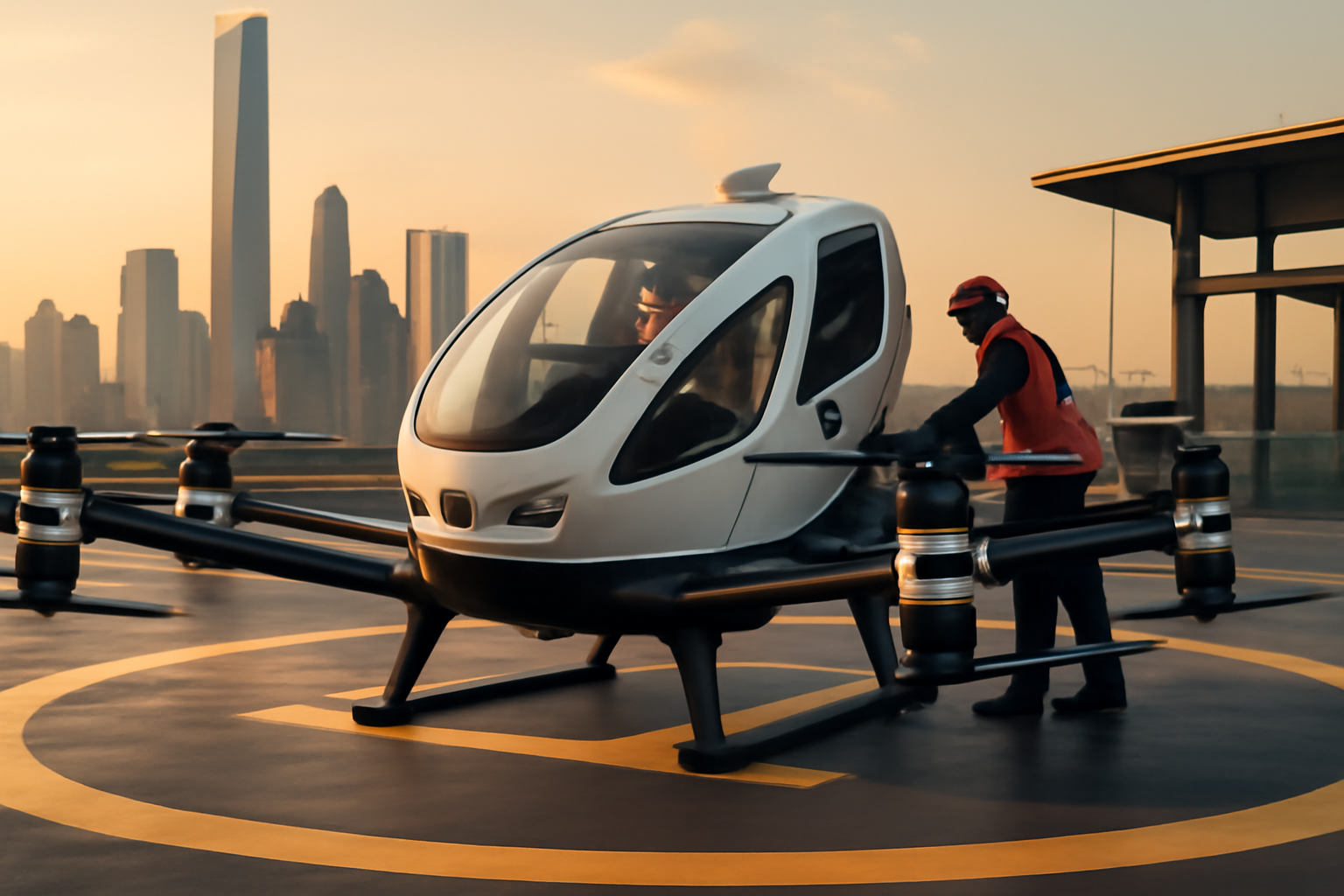
EHang has positioned itself as a pioneer in the autonomous eVTOL sector, with its flagship EH216 aircraft already undergoing operations in multiple jurisdictions. The company’s decision to fast-track global expansion reflects its belief that the market is ready for rapid scaling beyond initial pilot programs. By pursuing simultaneous regulatory approvals and operational launches across different regions, EHang aims to capture first-mover advantages in establishing air taxi networks where competitors are still in development phases.
The Chinese manufacturer’s strategy involves partnering with local governments, transportation authorities, and infrastructure operators to create integrated air mobility ecosystems. Rather than launching isolated demonstration flights, EHang is targeting comprehensive networks with multiple landing zones, ground infrastructure, and operational hubs. This systems-level approach demonstrates maturity in understanding the complexities of autonomous air taxi deployment at scale.
EHang’s international ambitions extend to Asia-Pacific, Europe, and potentially North America, with the company identifying key metropolitan areas where regulatory environments and infrastructure investments align with commercial viability. The company’s technical certifications, accumulated flight hours, and safety records from existing operations provide competitive advantages in convincing regulators to expedite approval processes.
Regulatory Acceleration and Market Readiness
EHang’s fast-track announcement comes at a pivotal moment in eVTOL regulation globally. Multiple jurisdictions have transitioned from research frameworks to operational certifications, creating pathways for commercial services that were previously hypothetical. Regulators in key markets are increasingly comfortable with autonomous aircraft operations, particularly for defined corridors with limited population exposure during initial deployments.
The company’s ability to fast-track depends on demonstrating safety performance metrics that satisfy both existing aviation standards and emerging eVTOL-specific regulations. EHang’s existing flight data, combined with advancements in autonomous navigation and redundancy systems, positions the company favorably in regulatory negotiations. Several target markets have indicated willingness to adopt performance-based standards that prioritize demonstrated safety outcomes over prescriptive design requirements.
However, the fast-track strategy also introduces challenges around public acceptance, airspace integration, and emergency response coordination. Regulators will need confidence that EHang’s operations won’t disrupt existing aviation traffic or overwhelm local emergency services. The company’s partnerships with government agencies suggest these concerns are being addressed through structured deployment plans that begin with limited operations and scale gradually based on performance data.
Competitive Implications for the eVTOL Industry
EHang’s accelerated timeline puts pressure on competitors including Joby Aviation, Archer Aviation, Lilium, and other Western eVTOL manufacturers who are pursuing commercialization in their home markets. While many of these companies have secured significant funding and regulatory attention, EHang’s willingness to pursue simultaneous international approvals could compress timelines significantly. The company’s established aircraft certification and existing operational experience in China provide tangible advantages over competitors still in final development stages.
The competitive dynamic also reflects geopolitical and technological factors. EHang’s Chinese origin means the company can tap domestic resources, manufacturing expertise, and government support that Western competitors must build independently. Additionally, the company’s drone heritage provides operational and autonomous systems advantages that complement eVTOL development. For global markets, EHang’s expansion could raise questions about technology dependency and supply chain security, potentially influencing regulatory decisions in some jurisdictions.
The race to commercialize autonomous air taxis has transformed from a technology race into a regulatory and market execution race. EHang’s fast-track strategy signals confidence that the technical barriers have been substantially overcome, and the primary challenge is now navigating regulatory processes and building operational capabilities at scale. Other manufacturers may respond by intensifying their own regulatory engagement or seeking partnership strategies that accelerate their timelines.
Infrastructure and Urban Air Mobility Ecosystem Development
Successful deployment of autonomous air taxi services requires infrastructure investments that extend beyond aircraft manufacturing. Landing zones, vertiports, passenger facilities, air traffic management systems, and ground support operations must develop in parallel with regulatory approvals. EHang’s fast-track strategy includes coordination with infrastructure partners to ensure that operational readiness aligns with aircraft availability and regulatory clearance.
Cities and airports being targeted for early EHang operations are beginning to announce infrastructure projects that support autonomous air taxi integration. These developments include dedicated landing pads, passenger processing facilities, and integration with ground transportation systems. The infrastructure investments signal serious commitment from urban planners and transportation authorities who see autonomous air taxis as components of future mobility networks, not just experimental technologies.
The vertiport and ground infrastructure ecosystem also creates opportunities for companies in construction, power systems, air traffic management software, and maintenance services. EHang’s expansion accelerates demand for these supporting services, potentially triggering investment waves across the broader urban air mobility value chain. Cities that secure early EHang operations could establish competitive advantages in attracting aerospace companies and attracting talent to emerging transportation sectors.
Key Considerations for EHang’s Fast-Track Strategy
- Safety performance data from existing operations in China will be critical to convincing international regulators to accelerate approval timelines and compress traditional certification processes.
- Infrastructure partnerships and government coordination must advance simultaneously with aircraft development to ensure that vertiports, air traffic systems, and ground operations are ready for commercial deployment.
- Public acceptance and perception management will be essential for EHang to succeed in international markets, particularly in regions where autonomous aircraft concerns or Chinese technology adoption remain contentious.
EHang’s fast-track autonomous air taxi strategy represents a pivotal moment in personal air mobility commercialization. By accelerating global deployment timelines and leveraging existing certifications and operational experience, the company is positioning autonomous air taxis to transition from development projects to commercial services within years rather than decades. The success or challenges of EHang’s approach will likely influence how quickly other manufacturers and regulators pursue similar acceleration strategies, potentially reshaping the timeline for urban air mobility adoption worldwide. As the company navigates regulatory processes and infrastructure development across multiple jurisdictions simultaneously, the outcomes will provide critical insights into how rapidly autonomous aviation can scale at global levels.