HIGHLIGHTS
- Joby’s S4 and Archer’s Midnight represent distinctly different engineering philosophies—Joby prioritizes vertical integration and advanced battery tech, while Archer emphasizes manufacturing scalability and supply chain optimization
- Both companies target mid-to-late 2020s commercialization through different FAA pathways: Joby pursues full Type Certification while Archer uses Special Federal Aviation Regulation Part 23
- Market winners will be determined by regulatory approval speed, manufacturing scale-up at profitable costs, and customer adoption—both companies are well-positioned but face substantial technical and financial hurdles ahead
The electric vertical takeoff and landing (eVTOL) industry is reaching a critical inflection point, with two companies standing out as frontrunners in the race to commercialize urban air mobility: Joby Aviation and Archer Aviation. As investment capital floods into the sector and regulatory frameworks begin to solidify globally, investors and industry observers are closely scrutinizing how these two competitors stack up against each other. Both companies have pursued aggressive timelines for certification and commercial operations, but their paths, technology choices, and market strategies differ significantly. Understanding these differences is essential for anyone tracking the future of personal air mobility.
Company Backgrounds and Market Position
Joby Aviation, founded in 2009, has established itself as one of the most well-funded eVTOL startups in the world. The company completed a merger with Reinvent Technology Partners, a special purpose acquisition company (SPAC), in 2021, bringing significant capital and public market visibility. Joby has consistently positioned itself as a leader in electric aircraft design and battery technology, with a focus on creating safe, quiet, and efficient aircraft for urban air mobility applications.
Archer Aviation, while slightly younger in its current form, has rapidly scaled its operations and reputation. The company also pursued a SPAC merger route, going public in 2021 through a combination with Atlas Crest Investment Corp. Archer has distinguished itself through strategic partnerships, agile development timelines, and a focus on manufacturing scalability from the outset. Both companies are headquartered in the United States and have secured commitments from major airlines and operators for their aircraft.
The competitive landscape between Joby and Archer represents a broader trend in the eVTOL sector: the emergence of well-capitalized, publicly traded companies competing directly on technology, timeline, and operational readiness. This contrasts sharply with the earlier era of the industry, when dozens of smaller startups were competing with vastly different maturity levels and funding sources.
Aircraft Design and Technology Differentiation
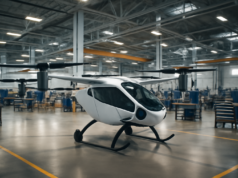
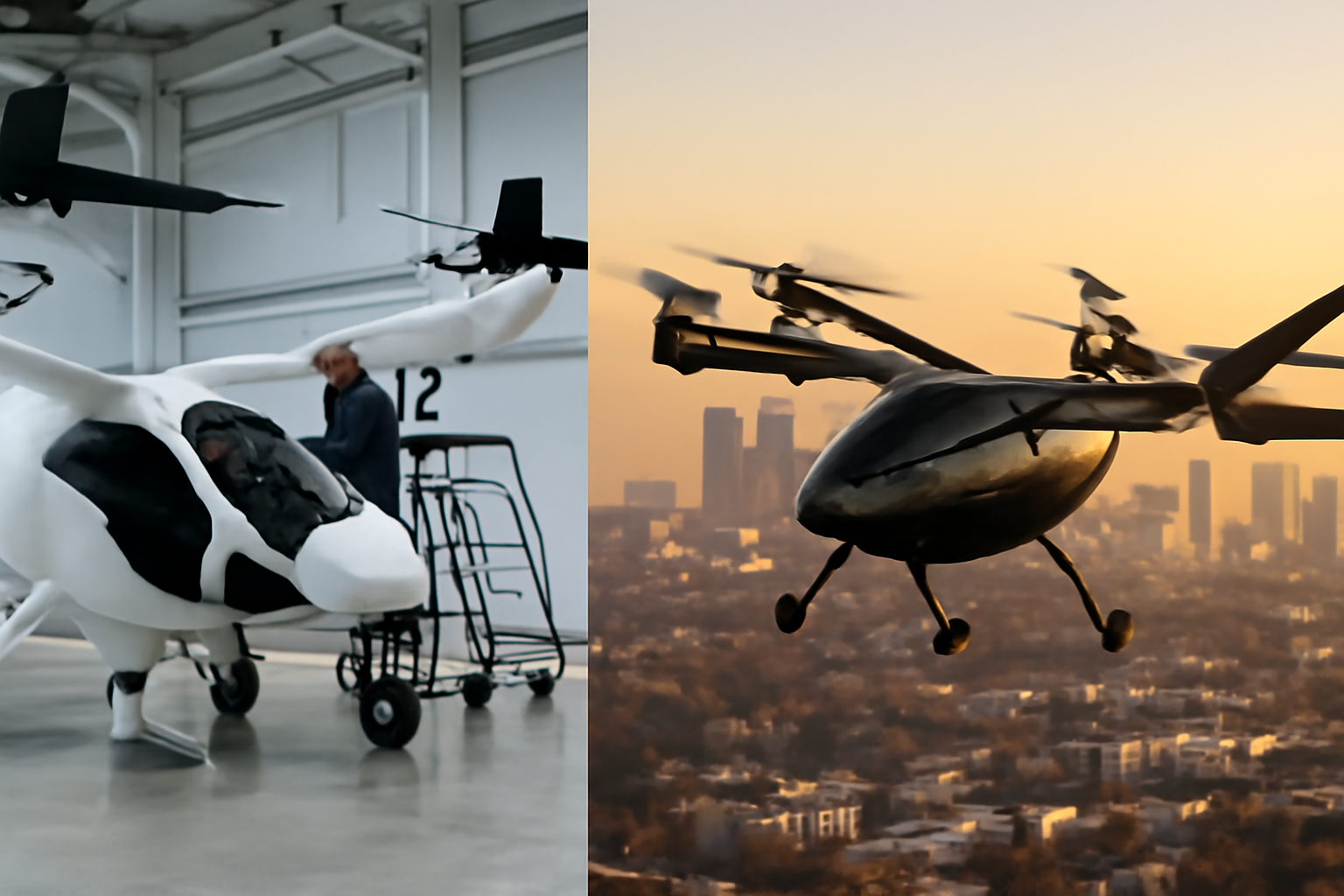
Joby’s aircraft design philosophy emphasizes vertical takeoff and landing capability combined with efficient hover performance and quick transition to forward flight. The Joby S4, the company’s primary certification candidate, features a distinctive design with six electric motors and a focus on noise reduction—a critical factor for urban operations. The aircraft is engineered with redundancy and safety as paramount concerns, reflecting Joby’s deep engineering heritage and experience with advanced aerospace concepts.
Archer’s aircraft, the Midnight, takes a somewhat different approach with a focus on rapid manufacturability and scalability. The Midnight features a four-motor configuration in the early variants, with design choices optimized for production efficiency and modular assembly. Archer has emphasized partnerships with manufacturing specialists and supply chain optimization to reduce the time and cost to scale production. This strategy reflects a philosophy that getting to scale matters as much as the aircraft’s design specifications.
Both companies are investing heavily in battery technology and energy management systems, as these are the core limitations for eVTOL operations. Joby has focused on developing proprietary battery solutions and power management systems, while Archer has pursued a more modular approach, working with established battery suppliers. This fundamental difference in vertical integration versus supply chain partnerships reflects different risk management strategies and capital allocation priorities.
Regulatory Pathway and Certification Timeline
The path to commercialization runs directly through regulatory approval, and both Joby and Archer have been navigating the Federal Aviation Administration (FAA) certification process with different strategies and timelines. Joby has been pursuing a comprehensive Type Certification approach, working to certify the S4 as a new aircraft type under FAA regulations. This path is more rigorous but provides clearer operational flexibility once achieved.
Archer has pursued a Special Federal Aviation Regulation (SFAR) Part 23 pathway, which some analysts view as potentially faster, though with some operational constraints initially. The company has also emphasized working closely with the FAA to develop realistic timelines and demonstrate safety through rigorous testing. Both companies have conducted extensive flight testing and have been transparent about challenges encountered during development.
Regulatory approval timelines have become a critical factor for investors, as delays can significantly impact capital requirements and market window opportunities. Both companies have adjusted their timelines as the regulatory process has unfolded, and both are now targeting operational services in the mid-to-late 2020s. The actual timeline will depend on regulatory decisions, test results, and the pace at which the FAA can process applications.
Market Strategy and Revenue Models
Joby’s market strategy emphasizes partnership with major transportation players and a focus on premium urban point-to-point services. The company has signed memoranda of understanding with ride-sharing platforms and airport operators, positioning itself as a provider of aircraft and operational technology to established mobility companies. This strategy leverages existing distribution channels and operational expertise while Joby focuses on aircraft innovation.
Archer has pursued a more integrated operator model, developing its own air mobility service platform alongside aircraft production. This approach gives Archer direct control over revenue per flight and customer experience but also requires the company to build operational capabilities beyond aircraft manufacturing. Archer has also announced plans to operate its aircraft through partnerships with mobility operators, balancing vertical integration with strategic partnerships.
Both companies are exploring pricing models and service networks that would make eVTOL travel economically viable for urban professionals while maintaining sufficient margins to support ongoing operations. Current projections suggest early fares will be premium—likely comparable to helicopter services initially—before scaling and competition bring prices down.
Financial Performance and Investment Outlook
Key Takeaways
- Joby and Archer represent the two most advanced eVTOL competitors with public capital, pursuing different technology and business model strategies
- Joby emphasizes vertical integration in design and power systems, while Archer prioritizes manufacturing scalability and supply chain partnerships
- Both companies target mid-to-late 2020s commercialization; success depends on FAA certification, capital availability, and market adoption rates
From a financial perspective, both Joby and Archer have burned through significant capital during development, a pattern typical for aerospace companies bringing new aircraft to market. Joby’s funding base has been particularly strong, with backing from major investors and aviation industry veterans. Archer has similarly secured substantial funding but has emphasized a leaner operational model and faster path to revenue-generating flights.
The eVTOL race between Joby and Archer will ultimately be determined by which company successfully navigates regulatory approval, achieves manufacturing scale at cost points that enable profitable operations, and builds a customer base willing to pay premium fares for air mobility services. Both companies have made significant progress toward these goals, and both face genuine competitive and technical challenges ahead. For investors and industry observers, tracking the progress of these two companies provides valuable insight into whether eVTOL vehicles can transition from promising concept to operational reality within this decade.