
HIGHLIGHTS
- Air India, SkyDrive, and Suzuki launch joint feasibility study on eVTOL aircraft for medical logistics and emergency supply delivery in India.
- Medical logistics eVTOL deployment could revolutionize emergency response in India, bypassing congested infrastructure to deliver critical supplies within minutes.
- Study will address regulatory frameworks, vertiport infrastructure, technology integration, and economic viability to establish pathways for commercial operations.
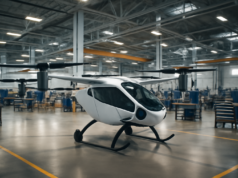
In a significant move toward advancing urban air mobility in South Asia, Air India, SkyDrive, and Suzuki Motor Corporation have announced a collaborative feasibility study to explore the potential of eVTOL aircraft for medical logistics and emergency supply delivery across India. This partnership represents a landmark moment for personal air mobility in the region, combining the operational expertise of India’s national airline, SkyDrive’s cutting-edge aircraft technology, and Suzuki’s manufacturing and supply chain capabilities. The study underscores growing recognition that electric vertical takeoff and landing vehicles offer transformative solutions for critical healthcare applications in densely populated and geographically challenging markets.
Strategic Partnership Driving eVTOL Healthcare Innovation
The collaboration between Air India, SkyDrive, and Suzuki demonstrates how established aviation and automotive players are positioning themselves at the forefront of electric air mobility. Air India brings decades of operational experience managing complex logistics networks across India’s diverse geographic landscape, from bustling metropolitan centers to remote regions with limited ground infrastructure. SkyDrive, known for its advanced eVTOL design and development capabilities, contributes proprietary technology and engineering expertise developed through years of research and testing. Suzuki Motor Corporation adds significant manufacturing prowess and a well-established supply chain network that spans multiple continents.
This triangular partnership model reflects a broader industry trend where traditional aviation and automotive manufacturers recognize that eVTOL success requires synergies between air operations, vehicle design, and scalable production. By pooling resources and expertise, the three organizations aim to accelerate the timeline for viable eVTOL integration into India’s healthcare and emergency response systems. The study is expected to evaluate technical feasibility, regulatory pathways, infrastructure requirements, and economic viability of deploying eVTOL services for time-sensitive medical applications.
The partnership also signals confidence in India’s regulatory environment and market potential for personal air mobility. With the Directorate General of Civil Aviation (DGCA) increasingly engaged with eVTOL stakeholders, and government initiatives supporting technology innovation, India presents an attractive market for companies seeking to pioneer electric air mobility applications in emerging economies. This collaboration may serve as a template for similar partnerships across Asia-Pacific and other developing regions with comparable healthcare accessibility challenges.
Medical Logistics: A Game-Changing Use Case for eVTOL
Medical logistics represents one of the most compelling and socially impactful applications for eVTOL technology. In India, where emergency response times can determine survival outcomes, particularly in trauma cases and acute medical emergencies, rapid point-to-point air transport of critical supplies and personnel offers enormous potential. eVTOL aircraft can bypass congested ground infrastructure, delivering blood products, vaccines, organ transplants, medications, and emergency medical equipment within minutes to hospitals, clinics, and remote medical facilities. This capability is especially crucial in India’s vast geographic expanse, where some rural areas remain hours away from fully equipped tertiary care hospitals.
The feasibility study will likely examine multiple dimensions of medical logistics deployment. Weight and payload capacity assessments will determine which medical supplies and equipment can be efficiently transported. Regulatory considerations include establishing operating procedures for carrying pharmaceuticals, blood products, and other temperature-sensitive materials across state and regional airspace. The study will also investigate operational protocols for integrating eVTOL services with existing hospital management systems, including landing site requirements, emergency procedures, and coordination with ground ambulance services. Understanding these operational realities is essential before commercial services can launch.
Financial modeling will represent another critical component of the feasibility study. The economics of eVTOL medical logistics depend on factors including aircraft acquisition costs, operational expenses per flight hour, availability of landing infrastructure at hospitals and medical facilities, and revenue models that reflect healthcare sector budgets. In India’s price-sensitive healthcare market, demonstrating cost-effectiveness compared to helicopter ambulance services or ground transport will be essential for adoption. The partnership’s collective expertise positions them well to develop realistic business cases that account for India’s unique healthcare landscape and economic conditions.
Regulatory and Infrastructure Challenges Requiring Study
Before eVTOL medical logistics can become operational reality in India, substantial regulatory and infrastructure hurdles must be addressed. The DGCA will ultimately need to establish certification standards for eVTOL aircraft operations, pilot training and licensing requirements, airspace management protocols, and operating procedures specific to medical supply transport. The feasibility study will inform these regulatory frameworks by providing technical data, operational recommendations, and safety analyses drawn from detailed planning and potentially small-scale testing. Close collaboration with regulators throughout the study process can accelerate the path to formal approval for commercial operations.
Infrastructure development represents another significant challenge. While eVTOL aircraft require smaller landing areas than traditional aircraft and helicopters, viable medical logistics networks nonetheless require strategic placement of vertiports or landing pads at hospitals, medical distribution centers, and emergency response facilities. The study must assess which facilities in India’s healthcare ecosystem are best positioned for eVTOL integration, considering proximity to major population centers, access to electrical charging infrastructure, existing helipad capabilities that might be adapted, and traffic flow patterns. Urban air mobility experts must also coordinate with municipal authorities and airport operators to integrate eVTOL corridors into controlled airspace.
Technology integration and connectivity infrastructure also warrant detailed examination. Medical logistics eVTOL operations will require sophisticated flight management systems, real-time tracking capabilities, weather monitoring integration, and communication systems that maintain reliability across India’s varied geography. Battery technology performance in different climate zones, altitude capability requirements for crossing geographic barriers, and all-weather operational capabilities must be thoroughly evaluated. The study should examine emerging battery technologies that might improve range and payload capacity for future aircraft iterations, ensuring recommendations remain relevant as technology evolves.
Market Potential and Competitive Positioning
India’s healthcare logistics market represents an enormous opportunity for eVTOL operators. With over 1.4 billion people served by a healthcare system where geographic access remains a critical bottleneck, successful deployment of eVTOL medical services could improve emergency response capabilities, expand access to specialized care, and save countless lives. The market extends beyond emergency transport to routine medical supply distribution, vaccine delivery in immunization campaigns, and transport of laboratory samples for diagnostic testing. These applications collectively create a substantial addressable market that could generate significant revenue for operators while delivering substantial social benefit.
The Air India, SkyDrive, and Suzuki partnership positions these three organizations strategically in what could become a dominant market position in South Asian eVTOL medical logistics. Air India’s brand recognition and existing hospital relationships provide immediate operational advantages. SkyDrive’s technology offers differentiated capabilities that could become industry standard. Suzuki’s manufacturing capabilities enable cost-effective production scaling if the market validates the business case. Competing against this integrated partnership would be challenging for other organizations seeking to enter India’s eVTOL medical logistics market, suggesting first-mover advantages for successful implementation.
The study also positions these organizations to influence regulatory development and establish industry standards before competitors gain equivalent footing. Early engagement with DGCA regulators, demonstration of commitment to safety and operational excellence, and provision of meaningful technical input can shape certification requirements in ways that favor the companies driving standardization. This regulatory influence represents another valuable competitive advantage that complements technical and operational strengths these three organizations bring to the Indian market.
Key Takeaways from Air India-SkyDrive-Suzuki eVTOL Medical Logistics Study
- Air India, SkyDrive, and Suzuki are collaborating on a feasibility study to deploy eVTOL aircraft for medical logistics and emergency supply delivery across India, combining airline operations expertise, advanced aircraft technology, and automotive manufacturing capabilities.
- Medical logistics represents a transformational eVTOL application in India, where emergency response times directly impact patient outcomes and geographic barriers limit access to critical healthcare services in remote regions.
- The study will address critical regulatory pathways, infrastructure requirements, technology integration challenges, and economic viability before commercial operations can launch, potentially establishing industry templates for eVTOL deployment across emerging markets.
The announcement of the Air India, SkyDrive, and Suzuki feasibility study marks an inflection point for eVTOL technology adoption in South Asia. By combining deep operational expertise with cutting-edge technology and manufacturing capability, this partnership demonstrates how established industry leaders can accelerate the transition from eVTOL concept to market reality. The focus on medical logistics—arguably the most socially impactful near-term application for electric vertical takeoff aircraft—reflects industry recognition that eVTOL success depends on solving genuine problems and delivering measurable value. As this feasibility study progresses, outcomes will likely influence eVTOL development strategies across Asia-Pacific and provide regulatory blueprints other nations may adopt. For India’s healthcare system and the patients it serves, successful execution of this partnership could represent a genuine revolution in emergency response and medical logistics capability.