HIGHLIGHTS
- Archer Aviation achieves major FAA certification milestones including structural, propulsion, and flight control system approvals—positioning the company for Type Certification within 24-36 months.
- Stock market volatility reflects investor concerns about commercialization timelines, not technical progress—typical for aerospace startups requiring 10-15 years to profitability.
- Strategic partnerships in vertiport development, battery infrastructure, and air traffic management are accelerating Archer’s path to commercial air taxi operations in 2027-2028.
Archer Aviation, one of the leading electric vertical takeoff and landing (eVTOL) manufacturers in North America, continues to make substantial progress toward Federal Aviation Administration (FAA) certification despite facing stock market challenges in 2026. The company’s unwavering focus on regulatory milestones underscores the critical importance of achieving Type Certification for the commercialization of electric air taxi services across major metropolitan areas.
Archer Aviation’s FAA Certification Roadmap
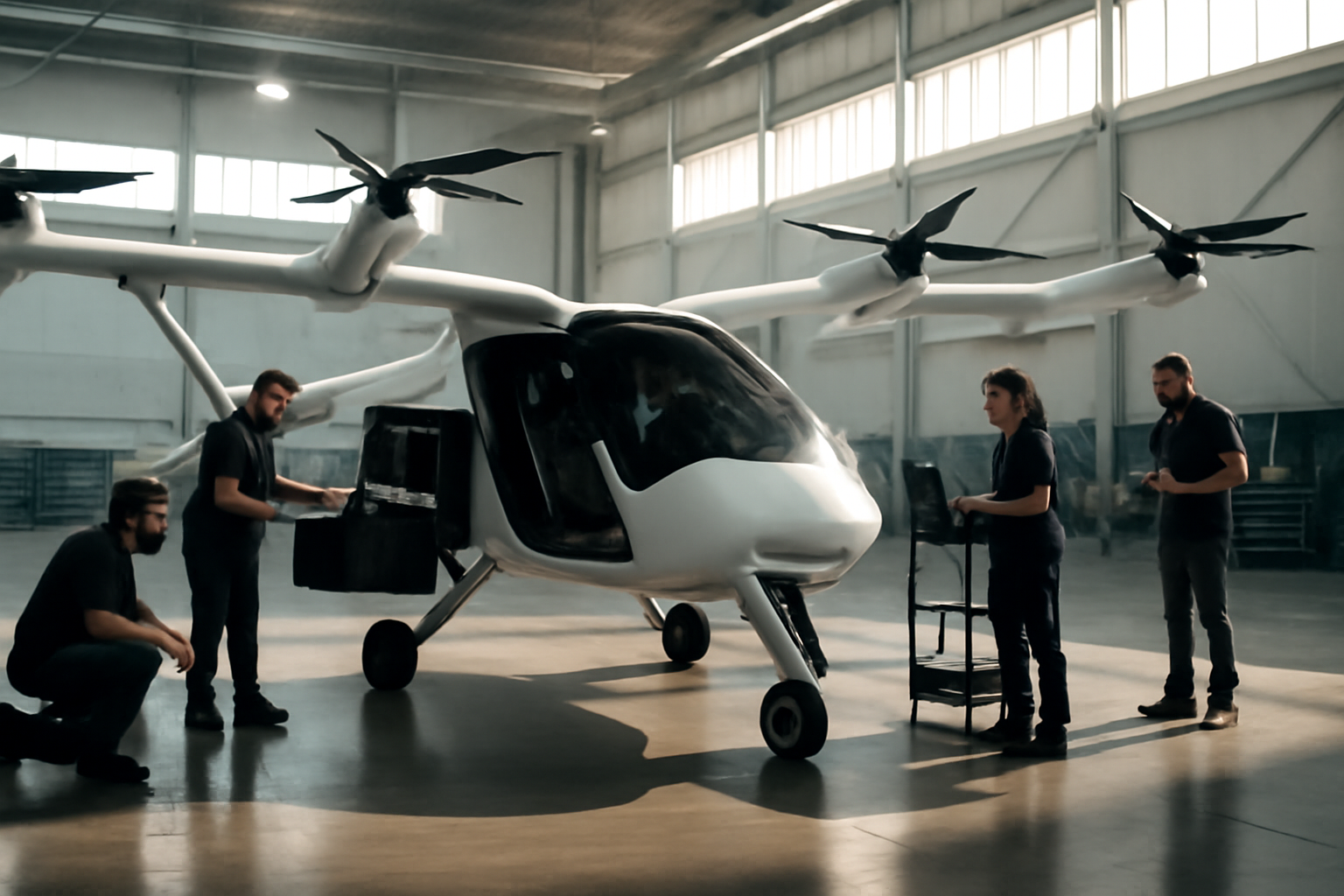
The path to FAA certification represents one of the most complex and rigorous undertakings in aviation history. Archer Aviation has methodically progressed through multiple certification phases, demonstrating compliance with unprecedented safety and performance standards for electric aircraft. The company’s engineering teams have been working closely with FAA officials to establish baseline requirements for novel eVTOL technology that has no direct predecessor in commercial aviation.
Recent updates indicate that Archer has successfully completed critical safety assessment phases, including structural analysis, propulsion system validation, and flight control system certifications. These foundational approvals represent years of detailed engineering work, testing, and documentation that form the bedrock of any eventual Type Certification. Each completed milestone brings the company closer to the pivotal moment when the FAA can authorize commercial passenger operations.
The certification process encompasses multiple concurrent workstreams, from aircraft design and manufacturing standards to pilot training protocols and operational procedures. Archer’s structured approach to managing these interdependent elements has impressed industry observers and regulatory experts alike, positioning the company as a serious contender in the emerging air mobility sector.
Market Volatility and Investor Sentiment
Despite impressive technical achievements, Archer Aviation’s stock price has experienced notable volatility throughout 2026, reflecting broader market concerns about the eVTOL sector’s commercialization timeline and profitability prospects. Investors have grown increasingly cautious about the timeline for revenue generation, with many questioning when electric air taxi services will transition from proof-of-concept to sustainable business operations. This disconnect between technical progress and market sentiment illustrates the challenges facing pre-revenue aviation manufacturers.
The stock decline should not be construed as a referendum on Archer’s technical capabilities or regulatory progress. Rather, it reflects investor concerns about market adoption rates, operational infrastructure requirements, and the long runway to profitability typical of aerospace startups. Established aviation companies typically require 10-15 years to achieve profitability from new aircraft programs, and eVTOL manufacturers are no exception to this fundamental industry dynamic.
Nevertheless, Archer’s management team has maintained investor confidence by consistently delivering on announced milestones and maintaining transparent communication about certification timelines. The company’s ability to secure strategic partnerships and attract institutional investment demonstrates underlying confidence in its technical roadmap and long-term business potential, even as short-term stock prices fluctuate.
Strategic Partnerships and Infrastructure Development
Recognizing that aircraft alone cannot create a viable air taxi ecosystem, Archer Aviation has strategically partnered with infrastructure providers, ground operators, and technology companies to build an integrated mobility platform. These partnerships address critical challenges including vertiport development, battery charging infrastructure, and air traffic management system integration. Archer’s collaborative approach mirrors successful strategies employed by other disruptive mobility platforms.
The company has made significant progress in securing vertiport locations in major metropolitan areas where air taxi demand is projected to be highest. These strategic real estate acquisitions and development agreements represent tangible commitments to commercialization beyond aircraft manufacturing. Vertiports require substantial capital investment, regulatory approval, and integration with existing urban infrastructure, making these partnerships crucial to market success.
Additionally, Archer’s technology partnerships focus on advancing autonomous systems, noise reduction capabilities, and battery performance. These collaborations extend the company’s technical expertise and accelerate development of complementary systems required for safe, efficient air taxi operations. By engaging ecosystem partners early in the certification process, Archer is helping to establish industry standards that will benefit the entire eVTOL sector.
Timeline and Commercialization Outlook
While the exact timeline for FAA Type Certification remains subject to regulatory review processes, industry experts project that Archer could achieve this pivotal milestone within the next 24-36 months. Type Certification would represent the greenlight for commercial passenger operations, though initial service will likely be limited to specific routes between designated vertiports in major cities. The phased deployment strategy allows Archer to accumulate operational experience while maintaining rigorous safety oversight.
Post-certification, Archer will face the equally challenging task of scaling operations from demonstration flights to regular commercial service. This includes training qualified pilots, establishing maintenance protocols, securing airworthiness directives, and maintaining regulatory compliance across multiple jurisdictions. The company’s preparation for these operational challenges is evident in its infrastructure investments and pilot training program development.
Market analysts anticipate that the first commercial air taxi services will likely launch in 2027-2028, with initial operations focused on high-demand urban corridors offering premium pricing to early adopters. As operational efficiency improves and manufacturing scales, Archer projects that air taxi services could eventually offer competitive pricing comparable to premium ground transportation options in congested metropolitan areas.
Key Certification Milestones and What’s Next
- Completion of structural, propulsion, and flight control system certifications, establishing foundational safety requirements for electric aircraft
- Development of pilot training standards and operational procedures tailored to novel eVTOL characteristics and air taxi business models
- Integration with emerging air traffic management systems designed to safely accommodate thousands of low-altitude aircraft operations in dense urban airspace
Archer Aviation’s continued progress toward FAA certification demonstrates that the eVTOL industry is transitioning from speculative innovation to regulatory reality. While stock market fluctuations reflect investor concerns about commercialization timelines, the company’s technical achievements and strategic partnerships position it favorably for successful market entry. The coming years will determine whether Archer can translate regulatory approval into profitable, safe, and reliable air taxi operations that genuinely transform urban mobility. For the broader eVTOL sector, Archer’s certification journey will establish critical precedents and operational standards that shape the industry for decades to come.