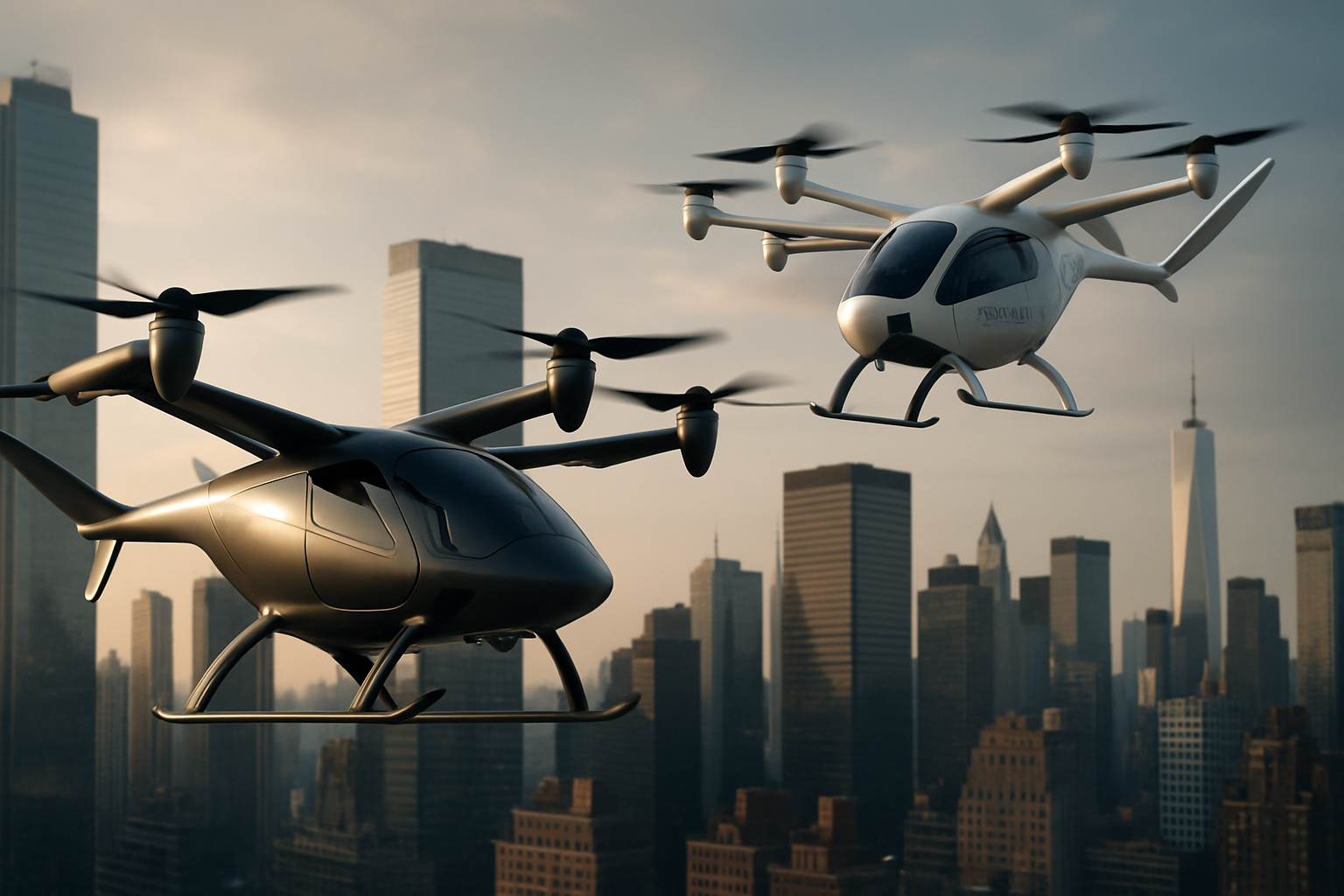
The electric vertical takeoff and landing (eVTOL) industry has emerged as one of the most promising sectors in personal air mobility, attracting significant investor interest and capital. As the market matures, two companies have positioned themselves as major players: Archer Aviation and EHang Holdings. Both firms are advancing cutting-edge technologies and establishing themselves in the competitive landscape of urban air mobility. For investors and industry observers, understanding the strengths and differences between these two eVTOL pioneers is crucial for making informed decisions about the future of this transformative sector.
Archer Aviation: Building Infrastructure and Scaling Operations
Archer Aviation has distinguished itself through strategic partnerships and a methodical approach to bringing eVTOL aircraft to market. The company has secured critical collaborations with major infrastructure partners and demonstrated significant progress in aircraft development. Archer’s focus on infrastructure buildout and operational readiness sets it apart in the industry’s landscape.
The company’s aircraft designs prioritize safety, reliability, and passenger comfort while maintaining commercial viability. Archer has invested heavily in manufacturing capabilities and supply chain development to ensure sustainable production at scale. This infrastructure-first approach reflects the company’s long-term vision for establishing a viable commercial eVTOL network.
Archer’s financial performance and market positioning have attracted institutional investors seeking exposure to the personal air mobility sector. The company’s transparent communication about timelines and technical milestones has helped build confidence among stakeholders. As eVTOL regulations continue to evolve, Archer’s proactive engagement with regulatory bodies positions it favorably for certification and deployment.
EHang Holdings: Global Expansion and Autonomous Operations
EHang Holdings has taken a different strategic approach, emphasizing autonomous flight capabilities and rapid global expansion. The company has already conducted numerous passenger and cargo test flights, demonstrating the viability of autonomous eVTOL operations. EHang’s focus on autonomous technology differentiates it from competitors pursuing pilot-operated vehicles.
The company’s international presence extends across Asia, Europe, and other regions, providing diverse revenue streams and market exposure. EHang’s partnerships with tourism operators and regional governments have facilitated real-world testing and deployment opportunities. This global strategy has allowed EHang to gather valuable operational data and refine its autonomous systems ahead of wider commercialization.
EHang’s technology roadmap includes advanced battery systems and artificial intelligence integration to optimize flight safety and efficiency. The company’s emphasis on autonomous operations potentially offers significant advantages in terms of operational costs and scalability once regulatory frameworks mature. EHang’s progress in passenger-carrying flights marks a significant milestone for the entire eVTOL industry.
Market Dynamics and Competitive Positioning
The eVTOL market is experiencing accelerated growth as urbanization and transportation challenges intensify globally. Both Archer and EHang are benefiting from increased attention to alternative mobility solutions and substantial venture capital investment in the sector. Market projections suggest significant expansion opportunities as regulatory frameworks solidify and certification pathways become clearer.
Competition within the eVTOL space extends beyond Archer and EHang, with numerous startups and established aerospace companies pursuing their own aircraft designs. However, the early-mover advantage and technological achievements of both companies position them prominently in investor portfolios. The race to achieve commercial certification and establish operational networks creates urgency and opportunity simultaneously.
Government support for advanced air mobility initiatives across multiple countries has strengthened market fundamentals for all eVTOL developers. Infrastructure investments, regulatory clarity, and public funding have created favorable conditions for the sector’s maturation. As cities worldwide plan for urban air mobility networks, companies demonstrating technical readiness and commercial viability stand to capture significant market share.
Investment Considerations and Future Outlook
For investors evaluating Archer and EHang stocks, several factors deserve consideration. Technology maturity, regulatory progress, market timing, and financial stability all influence investment potential. Archer’s infrastructure-focused strategy appeals to investors prioritizing near-term commercialization, while EHang’s autonomous approach attracts those betting on long-term disruptive potential.
Both companies face execution risks inherent to emerging technologies and heavily regulated industries. Regulatory delays, technical challenges, and market adoption rates could impact timelines and financial performance. However, the fundamental demand drivers supporting eVTOL adoption remain robust, with urban congestion and transportation sustainability concerns creating lasting industry tailwinds.
Diversification across multiple eVTOL developers may represent a prudent investment approach for those bullish on the sector’s growth. Rather than viewing Archer and EHang as zero-sum competitors, investors might recognize complementary strengths and different use cases that both companies serve. The expanding eVTOL market may have room for multiple successful operators serving different customer segments and geographic regions.
Key Takeaways for eVTOL Investors
- Archer Aviation emphasizes infrastructure development and pilot-operated aircraft with focus on near-term commercialization pathways
- EHang Holdings prioritizes autonomous flight technology and international expansion with demonstrated test flight success
- Both companies benefit from favorable market dynamics, regulatory progress, and growing investor interest in personal air mobility
- Regulatory certification and operational deployment timelines remain critical variables affecting investment returns
- Geographic diversification and technology differentiation create opportunities for both companies to succeed in different market segments
- Investor portfolio diversification across multiple eVTOL developers may reduce concentration risk while maintaining sector exposure
The eVTOL industry stands at an inflection point where leading companies transition from development to deployment phases. Archer Aviation and EHang Holdings represent different but complementary approaches to capturing this transformative market opportunity. As personal air mobility evolves from concept to commercial reality, both companies will play significant roles in shaping the industry’s future. Investors, policymakers, and industry participants should monitor each company’s regulatory progress, technical achievements, and market execution closely. The ultimate winner in the eVTOL race may not be determined by a single competitor but by the collective advancement of technologies and business models that together make urban air mobility safe, accessible, and sustainable for global communities.