HIGHLIGHTS
- Archer Aviation focuses on near-term urban air mobility solutions with regulatory approval timelines in the mid-2020s.
- Intuitive Machines operates in space exploration, a fundamentally different market with longer development cycles and government contracts.
- Investment decision hinges on risk tolerance: UAM’s near-term commercialization potential versus space tech’s long-term institutional backing.
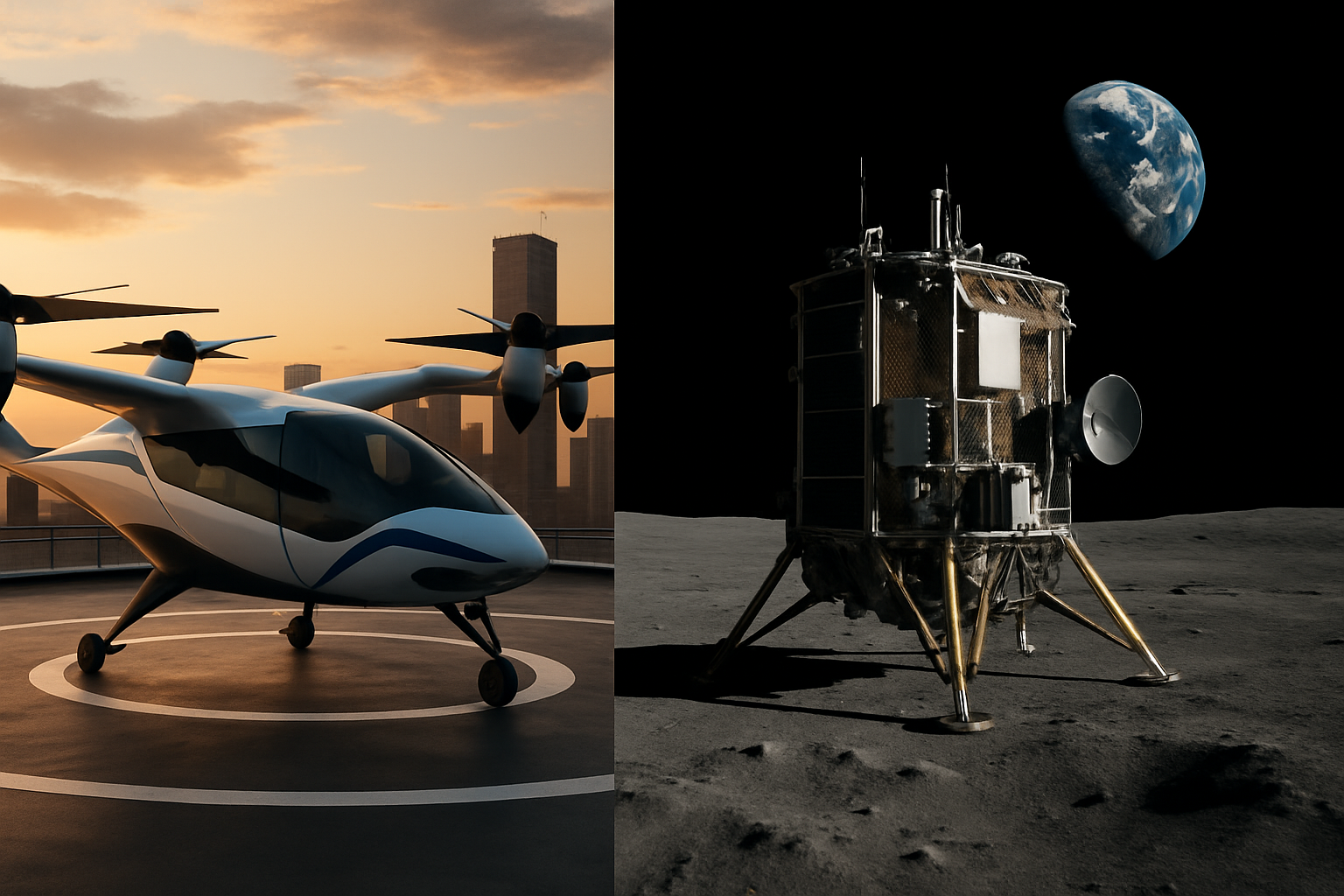
The aviation and aerospace sectors are witnessing an unprecedented wave of innovation and investment, with companies pushing the boundaries of what’s possible in transportation. Two standout companies—Archer Aviation and Intuitive Machines—represent distinctly different approaches to next-generation mobility. While both operate at the frontier of advanced technology, they target fundamentally different markets, operate under different regulatory frameworks, and present investors with contrasting risk-reward profiles. Understanding these differences is essential for anyone evaluating the future of personal air mobility versus space exploration technology in 2026 and beyond.
Understanding Archer Aviation’s Urban Air Mobility Strategy
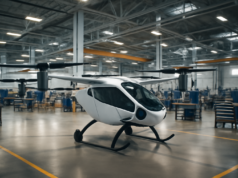
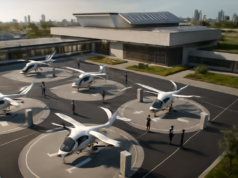
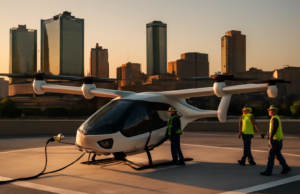
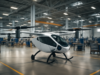
Archer Aviation has positioned itself as a leading contender in the electric vertical takeoff and landing (eVTOL) market, focusing on creating practical, commercially viable aircraft for urban and regional transportation. The company’s Midnight aircraft represents years of research and development, targeting a market that analysts estimate could grow into a multi-billion-dollar industry within the next decade. Archer’s business model centers on partnerships with ride-sharing operators, regional airlines, and government agencies to integrate air taxis into existing transportation ecosystems.
The company has made significant strides in obtaining regulatory approval from the Federal Aviation Administration (FAA), a critical milestone that separates serious contenders from speculative ventures. By 2026, Archer anticipates achieving both certification and initial commercial operations in select U.S. markets. This accelerated timeline reflects the company’s focus on near-term revenue generation and market penetration, distinguishing it from purely research-oriented ventures. The path to profitability, while challenging, appears more predictable than traditional aerospace development cycles.
Archer’s competitive advantages include its experienced leadership team drawn from traditional aerospace companies, substantial funding from major institutional investors, and strategic partnerships with established transportation networks. The company’s emphasis on noise reduction, energy efficiency, and safety compliance demonstrates a maturity in thinking about real-world deployment challenges. These factors position Archer as a relatively lower-risk play within the high-growth eVTOL sector, appealing to investors who believe in urban air mobility but seek companies with credible near-term execution plans.
Intuitive Machines and the Space Technology Frontier
Intuitive Machines operates in a fundamentally different domain than Archer, focusing on lunar exploration, space infrastructure, and beyond-Earth transportation systems. The company gained international attention with its successful lunar lander missions, accomplishing what only a handful of nations had previously achieved. This represents not merely a business venture but a significant technological and scientific accomplishment that reflects years of precision engineering and autonomous systems development. Intuitive Machines’ technology platform demonstrates capabilities that extend far beyond commercial applications into government contracts and scientific missions.
The space technology market operates under entirely different conditions than urban air mobility. Government space agencies, including NASA, are primary customers with multi-billion-dollar budgets and long-term commitments to lunar and deep-space exploration. Intuitive Machines benefits from these institutional relationships and the predictability of government funding cycles. However, the company’s revenue trajectory depends on securing and executing increasingly ambitious contracts, with development timelines measured in years rather than quarters. This creates both stability through government backing and uncertainty regarding near-term profitability.
Intuitive Machines’ achievements in autonomous lunar landing systems, precision navigation, and space hardware reliability showcase technical excellence at the highest levels. These capabilities could translate into broader space infrastructure opportunities, including space station resupply, satellite servicing, and eventually human lunar operations. The company operates in a market with minimal competition and enormous long-term growth potential. However, investors must understand that space technology returns typically materialize over extended timeframes and depend heavily on government policy priorities.
Regulatory Environments and Path to Commercialization
Archer Aviation operates within the established FAA regulatory framework, which, while comprehensive, provides a clear roadmap for certification and commercial operations. The eVTOL industry has benefited from proactive regulatory development by the FAA, including Special Conditions, Type Certification Procedures, and operational guidelines specific to novel aircraft designs. This regulatory clarity, though demanding, enables companies to plan deployment strategies with reasonable confidence. Archer’s progress toward Part 27 certification and subsequent operational approval represents measurable, publicly trackable milestones that investors can assess.
The regulatory environment for space technology differs dramatically, with international treaties, export controls, and national security considerations shaping operational parameters. Intuitive Machines must navigate these complex regulations while competing for government contracts that are subject to political and budgetary cycles. This creates both advantages—stability through government partnerships—and challenges, as policy shifts can affect contract awards and timelines. The space industry’s regulatory landscape is less transparent to investors than commercial aviation, making it harder to predict near-term operational timelines.
By 2026, Archer should achieve initial commercial operations with regulatory approval, providing investors with concrete evidence of execution. Intuitive Machines will likely continue advancing space exploration capabilities through government partnerships, but financial returns remain contingent on contract completion and emerging commercial space opportunities. The difference in regulatory clarity and commercialization timelines represents a fundamental distinction between these two companies’ investment profiles.
Investment Risk Profiles and Market Potential
Archer Aviation represents a high-growth, medium-risk investment opportunity for those bullish on urban air mobility transformation. The company operates in a market with substantial commercial potential—urban congestion costs society billions annually, and proven air taxi solutions could capture meaningful market share. However, execution risks remain significant, including certification delays, pilot availability, infrastructure development, and public acceptance. These are solvable challenges, but solutions depend on Archer’s ability to navigate complex business development while maintaining technical excellence.
Intuitive Machines presents a different risk-return profile: high-growth potential tempered by long development timelines and government contract dependencies. The space technology market is genuinely enormous—space economy estimates exceed $400 billion annually and growing—but Intuitive Machines’ share of that market remains uncertain. The company’s technical capabilities are proven, but commercial success depends on securing contracts against increasing competition and translating government relationships into sustained revenue streams. This represents a longer-term investment thesis requiring patience and confidence in space exploration’s economic future.
An investor choosing between these companies should consider their risk tolerance, investment horizon, and conviction in their respective markets. Archer offers nearer-term potential returns and concrete 2026 milestones but operates in an industry requiring substantial additional infrastructure development and public adoption. Intuitive Machines offers exposure to the high-potential space economy but requires confidence in multi-year government partnership trajectories and willingness to wait for profitability.
The Broader Context of Advanced Transportation Innovation
Both Archer Aviation and Intuitive Machines exist within a broader ecosystem of innovation transforming how humanity moves across Earth and beyond. Urban air mobility represents one frontier of this transformation, addressing terrestrial congestion through three-dimensional transportation networks. Space exploration and development represent another, fundamentally extending human economic activity beyond our planet. These aren’t competing visions but complementary aspects of a transportation revolution that will likely generate multiple winners across different domains.
The technology platforms supporting these companies—autonomous systems, advanced battery technology, precision manufacturing, and software integration—benefit from cross-pollination between sectors. Innovations in eVTOL battery management inform space power systems; advances in autonomous lunar operations enhance terrestrial autonomous vehicle reliability. While Archer and Intuitive Machines compete for investor capital, they operate in sufficiently different markets that they’re not directly cannibalistic. An investor portfolio could logically include exposure to both markets at different weightings based on personal conviction and risk tolerance.
Looking toward 2026 and beyond, both companies occupy strategic positions in their respective industries. Archer stands positioned to demonstrate practical urban air mobility solutions with regulatory approval and initial commercial operations. Intuitive Machines advances space exploration capabilities that could unlock new economic opportunities and maintain American technological leadership in space. The “better buy” ultimately depends not on which technology is superior, but on which market trajectory the investor finds more compelling and which company better executes its business plan.
Key Takeaways for Investors
- Archer Aviation offers near-term commercialization potential with 2026 regulatory milestones and initial operations, presenting a medium-risk, high-growth opportunity in urban air mobility.
- Intuitive Machines provides exposure to the broader space economy through proven technical capability but requires confidence in long-term government partnership sustainability and extended development timelines.
- Neither company represents a “must-have” investment; the choice depends on market conviction, risk tolerance, and investment horizon rather than absolute technological superiority.
The comparison between Archer Aviation and Intuitive Machines ultimately reflects different visions of technological progress and economic transformation. Archer focuses on solving immediate terrestrial transportation challenges through proven aviation frameworks adapted for electric propulsion. Intuitive Machines advances humanity’s capability to establish sustained presence beyond Earth, opening new economic and scientific frontiers. Both represent compelling opportunities, but investors must align their selection with personal conviction about which transportation revolution will generate superior returns. The answer depends not on the technology itself, but on execution capability, market dynamics, and the investor’s own assessment of which sector will drive disproportionate value creation in the coming years.