HIGHLIGHTS
- AutoFlight and Singapore’s JC Aviation sign MoU for 260 eVTOL aircraft, marking one of the largest commitments in Asia-Pacific air mobility history
- Regional deployment strategy signals serious commercialization plans with multi-city vertport infrastructure and operational timelines
- Deal validates eVTOL technology at scale and strengthens Chinese manufacturers’ competitive position in global aviation markets
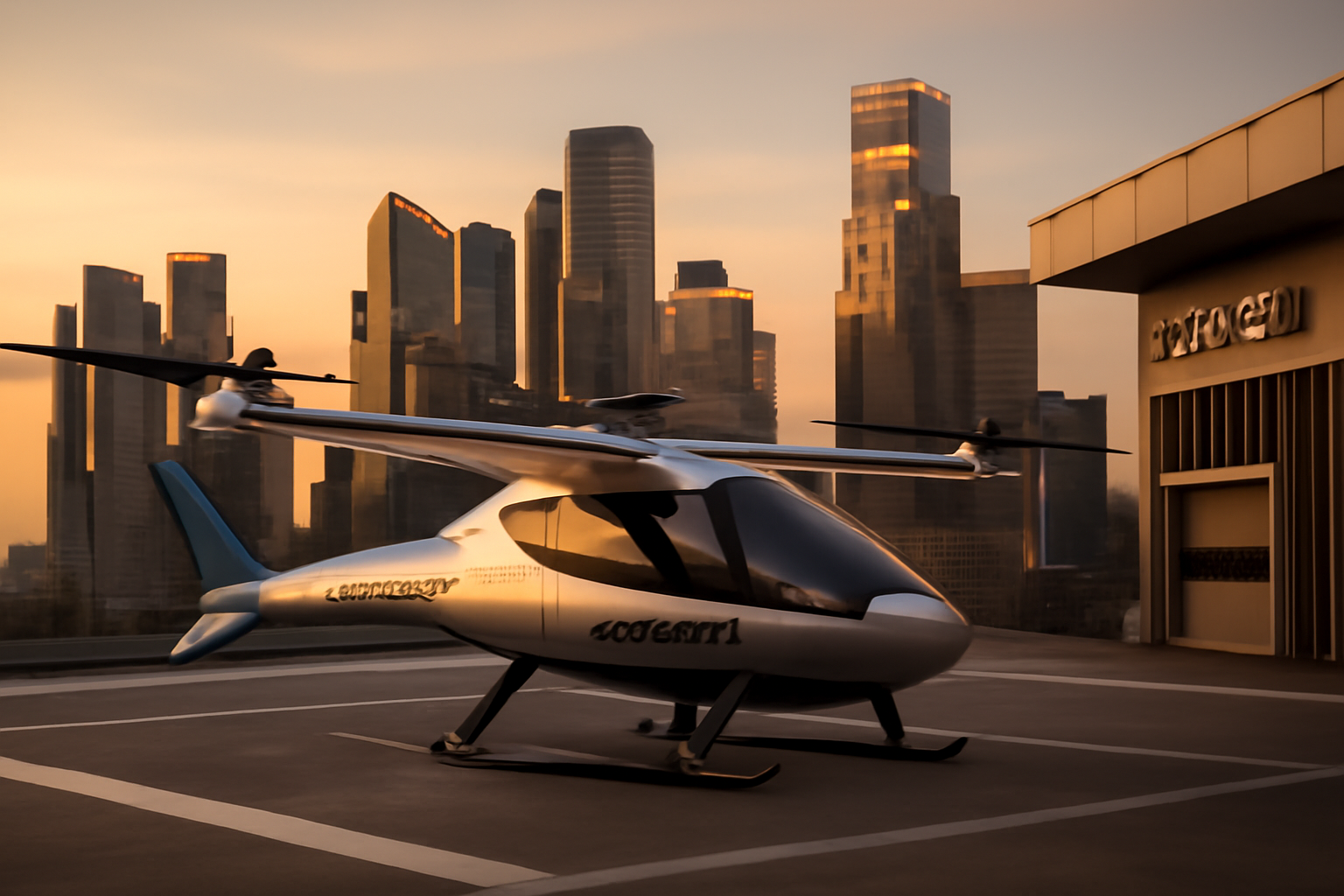
AutoFlight, a leading Chinese eVTOL manufacturer, has announced a significant Memorandum of Understanding (MoU) with Singapore-based JC Aviation for the planned purchase of 260 electric vertical takeoff and landing aircraft. This landmark agreement represents one of the largest commitments for eVTOL vehicles in the Asia-Pacific region and marks a pivotal moment in the global expansion of personal air mobility services.
AutoFlight’s Strategic Growth in Asia-Pacific Markets
AutoFlight (峰飞航空), founded with a mission to revolutionize regional aviation through electric aircraft technology, has been rapidly expanding its presence across Asia-Pacific. The company’s focus on developing practical, commercially viable eVTOL solutions has positioned it as a key player in the emerging air mobility ecosystem. With this substantial order from JC Aviation, AutoFlight demonstrates its ability to scale production and meet the growing demand for electric aircraft in congested urban and regional markets.
The partnership with JC Aviation highlights the confidence regional operators place in AutoFlight’s technology and business model. JC Aviation’s commitment to acquiring 260 aircraft signals a strategic vision for deploying air mobility services across multiple Southeast Asian markets, where traffic congestion and limited ground transportation infrastructure create ideal conditions for eVTOL operations.
This MoU also reinforces AutoFlight’s manufacturing capabilities and supply chain resilience. To fulfill such a substantial order, the company will need to scale its production facilities significantly, creating opportunities for local manufacturing partnerships and job creation throughout the region. This expansion aligns with broader regional efforts to position Asia-Pacific as a hub for advanced aviation technology.
JC Aviation’s Vision for Regional Air Mobility Services
JC Aviation’s decision to commit to 260 eVTOL aircraft reflects a bold strategic bet on the future of urban and regional air transportation. As a Singapore-based operator with established logistics and aviation expertise, JC Aviation is well-positioned to launch commercial air mobility services across Southeast Asia’s rapidly growing cities. Singapore itself has been actively developing regulatory frameworks and infrastructure for eVTOL operations, making it an ideal launch point for regional expansion.
The acquisition of this fleet size suggests JC Aviation envisions a comprehensive network of air mobility services spanning multiple cities and countries. With 260 aircraft, the operator could establish regular routes connecting major urban centers, support emergency medical transport, and develop premium air taxi services for business travelers. This scale of operation requires substantial infrastructure investment, including vertports and maintenance facilities across the region.
JC Aviation’s partnership with AutoFlight demonstrates the operator’s preference for working with proven Asian manufacturers who understand regional market dynamics and regulatory environments. This collaboration could serve as a template for other regional operators considering large-scale eVTOL fleet acquisitions, potentially accelerating the commercialization of air mobility services throughout Southeast Asia.
Market Implications for the Global eVTOL Industry
The AutoFlight-JC Aviation MoU represents a major validation of the commercial viability of eVTOL technology at scale. While many eVTOL manufacturers have received pre-orders or letters of intent, actual Memoranda of Understanding between operators and manufacturers demonstrate serious commitment to production and deployment timelines. This agreement adds credibility to the sector and suggests that commercial operations may begin sooner than previously anticipated in the Asia-Pacific region.
Industry analysts view this deal as a significant indicator of regional investor confidence in electric aviation. The Asia-Pacific market, home to some of the world’s most congested cities and fastest-growing economies, represents an attractive opportunity for air mobility services. Countries like Singapore, China, South Korea, and Japan are investing heavily in regulatory frameworks and infrastructure to support eVTOL operations, creating a favorable environment for early adopters like JC Aviation.
The transaction also highlights the competitive dynamics within the global eVTOL market. Chinese manufacturers like AutoFlight are gaining ground internationally, leveraging cost-effective production capabilities and deep understanding of Asian markets. This competition is spurring innovation and potentially accelerating timelines for commercial eVTOL services worldwide. The success of AutoFlight’s Asia-Pacific strategy may influence investment and partnership decisions for other manufacturers entering regional markets.
Regulatory and Infrastructure Challenges Ahead
While the MoU represents significant progress, successfully deploying 260 eVTOL aircraft across the Asia-Pacific region will require overcoming substantial regulatory and infrastructure challenges. Different countries maintain varying aviation regulations, safety standards, and airspace management protocols. JC Aviation and AutoFlight will need to work closely with aviation authorities across multiple nations to ensure certification, operational approval, and safe integration with existing air traffic systems.
Infrastructure development represents another critical challenge. Operating 260 eVTOL aircraft requires an extensive network of vertports—specialized facilities for takeoff, landing, charging, and maintenance. Urban areas across Southeast Asia will need to identify suitable locations for these facilities, obtain necessary land rights, and secure financing for construction. The pace at which this infrastructure is deployed will directly impact how quickly JC Aviation can launch commercial operations and achieve return on its substantial aircraft investment.
Environmental and community considerations also require careful attention. While eVTOL aircraft offer significant environmental benefits compared to traditional helicopters and ground transportation, concerns about noise, air safety, and urban airspace congestion must be addressed. Successful deployment of this fleet will depend on public acceptance, environmental impact assessments, and community engagement strategies across multiple markets.
Key Challenges and Opportunities for Commercial Deployment
- Securing regulatory approvals and certifications across multiple Asian countries with varying aviation authorities
- Developing extensive vertport infrastructure networks in major Southeast Asian cities within realistic timelines
- Building operational expertise and training programs for pilots and maintenance personnel across the region
- Managing battery supply chains and establishing charging infrastructure at scale
- Demonstrating economic viability through competitive pricing and sustained passenger or cargo demand
The AutoFlight-JC Aviation partnership demonstrates the growing momentum behind eVTOL commercialization in Asia-Pacific. With 260 aircraft on order, the region is poised to become a major hub for personal air mobility services. Success will require coordinated efforts from manufacturers, operators, regulators, and infrastructure developers, but the scale of this commitment suggests that the industry is ready to move from development and testing to real-world commercial deployment. As these aircraft enter service over the coming years, they will provide valuable data on operational efficiency, customer demand, and market viability that could shape the global air mobility industry for decades to come.