
HIGHLIGHTS
- Gadfin begins serial production of Spirit One HD, moving from prototype development to commercial manufacturing—a rare achievement that positions the company ahead of most eVTOL competitors still in testing phases.
- Serial production launch signals maturing regulatory approval pathways, growing operational demand from ride-sharing and logistics firms, and sufficient customer pre-orders or capital commitments to justify manufacturing infrastructure investment.
- Success hinges on delivering aircraft that meet performance, cost, and safety targets while establishing supporting ecosystems including charging stations, maintenance centers, pilot training, and airspace integration systems worldwide.
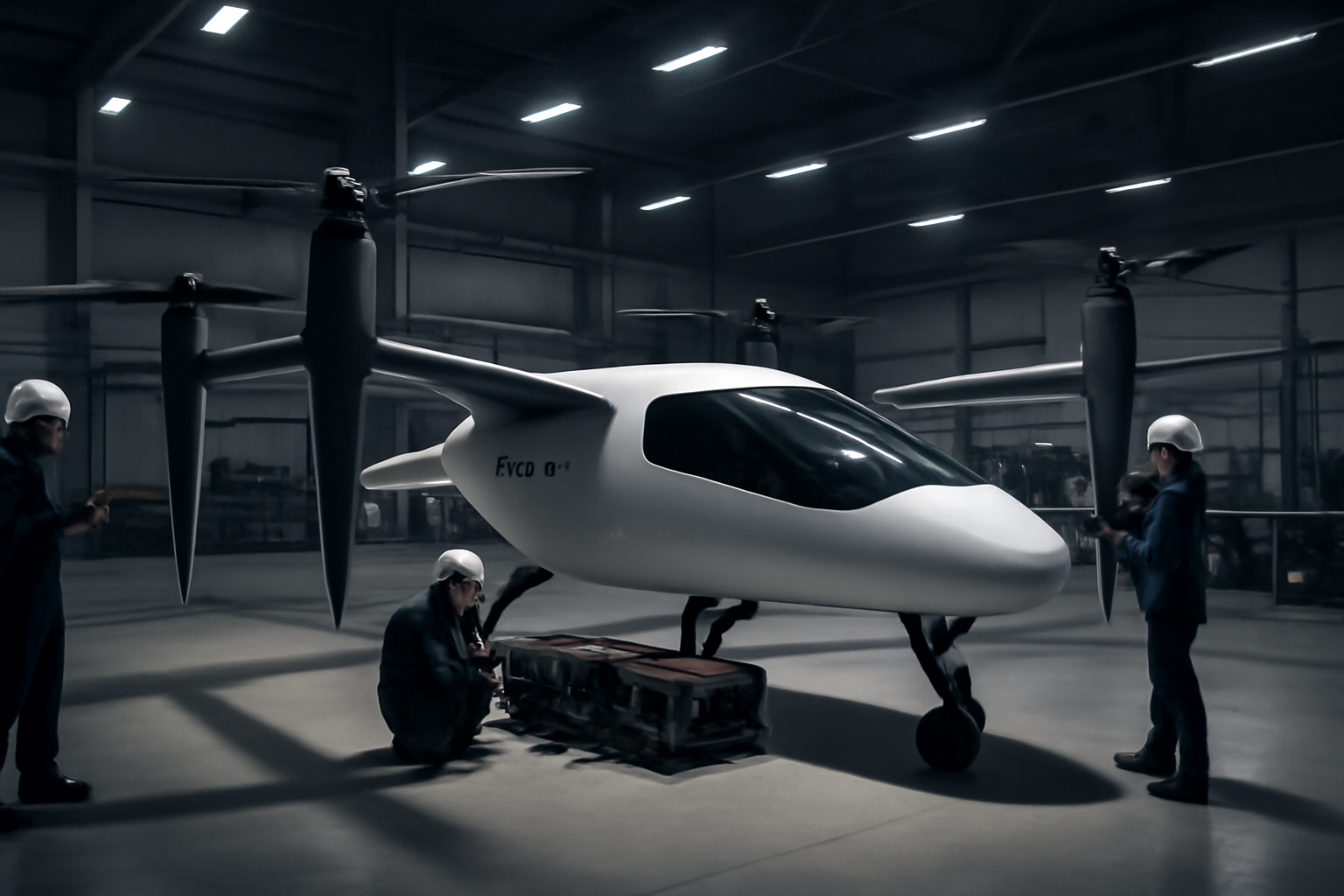
Gadfin has officially entered a new era in personal air mobility by commencing serial production of the Spirit One HD eVTOL aircraft. This milestone represents a significant step forward for the company and the broader electric vertical takeoff and landing industry, signaling that commercial air mobility is transitioning from prototype development into real-world manufacturing and deployment.
What Is the Spirit One HD?
The Spirit One HD is Gadfin’s flagship eVTOL aircraft, engineered to deliver high-performance capabilities for both passenger and cargo operations. The HD designation reflects the advanced avionics, enhanced battery systems, and refined aerodynamic design that distinguish this model from earlier iterations and competing platforms in the market.
This aircraft represents years of research and development, incorporating feedback from test flights, regulatory consultations, and industry partnerships. The Spirit One HD combines vertical takeoff and landing capability with the range, speed, and payload capacity necessary for meaningful commercial applications in urban and regional air mobility networks.
The shift to serial production indicates that Gadfin has successfully navigated critical engineering, safety, and certification milestones, enabling the company to move beyond limited prototype manufacturing into standardized, repeatable production processes.
Serial Production: A Game-Changing Milestone
Serial production is fundamentally different from prototype or limited-run manufacturing. It requires establishing supply chains, standardizing assembly processes, implementing quality control systems, and achieving the economies of scale necessary to reduce per-unit costs and improve profitability. For Gadfin, this transition signals confidence in the Spirit One HD’s design maturity and market readiness.
The move to serial production also demonstrates that the company has secured sufficient capital, pre-orders, or partnerships to justify the investment in production infrastructure. This commitment shows conviction that demand exists for the Spirit One HD and that regulatory pathways—particularly in key markets like the United States and Europe—are becoming clearer and more navigable.
Industry observers view serial production announcements as watershed moments in the eVTOL sector. While dozens of startups have tested advanced air mobility concepts, far fewer have reached the manufacturing stage. Gadfin’s achievement places it among a select group of companies actively producing aircraft rather than merely designing them, a distinction that carries significant weight in attracting investors, partners, and customers.
Market Implications and Competitive Landscape
The Spirit One HD’s entry into serial production occurs at a pivotal moment for the eVTOL industry. Regulatory frameworks are solidifying, with the FAA and EASA establishing certification pathways for small electric aircraft. Simultaneously, demand signals from ride-sharing companies, emergency services, and logistics operators are strengthening, creating genuine commercial opportunities for proven hardware.
Gadfin’s production launch will intensify competition among established eVTOL manufacturers. Companies like Joby Aviation, Lilium, and Archer have also pursued certification and production milestones, but each brings different technical approaches and market strategies. The Spirit One HD’s competitive positioning—its performance envelope, price point, and operational flexibility—will determine how aggressively it captures market share.
For potential customers evaluating eVTOL platforms, Gadfin’s shift to serial production is a credibility signal. Aircraft in production represent lower execution risk than those still in development, a critical consideration for operators planning multi-year business models around air mobility infrastructure.
Regulatory and Infrastructure Considerations
Serial production of a new aircraft category brings regulatory responsibilities. The Spirit One HD must navigate airworthiness certification, pilot qualification standards, operational approval for specific missions, and integration into existing airspace systems. Gadfin’s production timeline likely reflects consultations with aviation authorities to ensure each manufactured unit meets applicable standards.
Beyond airworthiness, the success of the Spirit One HD depends on supporting infrastructure: charging stations or battery swap facilities, maintenance and repair centers, pilot training programs, and operational control systems to manage eVTOL traffic in busy airspace. These ecosystem elements are still under development globally, but Gadfin’s production commitment suggests the company is working with stakeholders to address them.
The timing of Gadfin’s announcement also reflects growing regulatory maturity. As governments and aviation authorities worldwide develop certification standards and operational frameworks for eVTOL aircraft, manufacturers can move from indefinite development cycles into production with greater confidence that regulatory approval will follow proven technical and safety criteria.
Key Takeaways From Gadfin’s Serial Production Launch
- Gadfin’s transition from prototype development to serial production of the Spirit One HD marks a major inflection point, positioning the company alongside a select few in the eVTOL industry actually manufacturing aircraft at scale.
- The Spirit One HD’s production readiness signals strengthening regulatory frameworks, growing market demand, and sufficient customer interest to justify the capital and operational investment required for manufacturing infrastructure.
- Serial production intensifies competition in the eVTOL market while raising execution risk for manufacturers; Gadfin’s success will depend on delivering aircraft that meet performance, safety, and cost targets while establishing the supporting ecosystem of charging, maintenance, and operational services.
Gadfin’s announcement of Spirit One HD serial production represents a turning point for both the company and the broader air mobility industry. As eVTOL technology matures and regulatory frameworks solidify, manufacturers moving into production will shape the future of urban and regional aviation. The Spirit One HD’s success on the manufacturing line—and in the hands of operators—will provide critical data on whether electric vertical takeoff and landing vehicles can deliver on their promise of safer, cleaner, and more efficient air transport. For industry observers, regulators, and potential customers, Gadfin’s achievement is a welcome indicator that personal air mobility is moving from vision to reality.