HIGHLIGHTS
- Fully autonomous eVTOL aircraft completed historic flight with zero human pilots on board, validating unmanned air mobility technology
- Advanced AI, LiDAR/radar sensors, and redundant communication systems enabled safe autonomous takeoff, navigation, and landing
- Breakthrough accelerates autonomous cargo delivery, emergency medical transport, and eventual passenger air taxi commercialization timelines
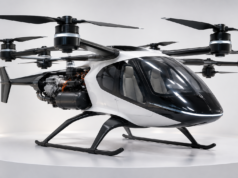
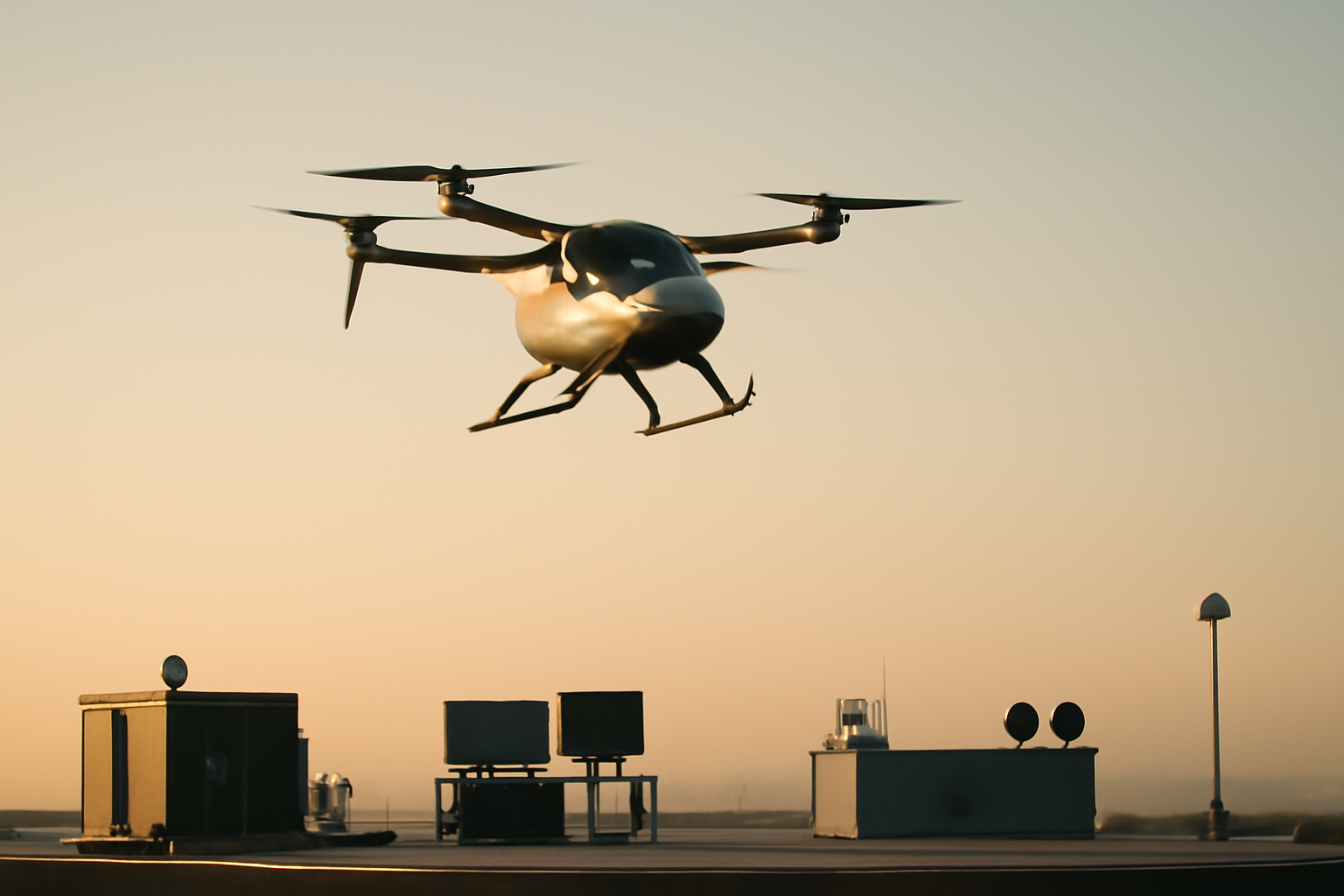
The personal air mobility industry has reached a historic milestone. An electric vertical takeoff and landing aircraft recently completed a fully autonomous flight with no pilots on board, demonstrating that the technology for unmanned urban air mobility is rapidly maturing. This breakthrough flight represents years of research, development, and regulatory groundwork coming to fruition in real-world conditions.
The Historic Autonomous Flight That Changed Everything
The autonomous eVTOL aircraft lifted off, navigated its predetermined flight path, and landed successfully—all without any human intervention or pilots on board. This achievement marks a critical turning point in the evolution of air mobility technology. The successful flight validates the autonomous systems, navigation algorithms, and safety protocols that engineers have been refining for years. Every aspect of the operation, from takeoff to landing, was executed by onboard automation and artificial intelligence systems.
The significance of this event cannot be overstated. Throughout the aviation industry, unmanned flight has been a goal, but achieving it safely and reliably at the eVTOL scale represents a new frontier. The aircraft managed complex airspace, real-world environmental conditions, and all critical flight operations without requiring a single human pilot in the cockpit. This demonstrates that autonomous personal air vehicles are no longer theoretical concepts—they are operational realities.
This flight also serves as validation for the regulatory frameworks being developed around autonomous air mobility. Regulatory agencies worldwide have been working to establish safety standards for unmanned aircraft operations in shared airspace. The successful completion of this autonomous flight provides real-world data that supports the development of these essential regulations. It proves that autonomous eVTOLs can operate safely within established parameters.
Technological Innovations Behind the Achievement
The autonomous systems powering this historic flight rely on cutting-edge technology across multiple domains. Advanced artificial intelligence algorithms manage flight control, obstacle detection, and real-time decision-making. The aircraft is equipped with redundant sensors including LiDAR, radar, and optical systems that create a comprehensive environmental awareness picture. These sensors work in concert to identify obstacles, track position, and maintain safe separation from other aircraft and ground infrastructure.
Battery management and power optimization represent critical technological components that enable autonomous eVTOLs to operate efficiently. The electric propulsion system must balance power consumption with mission requirements while maintaining safety margins throughout the flight. The onboard systems monitor battery health, temperature, and performance in real-time, automatically adjusting the flight profile to ensure safe operation. This level of autonomous power management is essential for unmanned operations where a pilot cannot manually intervene.
Communication systems between the ground control stations and the aircraft operate with multiple layers of redundancy and encryption. Even though no pilot was on board, the aircraft maintained constant telemetry links with ground operators who could monitor the flight and intervene if necessary. These communication systems are designed with latency tolerance and can handle signal interruptions gracefully. The architecture ensures that autonomous operations remain within safe operational boundaries at all times.
What This Means for Urban Air Mobility
Urban air mobility operators have been waiting for proof points like this autonomous flight to accelerate commercialization timelines. Airlines and air taxi services are increasingly interested in autonomous operations for cargo delivery and eventually passenger transport. This successful flight demonstrates that the technological hurdles are surmountable and that unmanned eVTOL operations can be conducted safely. The path toward autonomous urban air mobility has become significantly clearer.
The economic implications are substantial. Autonomous aircraft eliminate the need for pilot training, licensing, and in-flight crew costs—significant expenses for any air mobility operation. This cost reduction could accelerate the adoption of eVTOL technology for last-mile delivery, emergency medical transport, and other commercial applications. As autonomous operations become more common, the per-flight operational costs should decline, making air mobility services more accessible and economically viable.
Safety considerations are being validated through these real-world operations. Autonomous systems do not experience fatigue, distraction, or the human factors that contribute to aviation incidents. The aircraft’s automated systems can respond to emergencies faster than human pilots could react. As more data is collected from autonomous flights like this one, the safety record of unmanned eVTOLs will likely demonstrate performance equal to or better than piloted operations.
Regulatory and Industry Implications
The successful autonomous flight provides valuable data to regulatory bodies developing frameworks for unmanned air mobility operations. Regulators have been cautious about approving autonomous operations, but demonstrations like this prove that the technology meets safety standards. The FAA, EASA, and other aviation authorities are actively monitoring these developments to inform their certification and approval processes. This flight contributes to the body of evidence supporting autonomous eVTOL regulations.
Other eVTOL manufacturers and developers are likely accelerating their autonomous technology programs in response to this milestone. The competitive landscape of air mobility is shifting toward autonomous capabilities as a key differentiator. Companies that can demonstrate reliable autonomous operations will gain regulatory approvals faster and capture market share more quickly. The historic flight raises expectations across the entire industry for autonomous capability timelines.
Infrastructure operators are also taking note of this achievement. Airports, vertiports, and air traffic management systems must evolve to accommodate autonomous aircraft. Ground control systems, charging infrastructure, and traffic coordination systems all need to be designed with unmanned operations in mind. This autonomous flight validates that the infrastructure investments being made by vertiport operators and airport authorities are aligned with future operational realities.
Key Takeaways from This Autonomous Achievement
- A fully autonomous eVTOL aircraft successfully completed a historic flight with zero human pilots on board, validating unmanned air mobility technology
- Advanced AI systems, redundant sensors, and multiple communication layers enabled the aircraft to execute takeoff, navigation, and landing without human intervention
- This breakthrough accelerates commercialization timelines for autonomous cargo delivery, emergency medical transport, and eventual autonomous passenger air taxi services
The autonomous eVTOL flight that just made history represents a transformative moment for personal air mobility. It proves that the vision of unmanned aircraft operating safely in urban airspace is transitioning from future concept to present reality. As regulatory frameworks evolve and technology continues to mature, autonomous eVTOL operations will become increasingly common. This historic flight is not the endpoint—it is the beginning of a new era in air mobility where autonomous systems handle the complexities of flight while humans focus on strategic oversight and network management. The future of personal air mobility is autonomous, electric, and closer than many realized.