HIGHLIGHTS
- Lake Tahoe forum moves beyond traditional EVs to explore eVTOL aircraft, flying cars, and electric boats as integrated mobility solutions
- Commercial eVTOL operations are expected to launch 2025-2027, requiring communities to begin vertiport infrastructure and airspace management planning
- Comprehensive sustainable mobility strategy combining air, water, and ground transportation strengthens environmental leadership and regional competitiveness
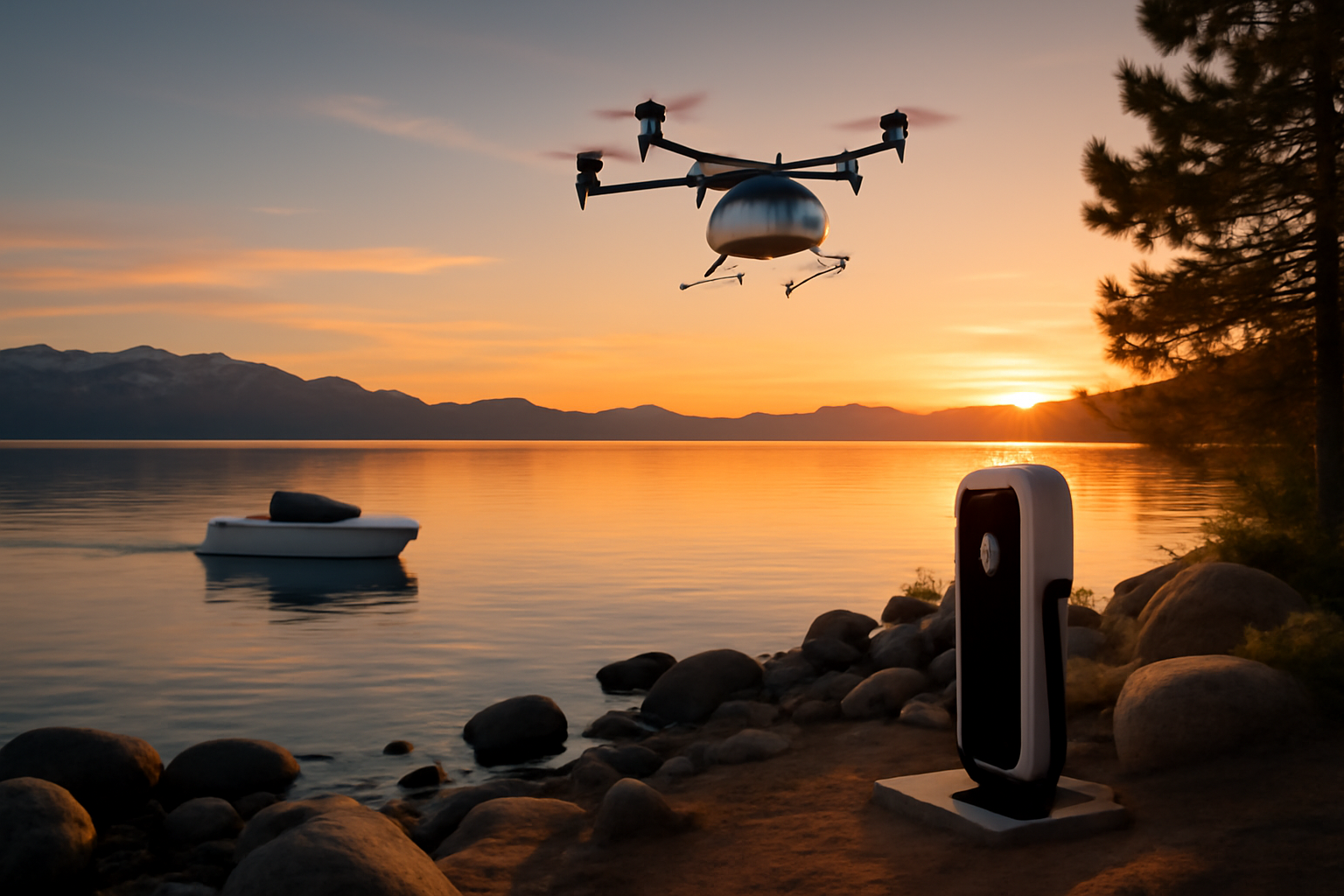
The mobility revolution extends far beyond traditional electric vehicles. At a recent Lake Tahoe forum, industry leaders and innovators gathered to explore the next frontier of sustainable transportation, including electric vertical takeoff and landing (eVTOL) aircraft, flying cars, and electric boats. This forward-thinking discussion signals a significant shift in how communities are planning for clean mobility infrastructure and urban air mobility integration.
The Expanding Vision of Electric Mobility
For years, the electric vehicle conversation has dominated sustainable transportation discussions, focusing primarily on cars and trucks on roadways. However, progressive communities like those around Lake Tahoe are recognizing that true transportation transformation requires looking upward and outward. The forum brought together stakeholders to discuss how air and water-based electric mobility can complement traditional EV infrastructure, creating a comprehensive clean transportation ecosystem.
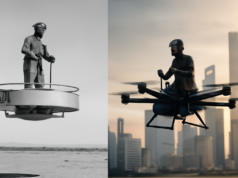
This expanded vision reflects the reality that personal air mobility (PAM) technology is rapidly maturing. Electric vertical takeoff and landing aircraft are no longer theoretical concepts—they’re being tested, certified, and prepared for commercial operations in cities worldwide. By positioning eVTOL aircraft and flying cars as part of a larger mobility conversation, Lake Tahoe’s forum acknowledges that the next decade will see diverse transportation modes coexisting and complementing each other.
The forum’s inclusive approach demonstrates how regional planning bodies can stay ahead of technological disruption. Rather than treating air mobility, electric vehicles, and water-based transport as separate sectors, forward-thinking regions are integrating them into unified sustainability and transportation strategies that address congestion, emissions, and quality of life.
Flying Cars and eVTOL Aircraft: From Fantasy to Reality
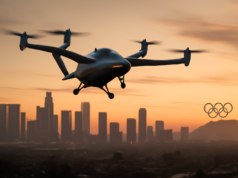
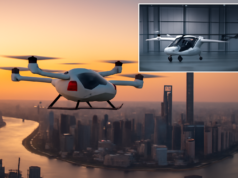
Flying cars have long captured the public imagination as a symbol of futuristic transportation. What makes the Lake Tahoe forum significant is that it treated flying cars and eVTOL aircraft not as science fiction, but as imminent transportation options worthy of serious infrastructure planning. Companies like Joby Aviation, Lilium, and Archer are conducting test flights globally, with commercial operations expected to launch in major metropolitan areas between 2025 and 2027.
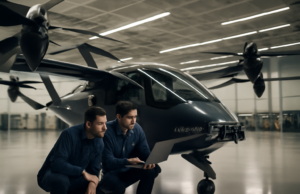
The practical applications for eVTOL aircraft are compelling for a region like Lake Tahoe. These aircraft could dramatically reduce travel times for regional connectivity, provide rapid emergency medical transport, and offer sustainable alternatives to traditional helicopter services. The forum likely discussed how communities need to begin preparing for vertiport infrastructure, airspace management, and regulatory compliance before commercial operations commence.
What distinguishes eVTOL technology from traditional helicopters is its environmental profile. These aircraft produce zero direct emissions, operate at lower noise levels, and promise significantly reduced operational costs. For environmentally conscious regions like those around Lake Tahoe, eVTOL adoption aligns perfectly with existing sustainability commitments and quality-of-life priorities that draw residents and tourists to the area.
Electric Boats: Quieting Waterways While Reducing Emissions
Lake Tahoe’s inclusion of electric boats in the mobility discussion is particularly relevant given the region’s relationship with water recreation and environmental stewardship. Electric propulsion technology for marine vessels has advanced substantially, offering quiet, zero-emission alternatives to traditional fuel-powered boats. This represents a meaningful opportunity to preserve the natural character of Tahoe’s pristine waters while maintaining recreational access.
Electric boats address multiple challenges simultaneously: they eliminate harmful fuel spills, reduce noise pollution that disrupts wildlife and residential areas, and lower long-term operating costs for recreational and commercial marine operators. The Lake Tahoe forum’s attention to electric marine propulsion suggests communities are thinking holistically about how to decarbonize all transportation modes within their boundaries.
Integration of electric boats with other sustainable mobility options creates a complete vision for regional transportation. Visitors and residents could potentially combine eVTOL flights for regional transit with electric boat rentals for local water recreation, all powered by renewable energy and producing zero emissions. This comprehensive approach strengthens the appeal of destinations committed to environmental excellence.
Infrastructure and Policy Implications for Regional Mobility
Hosting a forum that explores flying cars, eVTOL aircraft, and electric boats indicates that Lake Tahoe’s leadership recognizes the infrastructure challenges these technologies demand. Vertiports require specific design standards, charging infrastructure must be distributed across regions, and regulatory frameworks must evolve to accommodate new mobility modes. The forum provides an opportunity for stakeholders to begin collaborative planning before these technologies arrive at scale.
Policy coordination is essential for successful integration of multiple transportation modes. Zoning regulations, environmental reviews, noise ordinances, and safety protocols all require updates to accommodate eVTOL operations and expanded electric mobility. By convening discussions now, communities can proactively develop supportive policies rather than reactively responding to technological deployment.
The Lake Tahoe forum also likely addressed public perception and safety concerns. Many people remain skeptical about flying cars and eVTOL aircraft, viewing them as risky or impractical. Educational initiatives and transparent discussions about regulatory frameworks and safety records help build confidence in these emerging mobility solutions. Communities that lead these conversations position themselves as innovation leaders while ensuring public support for infrastructure investments.
Sustainability and Environmental Leadership
Lake Tahoe has long been a symbol of environmental preservation and outdoor recreation. By embracing flying cars, eVTOL aircraft, and electric boats, the region reinforces its commitment to being a sustainability leader. These technologies align perfectly with existing environmental values and demonstrate how technological innovation can support conservation goals rather than undermining them.
The forum reflects a growing recognition that environmental leadership requires proactive adoption of clean transportation technologies. Rather than waiting for regulations to force changes, forward-thinking regions voluntarily integrate sustainable mobility solutions, gaining competitive advantages in attracting environmentally conscious residents, businesses, and tourists. The Lake Tahoe approach positions the region as a living laboratory for comprehensive sustainable transportation.
Electric mobility across air, water, and ground transportation creates a powerful narrative about regional commitment to environmental stewardship. When visitors see zero-emission options for every journey—whether traveling regionally by eVTOL, recreating on electric boats, or moving locally by EV—the message about environmental values becomes reinforced through everyday experience.
Key Takeaways: The Future of Regional Mobility
- Lake Tahoe forum expands mobility conversation beyond traditional EVs to include eVTOL aircraft, flying cars, and electric boats as part of comprehensive transportation strategy
- eVTOL aircraft are transitioning from concept to reality, with commercial operations expected 2025-2027, requiring communities to begin vertiport infrastructure and airspace planning
- Integrated approach to sustainable mobility—combining electric vehicles, air taxis, and marine propulsion—strengthens environmental leadership and community appeal
The Lake Tahoe forum’s exploration of flying cars, eVTOL aircraft, and electric boats signals an important evolution in how progressive communities approach transportation planning. Rather than siloing different mobility modes, forward-thinking regions are developing integrated strategies that leverage technological innovation to achieve environmental and quality-of-life goals. As eVTOL technology matures and moves toward commercial deployment, communities that begin planning now will be best positioned to welcome these innovations while maintaining safety, environmental integrity, and public confidence. The discussion at Lake Tahoe represents a valuable model for how regions can proactively shape the future of mobility rather than reactively responding to change.