HIGHLIGHTS
- Autonomous cargo aircraft could slash logistics costs by 30-50% while eliminating pilot requirements and enabling round-the-clock delivery operations.
- Regulatory agencies are fast-tracking certification frameworks for pilotless cargo operations, with safety protocols and airspace management standards now in development.
- Vertiport networks are expanding globally to support autonomous eVTOL aircraft, potentially capturing 5-10% of last-mile deliveries within five years.
The future of package delivery is about to take flight—without a pilot at the controls. Pilotless cargo aircraft, powered by electric vertical takeoff and landing (eVTOL) technology, are emerging as a game-changing solution for the logistics industry. As regulatory agencies begin greenlighting autonomous flight operations, major carriers and technology companies are accelerating their investments in these transformative aircraft. This shift promises faster delivery times, reduced labor costs, and a dramatic decrease in carbon emissions across the last-mile delivery sector.
The Rise of Autonomous Cargo eVTOL Aircraft
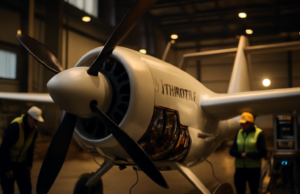
Pilotless cargo aircraft represent a natural evolution in aviation technology, combining decades of drone innovation with scaled-up electric propulsion systems. Unlike traditional helicopters or fixed-wing cargo planes that require human pilots, these autonomous vehicles operate using sophisticated onboard sensors, GPS guidance, and AI-powered navigation systems. The appeal to logistics companies is immediate: reduced operating costs, 24/7 operational capability, and the ability to bypass congested ground routes entirely.
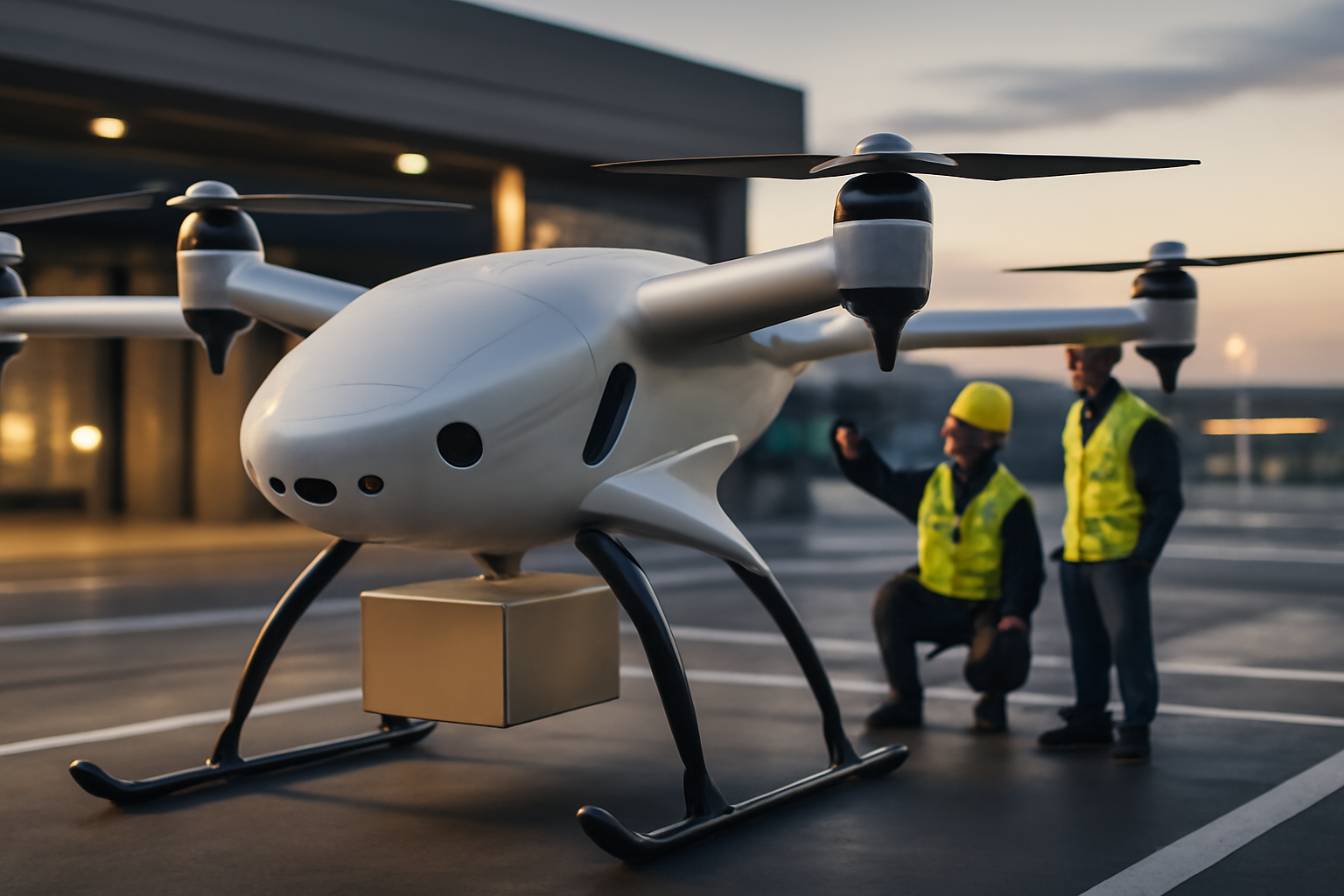
Companies across the aerospace and logistics sectors are investing heavily in autonomous cargo platforms. These aircraft can carry payloads ranging from a few kilograms to several hundred kilograms, making them suitable for everything from pharmaceutical deliveries to small parcel transport. The integration of real-time traffic management systems ensures safe, coordinated airspace usage even as the number of autonomous flights increases dramatically.
Regulatory frameworks are beginning to catch up with the technology. Aviation authorities worldwide are establishing protocols for autonomous aircraft operations, including fail-safe systems, remote monitoring capabilities, and geofencing restrictions. This regulatory clarity is crucial for unlocking the commercial potential of pilotless cargo delivery at scale.
Economic and Operational Benefits
The economic case for pilotless cargo aircraft is compelling. Eliminating the need for pilots, crew rest requirements, and associated human resources expenses could reduce operational costs by 30-50% compared to traditional crewed cargo operations. Additionally, these electric aircraft produce zero direct emissions, aligning with global sustainability commitments and corporate environmental goals.
Operational efficiency gains are equally significant. Autonomous cargo aircraft can operate continuously without fatigue limitations, enabling faster turnaround times and increased delivery capacity. They can also access smaller vertiports and landing zones that traditional aircraft cannot reach, creating new logistics hubs in previously underserved areas and accelerating last-mile delivery speed.
Insurance and liability models are rapidly evolving to accommodate autonomous operations. As safety records improve and manufacturers demonstrate reliability, insurance premiums for pilotless aircraft are expected to drop, making the business case even more attractive for logistics operators and startups entering the market.
Safety, Regulation, and Infrastructure Development
Safety is paramount in autonomous cargo operations, and manufacturers are implementing redundant systems to ensure reliability. Multiple sensors, independent navigation systems, and automatic failsafe protocols mean that pilotless cargo aircraft often demonstrate higher safety standards than human-piloted alternatives. Regulatory agencies are establishing certification standards that emphasize these technical safeguards before granting operational approval.
Vertiport infrastructure is expanding rapidly to support autonomous cargo operations. Companies are developing small, strategic landing facilities in urban and suburban areas, designed specifically for eVTOL aircraft. These facilities require minimal space compared to traditional airports, enabling dense networks of delivery nodes that accelerate cargo distribution.
Air traffic management systems are being upgraded to accommodate thousands of autonomous aircraft operating simultaneously. Integration with existing aviation infrastructure and development of “vertiport networks” will enable seamless, coordinated operations that prioritize safety while maximizing throughput. Public-private partnerships are accelerating this infrastructure buildout.
Market Growth and Industry Adoption
The pilotless cargo aircraft market is entering a growth phase. Early adopters include express delivery services, medical logistics providers, and e-commerce companies seeking competitive advantages through faster delivery times. Startups and established aerospace manufacturers are competing fiercely to capture market share, driving rapid innovation and cost reduction.
Regional and urban delivery scenarios present the most immediate opportunities. Congested cities and densely populated areas stand to benefit most from autonomous cargo aircraft, which can bypass ground traffic entirely. Medical deliveries, including organs for transplants and urgent medications, represent high-value use cases where speed and reliability are worth premium pricing.
Long-term projections suggest pilotless cargo aircraft could handle 5-10% of last-mile deliveries within five years. As infrastructure expands and safety records accumulate, this percentage is expected to grow significantly, fundamentally reshaping logistics networks worldwide. Investment by logistics giants, venture capital firms, and government agencies confirms this market potential.
Key Takeaways: Pilotless Cargo Aircraft Revolution
- Autonomous eVTOL cargo aircraft eliminate pilot costs and enable 24/7 operations, potentially reducing logistics expenses by 30-50% while delivering packages faster than ground transport.
- Regulatory agencies are establishing certification frameworks for pilotless cargo operations, clearing the path for commercial deployment and addressing safety, airspace management, and liability concerns.
- Vertiport infrastructure networks are expanding globally, enabling seamless integration of autonomous cargo aircraft into urban and regional logistics ecosystems within the next 3-5 years.
The transformation of package delivery is underway. Pilotless cargo aircraft powered by electric propulsion represent a convergence of aviation technology, regulatory evolution, and market demand. As these autonomous systems prove their reliability and economic viability, the logistics industry will never look the same again. The sky is no longer just a limit—it’s becoming the highway for the future of delivery.