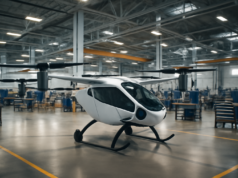

The announcement of a new Semicon park opening in December 2026, as confirmed by MB Patil, represents a significant development for the personal air mobility industry. This infrastructure expansion signals growing recognition of the importance of advanced technology parks in supporting emerging sectors, including electric vertical takeoff and landing (eVTOL) aircraft and EV drone manufacturing. The convergence of semiconductor technology and aerial vehicle development creates unprecedented opportunities for innovation and industrial growth in the region.
Strategic Importance of Semicon Parks for eVTOL Development
Semiconductor manufacturing parks play a crucial role in the eVTOL ecosystem by providing the foundational technology needed for autonomous flight systems, battery management electronics, and avionic controls. As eVTOL vehicles become increasingly sophisticated, the demand for advanced microprocessors, sensors, and power management systems continues to grow exponentially. The new Semicon park opening in December 2026 will ensure local access to cutting-edge semiconductor components essential for personal air mobility innovation.
The proximity of semiconductor manufacturing to drone and eVTOL production facilities creates significant competitive advantages. Companies can reduce supply chain complexity, lower transportation costs, and accelerate development cycles through closer collaboration between semiconductor engineers and aerospace developers. This integration fosters innovation as both industries can work together to design chips specifically optimized for aerial vehicle applications, including flight control systems and autonomous navigation capabilities.
Regional semiconductor parks also attract foreign direct investment and international partnerships, bringing global expertise in both chip manufacturing and electric aviation technologies. The December 2026 opening will position the region as a hub for integrated advanced technology development, supporting not just eVTOL manufacturers but also component suppliers, software developers, and service providers throughout the personal air mobility value chain.
Infrastructure Development for Next-Generation Mobility
The establishment of new technology parks represents a long-term commitment to building the infrastructure necessary for personal air mobility to flourish. Beyond semiconductor manufacturing, comprehensive tech parks typically include research facilities, testing laboratories, and incubation centers that support innovation across multiple sectors. This holistic approach to industrial development creates an ecosystem where eVTOL companies can develop, test, and refine their technologies in a supportive environment.
Modern semicon parks are designed with sustainability and advanced manufacturing practices at their core. The December 2026 opening will incorporate energy-efficient production methods and renewable energy integration, which aligns perfectly with the environmental goals driving the eVTOL industry. Electric vertical takeoff and landing aircraft are designed to reduce emissions and noise pollution, and manufacturing them in facilities powered by clean energy reinforces the sector’s commitment to environmental responsibility.
The infrastructure benefits extend beyond manufacturing facilities themselves. Technology parks typically feature advanced communication networks, logistics hubs, and skilled workforce development programs. For eVTOL companies, this means access to talent training in aerospace engineering, autonomous systems, battery technology, and regulatory compliance. The concentration of expertise creates a virtuous cycle where innovation accelerates as engineers and entrepreneurs collaborate within the same geographic region.
Regulatory Framework and Certification Pathways
The opening of a major Semicon park in India coincides with growing regulatory attention to eVTOL certification and approval processes. Technology parks often serve as coordination points between industry and regulatory bodies, facilitating the development of safety standards and certification procedures specific to electric aviation. As the December 2026 opening approaches, expectations are building for clearer regulatory frameworks governing eVTOL operations and manufacturing standards in the region.
Regulatory bodies recognize that concentrated technology ecosystems enable more effective oversight and standardization. Companies operating within established tech parks demonstrate commitment to compliance and quality standards, making regulatory approval processes more streamlined. For the eVTOL industry, this means faster paths to certification for new aircraft designs, battery technologies, and autonomous flight systems developed within the Semicon park ecosystem.
International cooperation on eVTOL standards is essential as the industry becomes truly global. Technology parks serve as bridges between different regulatory regimes, allowing companies to develop products that meet multiple international standards simultaneously. The December 2026 Semicon park opening will facilitate dialogue between Indian aviation authorities, international regulatory bodies, and industry stakeholders, contributing to harmonized standards that accelerate eVTOL commercialization worldwide.
Market Growth and Investment Opportunities
The announcement of the Semicon park opening signals strong investor confidence in the personal air mobility sector’s long-term potential. Significant infrastructure investments typically precede major industrial growth phases, and the December 2026 timeline suggests that venture capital, private equity, and government funding are already flowing toward eVTOL-related companies and suppliers. This capital influx accelerates technology development and brings promising innovations to market more quickly.
Emerging markets like India present particular opportunities for eVTOL growth due to rapid urbanization, traffic congestion in major cities, and increasing adoption of electric vehicle technologies. The Semicon park will support local eVTOL startups and international companies establishing manufacturing operations in the region. As the personal air mobility market expands from niche early adopter phase to mainstream adoption, cost-effective manufacturing capacity in India becomes increasingly valuable.
The supply chain benefits of having a major Semicon park extend throughout the global eVTOL ecosystem. Indian semiconductor manufacturers will export components to eVTOL companies worldwide, while international aerospace companies may establish development centers at the park to access advanced chip manufacturing capabilities. This creates a multiplier effect where December 2026’s opening catalyzes growth far beyond the immediate region, contributing to accelerated eVTOL industry development globally.
Key Takeaways: Semicon Park Impact on eVTOL Development
- December 2026 Semicon park opening provides essential semiconductor components for eVTOL flight control systems and autonomous navigation
- Technology park ecosystem reduces supply chain complexity and accelerates innovation through co-location of aerospace and electronics industries
- Infrastructure development supports regulatory harmonization and international cooperation on eVTOL certification standards
- Regional tech hub attracts investment capital and attracts global talent, positioning India as major eVTOL manufacturing center
- Semiconductor manufacturing capacity supports both local eVTOL companies and global export markets for drone and aircraft components
The December 2026 opening of the Semicon park marks an important milestone in the infrastructure development supporting the personal air mobility revolution. By providing access to advanced semiconductor manufacturing, specialized facilities, and concentrated technical expertise, the new technology park will accelerate eVTOL innovation and commercialization. As electric vertical takeoff and landing vehicles transition from experimental stage to mainstream transportation solutions, the availability of reliable, locally-sourced semiconductor components becomes increasingly critical. The Semicon park opening demonstrates regional commitment to emerging technologies and positions India as a key player in the global eVTOL ecosystem, contributing to faster innovation cycles and more affordable electric aviation solutions for passengers and cargo operators worldwide.