HIGHLIGHTS
- The National Museum of the US Air Force in Dayton hosted a major career exploration event featuring women in aviation, showcasing cutting-edge technology and mentorship opportunities in aerospace and emerging air mobility sectors.
- The eVTOL and personal air mobility industry is actively recruiting engineers, pilots, and technical professionals, with growing companies building inclusive cultures from the ground up—creating unprecedented career opportunities for women without historical gender barriers.
- Early investment in educational initiatives and mentorship programs directly addresses projected aerospace workforce shortages while positioning companies to attract top female talent as urban air mobility operations scale globally.
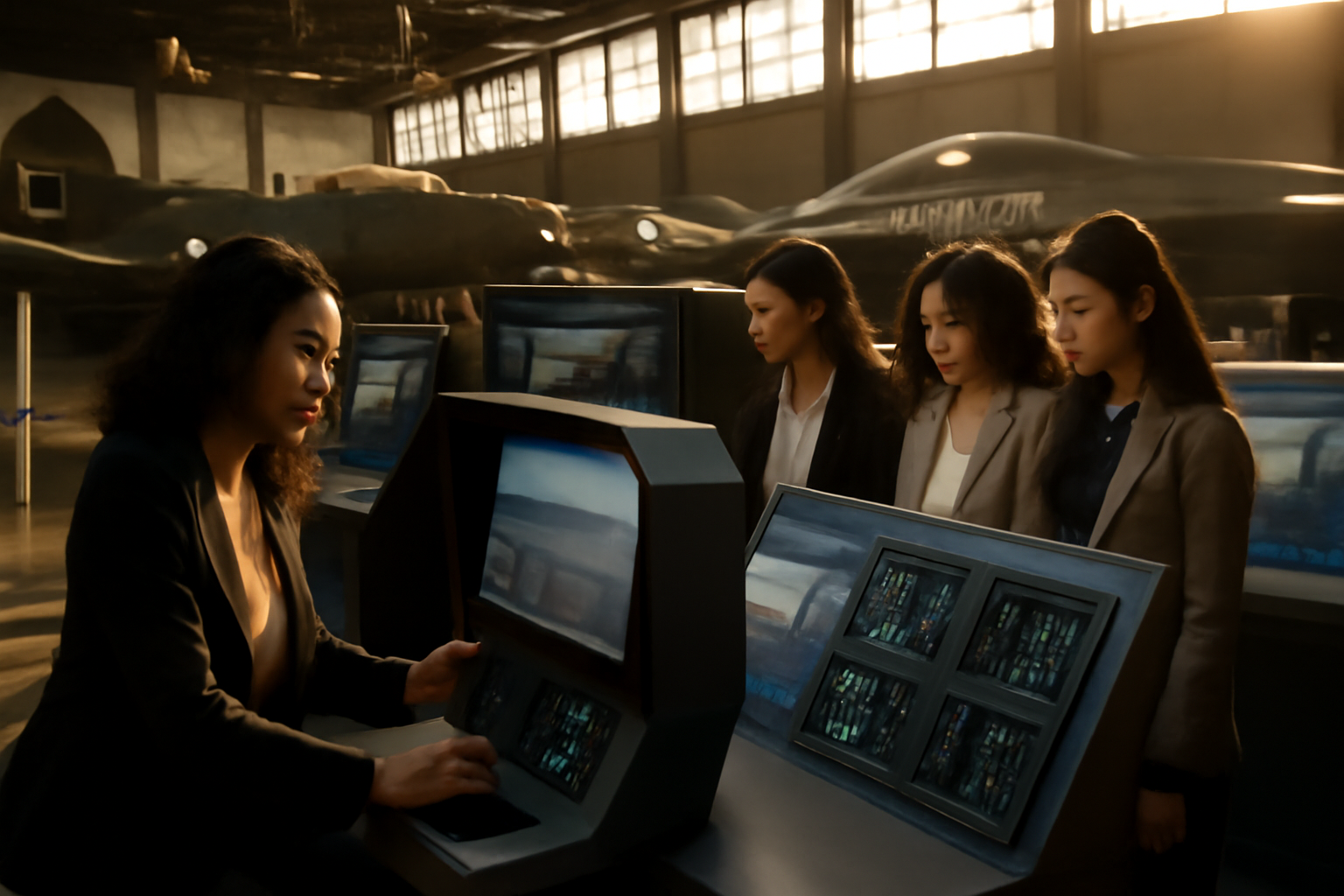
The National Museum of the US Air Force in Dayton, Ohio, recently hosted an engaging event celebrating women’s participation in aviation careers, featuring interactive technology displays and career exploration opportunities. This initiative underscores the growing importance of attracting diverse talent to the aerospace and aviation industries, including the emerging personal air mobility sector. As the eVTOL and drone markets accelerate, recruitment efforts targeting women engineers, pilots, and technical professionals have become increasingly vital for industry innovation and growth.
Breaking Barriers in Aerospace Leadership
Women have historically been underrepresented in aviation and aerospace careers, despite their significant contributions to the industry’s technological advances. Events like the National Museum of the US Air Force career showcase help bridge this gap by providing direct exposure to role models, mentors, and industry professionals. The museum’s platform enables young women to visualize themselves in technical and leadership roles within aviation.
The personal air mobility industry stands to benefit greatly from increased female participation. Companies developing eVTOLs, autonomous drones, and advanced aviation systems need diverse perspectives in engineering, certification, operations, and policy development. Women aviators and engineers bring unique problem-solving approaches that enhance innovation and competitiveness in rapidly evolving markets.
Career pathways in aviation are expanding beyond traditional pilot and mechanic roles. Today’s opportunities span aircraft design, software development, regulatory compliance, air traffic management systems, and autonomous flight operations—fields where women are increasingly making their mark and driving technological progress.
Technology on Display Drives Inspiration
The Dayton event featured cutting-edge aviation technology displays that captivate attendees and demonstrate the sophistication of modern aerospace systems. Interactive exhibits allow visitors to explore flight simulation, drone operations, and advanced avionics in hands-on environments. These demonstrations make abstract engineering concepts tangible and inspire younger participants to pursue technical careers.
As the eVTOL market matures, understanding the full spectrum of aviation technology becomes essential for workforce development. Future operators, maintenance technicians, and network managers will need comprehensive knowledge of electric propulsion systems, battery management, autonomous flight control, and urban air traffic management. Exposure to these technologies at educational venues helps build a qualified talent pipeline.
The National Museum of the US Air Force’s educational mission extends beyond historical preservation to include future-focused career guidance. By showcasing both legacy aviation achievements and emerging technologies, the museum helps prospective professionals understand how their skills and interests align with current industry demands and future opportunities in advanced air mobility.
Growing Demand in Personal Air Mobility
The personal air mobility sector is experiencing explosive growth, with billions of dollars invested in eVTOL aircraft development, infrastructure, and operational networks. Companies like Joby Aviation, Lilium, Archer Aviation, and Vertical Aerospace are actively recruiting talented engineers, pilots, and support staff to bring their products to market. This expansion creates unprecedented career opportunities for women entering the aviation field.
Unlike traditional aviation, which carries decades of cultural conventions, the eVTOL industry is building its culture from the ground up. This presents a unique opportunity to establish inclusive hiring practices, mentorship programs, and advancement pathways that prioritize diversity and merit-based advancement. Early industry participants are recognizing that diverse teams drive innovation and that women’s involvement is essential for sustainable growth.
Urban air mobility (UAM) operations will require new professional roles—from drone fleet operators to air traffic coordinators to passenger safety specialists. These positions don’t have the same historical gender imbalance as traditional aviation, making them accessible entry points for women. Educational events and museum exhibits that highlight these opportunities help ensure the talent pipeline includes qualified female candidates.
Educational Initiatives Shape Future Workforce
Museums, schools, and industry organizations are collaborating to expose young women to STEM fields and aviation careers. Programs at the National Museum of the US Air Force exemplify this collaborative approach, bringing together educators, military representatives, and aerospace professionals to inspire the next generation. Such initiatives are critical for addressing workforce shortages projected across the aviation and aerospace sectors.
Mentorship and networking events connect aspiring professionals with experienced women in aviation, providing guidance, encouragement, and realistic career insights. These connections often prove decisive in career choices, as prospective candidates gain confidence and practical knowledge about progression opportunities. For the emerging eVTOL industry, early investment in such programs positions companies to attract top talent as operations scale.
STEM education initiatives must emphasize that aviation careers require diverse skill sets—not just piloting ability. Software engineering, electrical systems, materials science, project management, and regulatory knowledge are equally valuable. By highlighting this diversity of career paths, educators help women recognize their own strengths and interests as directly relevant to aviation industry needs.
Key Takeaways: Women’s Aviation Leadership
- Career showcase events at the National Museum of the US Air Force demonstrate the critical importance of early exposure and mentorship in attracting women to aviation careers
- The emerging eVTOL and personal air mobility sector offers unprecedented opportunities for women to enter growing technical fields without historical gender barriers that plagued traditional aviation
- Diverse workforce development directly supports industry innovation and competitiveness, making women’s participation essential for the next generation of air mobility advancement
The aviation industry’s future depends on attracting and retaining the most talented people regardless of gender. Events like those hosted at the National Museum of the US Air Force play an essential role in building awareness, inspiring interest, and demonstrating viable career pathways in aviation. As the personal air mobility sector continues its rapid expansion, inclusive recruitment and educational initiatives will prove instrumental in developing the skilled workforce required to operate, maintain, and innovate within this transformative industry. Women’s leadership, technical expertise, and creative problem-solving will be fundamental to making urban air mobility safe, efficient, and accessible worldwide.