HIGHLIGHTS
- Zuri’s hybrid uncrewed cargo VTOL combines electric vertical takeoff with hybrid cruise power, extending range far beyond pure-electric aircraft for practical commercial logistics.
- The platform enables immediate market deployment while bridging the technology gap toward fully electric aviation, allowing operators to realize air-cargo benefits without waiting for battery breakthroughs.
- Zuri’s hybrid approach signals industry consensus that diverse propulsion systems will coexist during aviation’s transition, potentially accelerating broader autonomous cargo adoption timelines.
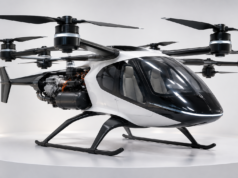
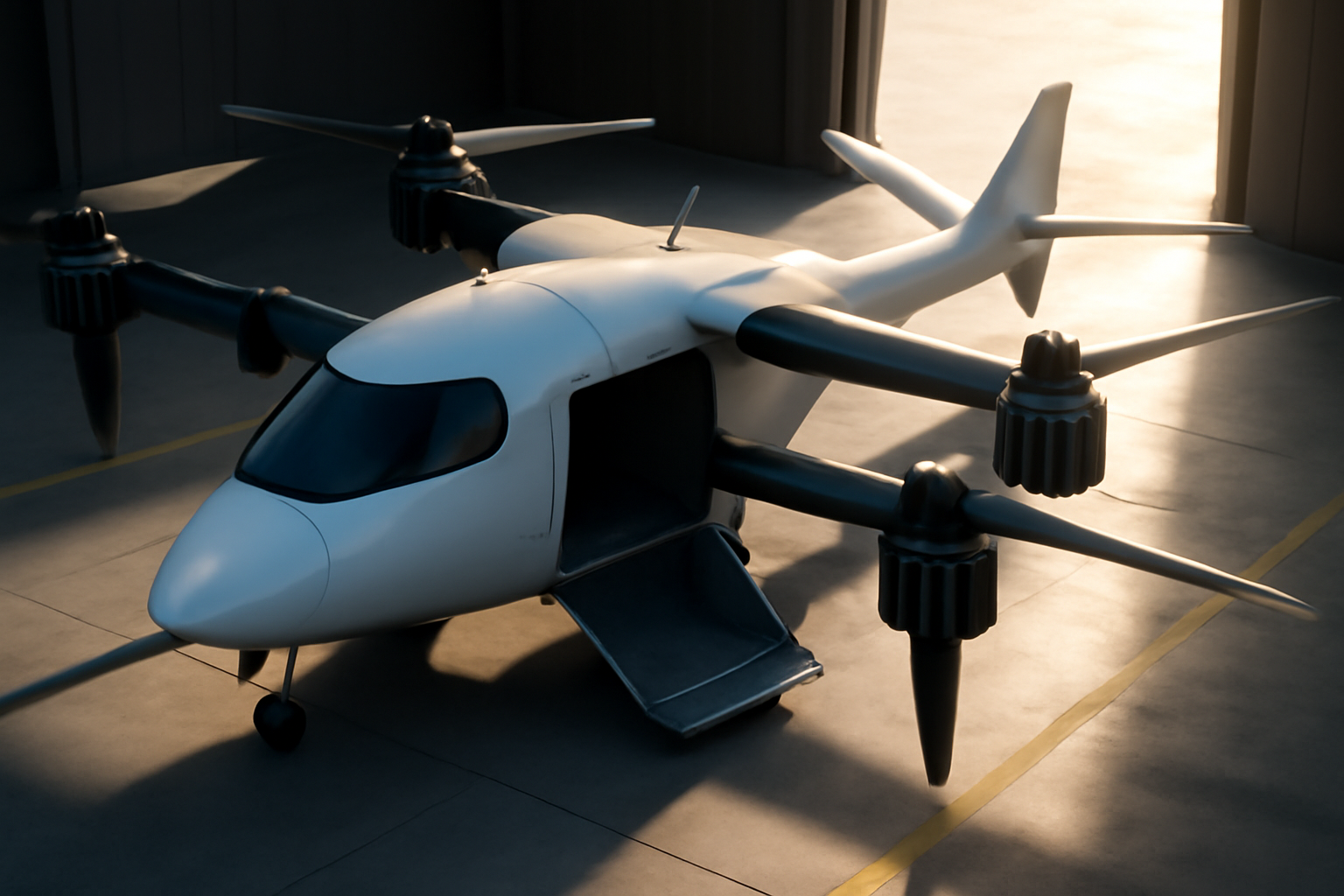
Zuri has officially unveiled its hybrid uncrewed cargo vertical takeoff and landing (VTOL) aircraft, marking a significant milestone in the autonomous logistics sector. This innovative platform represents a major leap forward in bridging the gap between traditional ground-based delivery and fully electric air mobility solutions, demonstrating how hybrid propulsion systems can extend operational range while maintaining the environmental benefits of electrified flight.
Zuri’s Hybrid Cargo VTOL Architecture
The Zuri hybrid uncrewed cargo VTOL combines electric and combustion propulsion systems to optimize performance across different flight phases. During vertical takeoff and landing operations, the electric motors provide clean, quiet operation ideal for urban and suburban environments. Once airborne and in cruise mode, the hybrid powertrain engages to maximize fuel efficiency and extend the aircraft’s operational range significantly beyond what purely electric systems currently offer.
This architectural approach addresses a critical challenge facing the autonomous cargo industry: the need to cover longer distances while maintaining regulatory compliance in noise-sensitive areas. By leveraging electric power for critical phases and hybrid capability for extended range, Zuri has created a platform that offers practical flexibility for diverse logistics operations.
The cargo payload capacity and battery specifications of the aircraft position it as a competitive option for medium-distance freight operations, particularly in regions where infrastructure for charging or fuel-cell technology remains limited. This versatility makes the platform appealing to logistics operators seeking to modernize their fleets without complete infrastructure overhauls.
Market Implications for Autonomous Cargo Delivery
The unveiling of Zuri’s hybrid cargo VTOL comes at a pivotal moment for the autonomous logistics industry. As regulatory frameworks mature and demand for last-mile delivery solutions accelerates globally, operators are increasingly seeking aircraft that balance performance, operational cost, and environmental impact. Hybrid systems address the current technological reality where pure electric aircraft still face range and endurance limitations for many commercial applications.
This platform demonstrates that the path to sustainable air cargo may not be a single-technology solution but rather a pragmatic evolution incorporating multiple propulsion approaches. Logistics companies evaluating autonomous cargo fleets now have an alternative that bridges current technological capabilities with future sustainability goals, making operational decisions less dependent on speculative battery or fuel-cell breakthroughs.
Zuri’s entry into the cargo VTOL market with a hybrid offering signals growing industry recognition that diverse propulsion systems will coexist during the transition period toward fully electric aviation. This heterogeneous approach to air mobility infrastructure development could accelerate the overall adoption timeline for autonomous cargo systems across supply chains worldwide.
Technical Advantages of Hybrid Propulsion for Cargo Operations
Hybrid propulsion systems for cargo aircraft offer compelling technical advantages that address real-world operational constraints. Extended range allows single-aircraft cargo runs that would require battery swaps or intermediate charging with fully electric systems, reducing operational complexity and increasing daily utilization rates. For time-sensitive logistics networks, this capability translates directly into competitive advantage and faster delivery cycles.
The weight-to-power ratio optimization inherent in hybrid systems enables Zuri’s platform to carry commercially meaningful payloads over distances that match regional distribution patterns. Unlike theoretical pure-electric solutions still under development, the hybrid cargo VTOL can enter service immediately with proven propulsion technologies, allowing logistics operators to realize air-cargo benefits today rather than waiting for battery technology maturation.
Maintenance and operational reliability are additional advantages. Hybrid systems combine mature combustion engine diagnostics with proven electric motor technologies, creating a platform with well-understood failure modes and established service protocols. This familiarity reduces training requirements and support infrastructure needs for operators transitioning to autonomous cargo aviation.
Regulatory and Environmental Considerations
While hybrid propulsion extends range and operational flexibility, environmental certification of hybrid cargo VTOL aircraft represents a new regulatory frontier. Aviation authorities worldwide are developing standards for hybrid-electric certification, and Zuri’s platform will likely inform these evolving frameworks. The combination of electric and conventional propulsion requires new safety protocols, emissions measurement methodologies, and operational restrictions tailored to hybrid characteristics.
Environmental impact assessment of hybrid cargo aviation presents a nuanced picture compared to purely electric alternatives. Emissions vary significantly based on flight profile, with near-zero emissions during VTOL phases and reduced-but-present emissions during hybrid cruise operations. This partial environmental benefit aligns cargo operators’ sustainability claims with operational reality, potentially offering more credible marketing narratives than unachievable all-electric promises.
The introduction of hybrid cargo VTOL into commercial aviation also influences carbon accounting standards for logistics companies. Fleet operators will need updated methodologies to accurately report emissions from hybrid aircraft operations, potentially driving standardization across the industry. Zuri’s technological choice thus has cascading implications for corporate sustainability reporting and regulatory compliance across supply chains.
Key Takeaways
- Zuri’s hybrid uncrewed cargo VTOL combines electric vertical takeoff with hybrid-powered cruise, extending range beyond current pure-electric aircraft capabilities for practical logistics operations.
- Hybrid propulsion addresses the current technological gap by enabling immediate commercial deployment while supporting the industry’s long-term transition toward fully electric aviation systems.
- The platform’s introduction signals growing industry consensus that diverse propulsion technologies will coexist during air mobility’s transition period, potentially accelerating broader autonomous cargo adoption timelines.
Zuri’s unveiling of its hybrid uncrewed cargo VTOL represents a pragmatic advancement in autonomous logistics technology, acknowledging current realities while advancing toward sustainable aviation goals. By combining proven propulsion systems with next-generation autonomous capabilities, Zuri has created a platform positioned to capture early market adoption in the rapidly evolving cargo air-mobility sector. As regulatory frameworks stabilize and operational experience accumulates, hybrid systems like this will likely serve as a critical bridge technology, enabling logistics operators to realize air-cargo benefits immediately while the industry collectively progresses toward fully electric solutions. The coming months will reveal whether Zuri’s hybrid approach becomes an industry standard or represents one waypoint in aviation’s broader technological evolution.